Anti-corruption tools that work: the State Customs Service reviews results of anti-corruption efforts
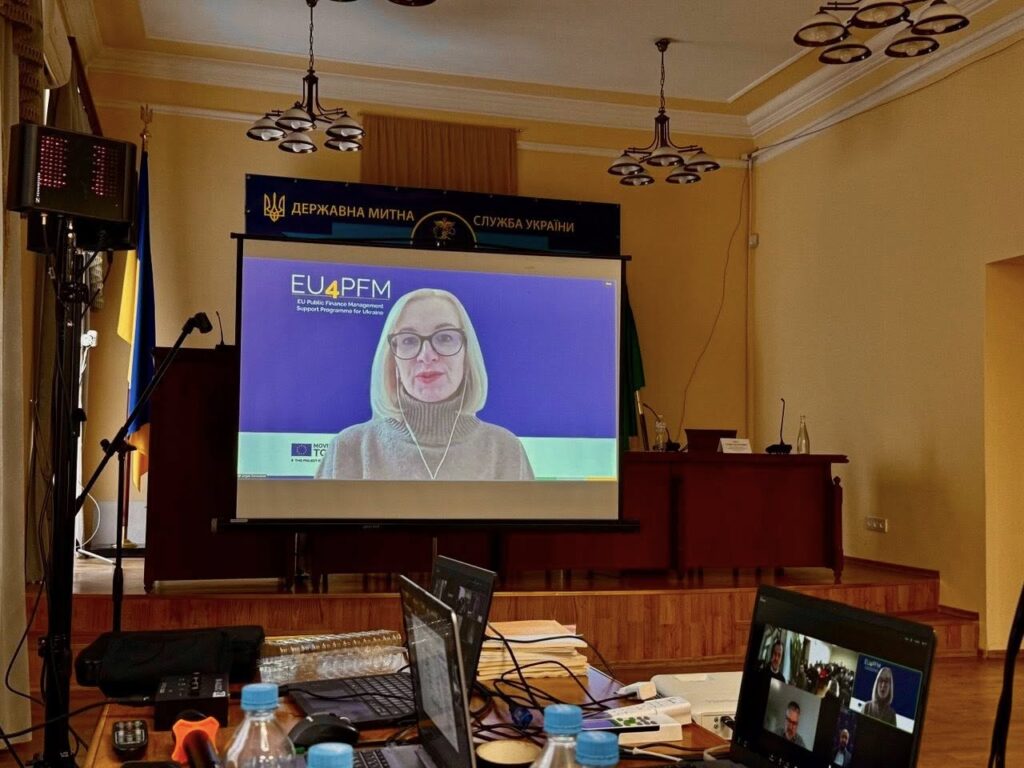
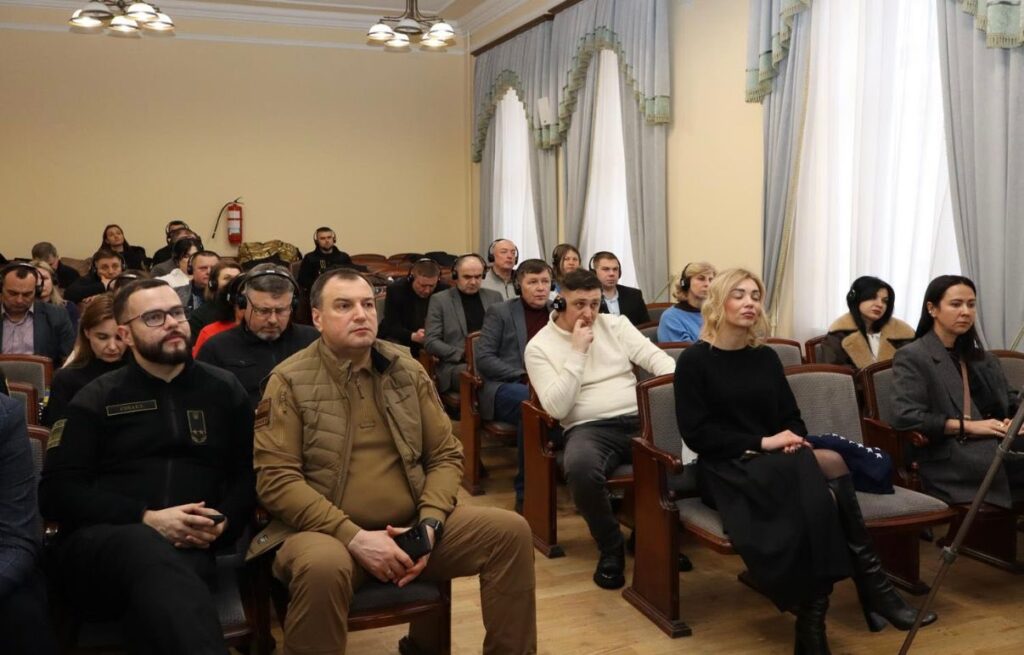
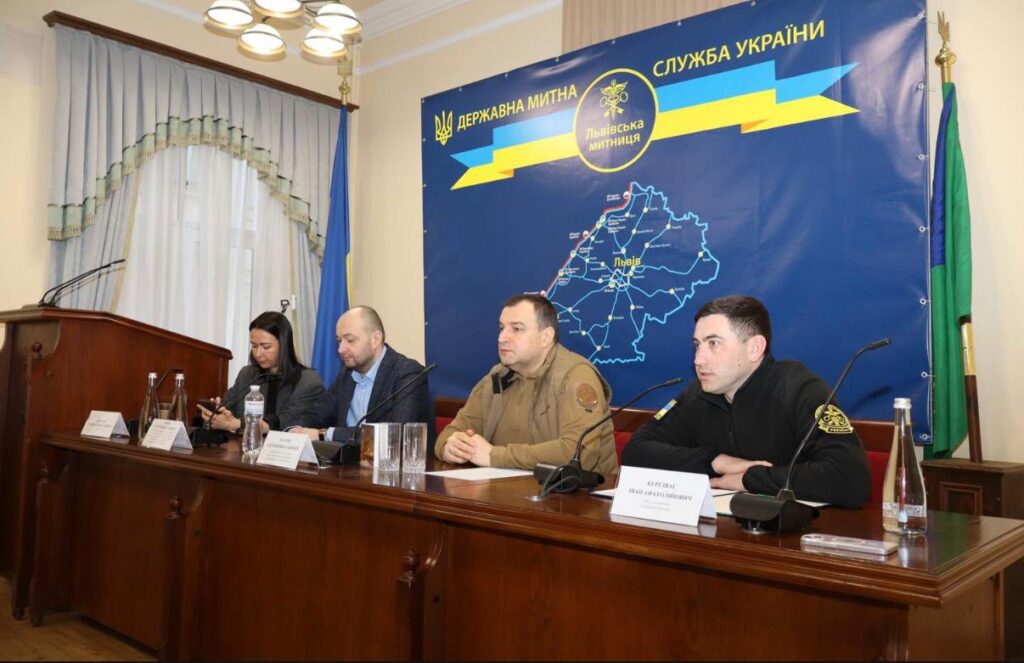
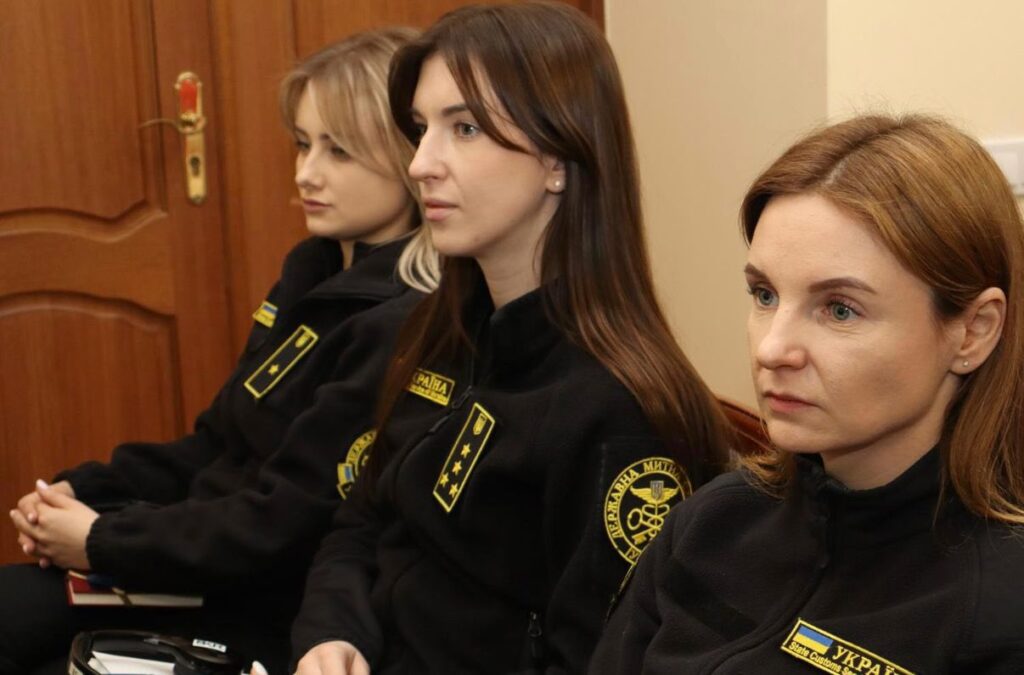
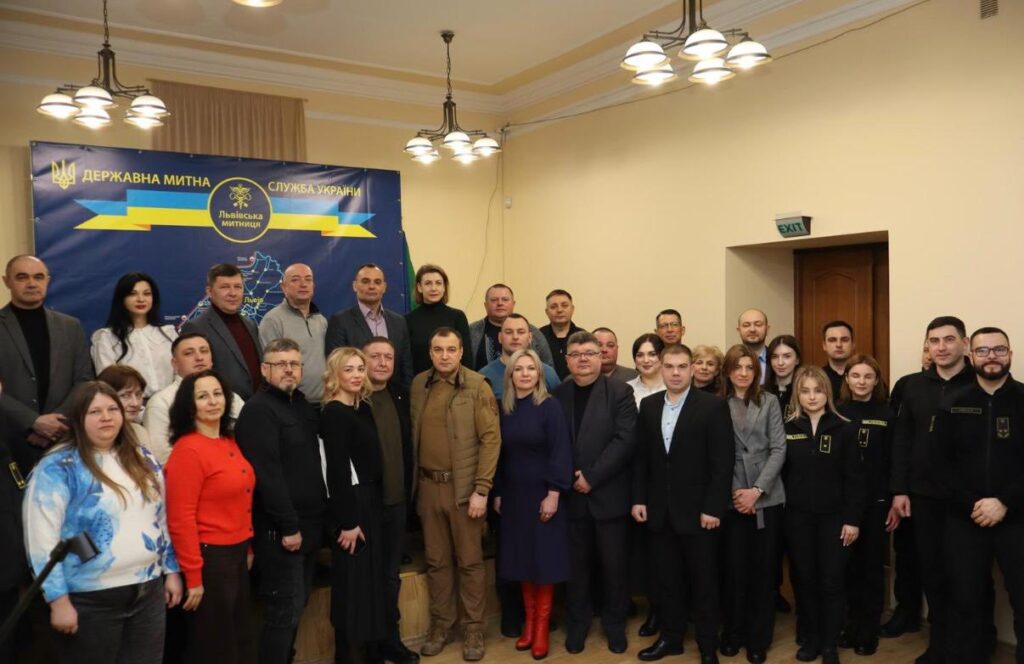
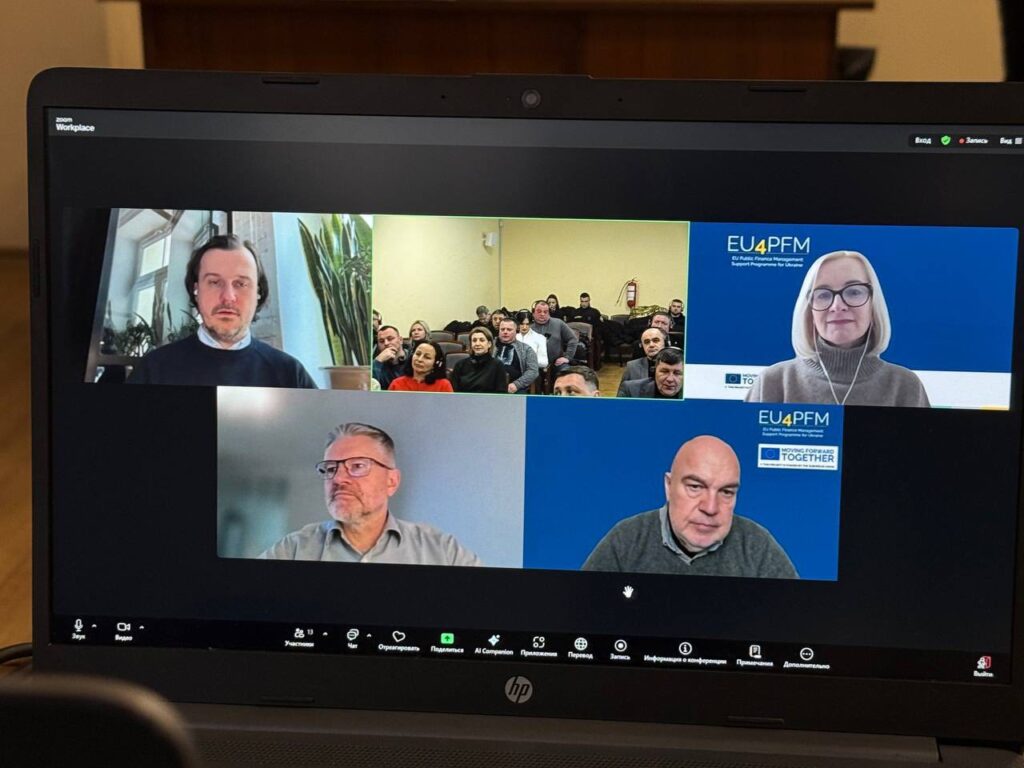
With the participation of international experts from the EU4PFM Programme, which also supported the organisation of the meeting, anti-corruption officers of the State Customs Service of Ukraine today gathered at the Lviv Customs Office to review the results of implementing anti-corruption policies and tools that in 2025 became key to preventing corruption and promoting a culture of integrity.
Among the priority areas, representatives of the State Customs Service highlighted the development of human resource management, stronger communication with civil society, a systemic approach to preventing corrupt practices, the expansion of the whistleblowing framework, and deeper partnerships with international stakeholders.
“We remain focused on prevention and on building a culture of integrity by creating conditions that minimise opportunities for corruption, both for customs officers and for citizens. This approach does not exclude control mechanisms, on the contrary, it ensures a balance between accountability and trust,” said Serhii Kaliuk, Head of the Anti-Corruption Unit of the State Customs Service.
The effectiveness of this approach is confirmed by the results of the annual survey Customs Integrity Perception Survey – CIPS. In particular, 59% of respondents stated that they are aware of the mechanisms for contacting the State Customs Service to obtain clarifications and submit relevant reports, indicating increased awareness and trust in institutional tools.
An important contribution to these results came from combining best practices of foreign customs administrations, expert support provided throughout the year by the EU4PFM Programme, and due consideration of the Ukrainian context. This synergy enabled the State Customs Service to make a tangible step forward in building a systemic and sustainable anti-corruption infrastructure.
In her opening remarks, EU4PFM Programme Team Leader Jurgita Domeikienė emphasised:
“Over the past year, we have placed a strong focus on cooperation and communication. Therefore, the quantitative and qualitative performance indicators of the State Customs Service’s anti-corruption units are the result of joint efforts. We are pleased to be part of these achievements, but at the same time it is important to already think about future challenges. In particular, the adoption of a new Customs Code of Ukraine will significantly change approaches to customs operations, so it is necessary to plan the next steps in corruption prevention in advance.”
Among the priorities for the next period are legislative changes, including finalising and approving the State Customs Service Anti-Corruption Strategy for 2026–2028, strengthening internal communication on corruption prevention and ethics, and implementing the provisions of the new Customs Code of Ukraine, which provide for the application of lifestyle monitoring tools and integrity checks.