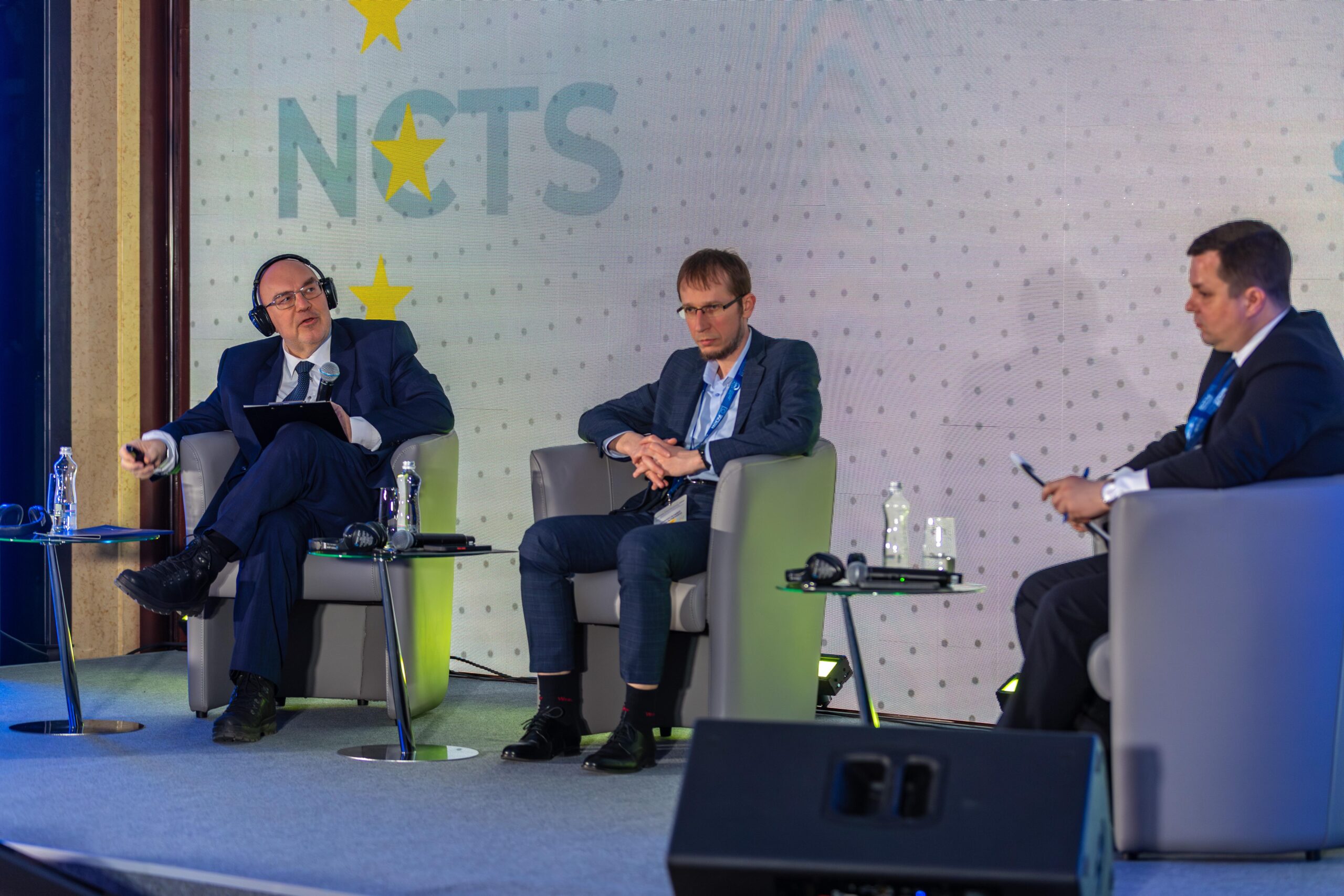
Driving simplifications, meeting EU Standards, strengthening dialogue: Customs Platform 2026 concludes
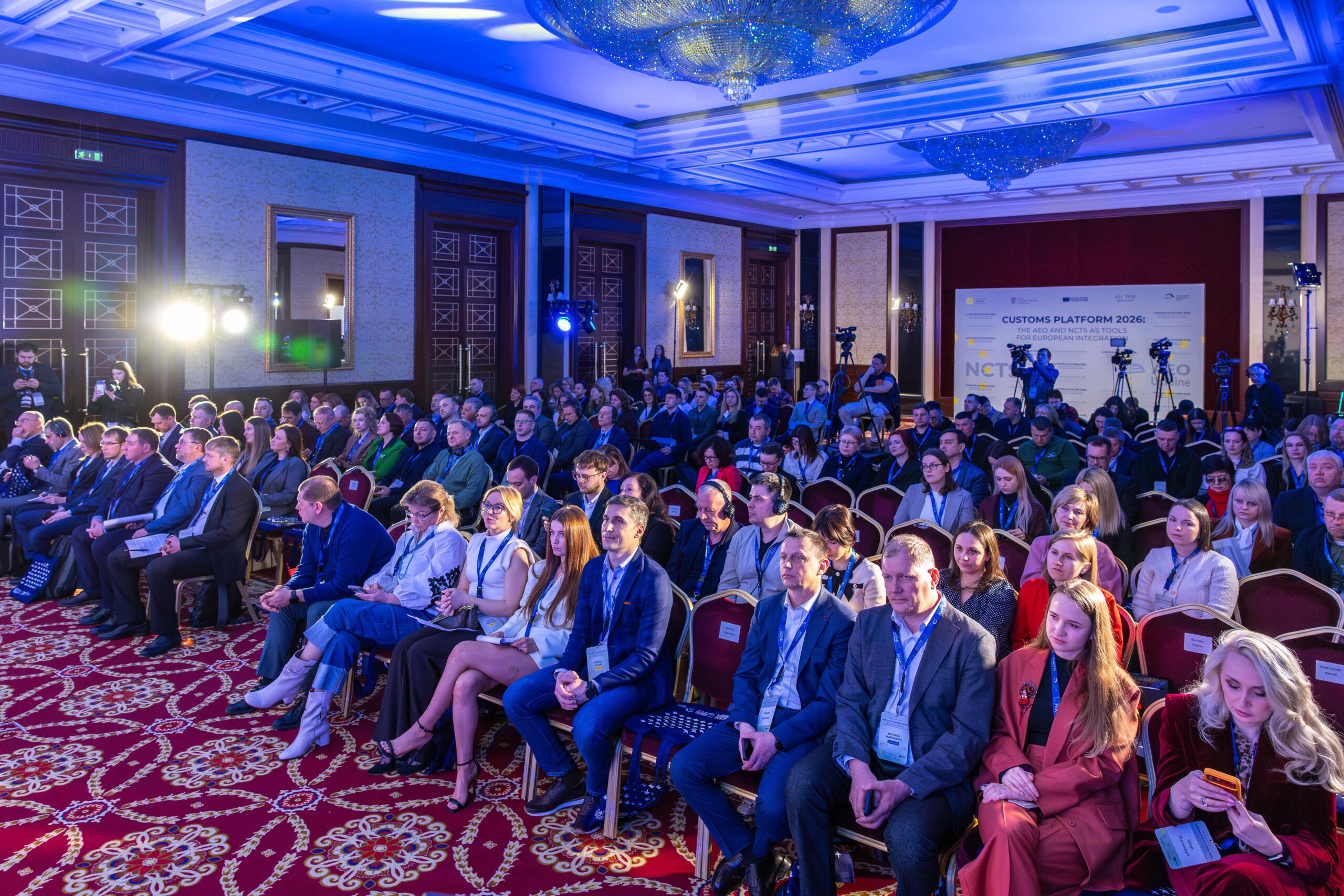
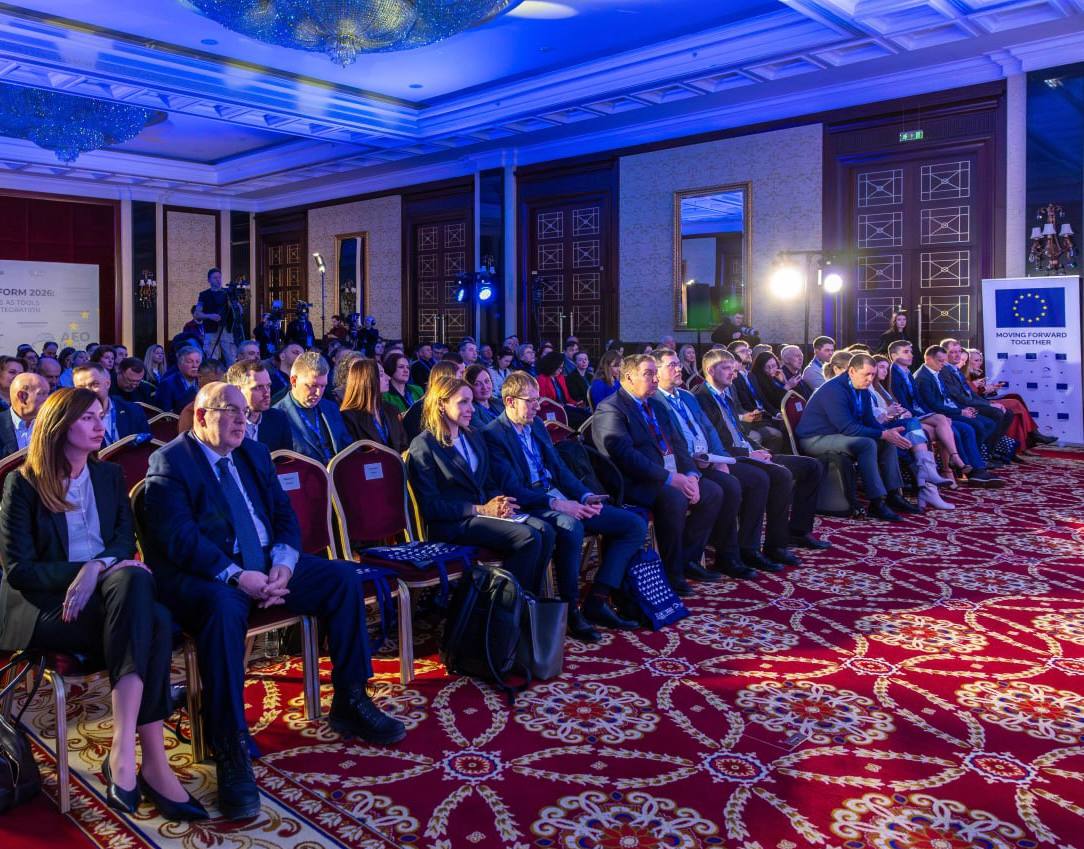
Today marked the conclusion the “Customs Platform 2026: Authorised Economic Operator and NCTS as Tools of European Integration”, which brought together representatives of businesses, the Government, and international partners to exchange experience in the practical application of customs instruments for European integration and to discuss the potential for further development of Ukraine’s legislative and technical customs framework.
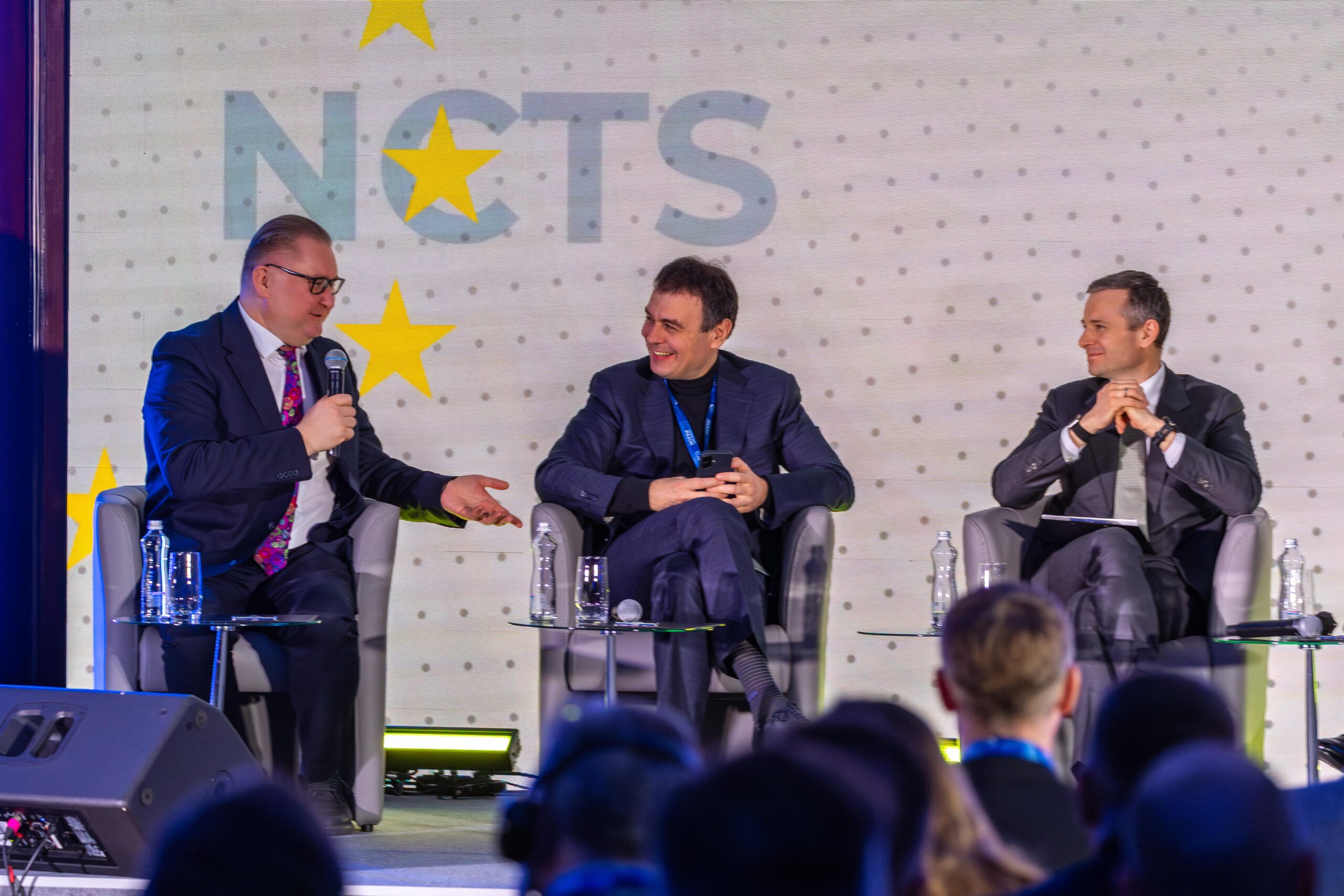
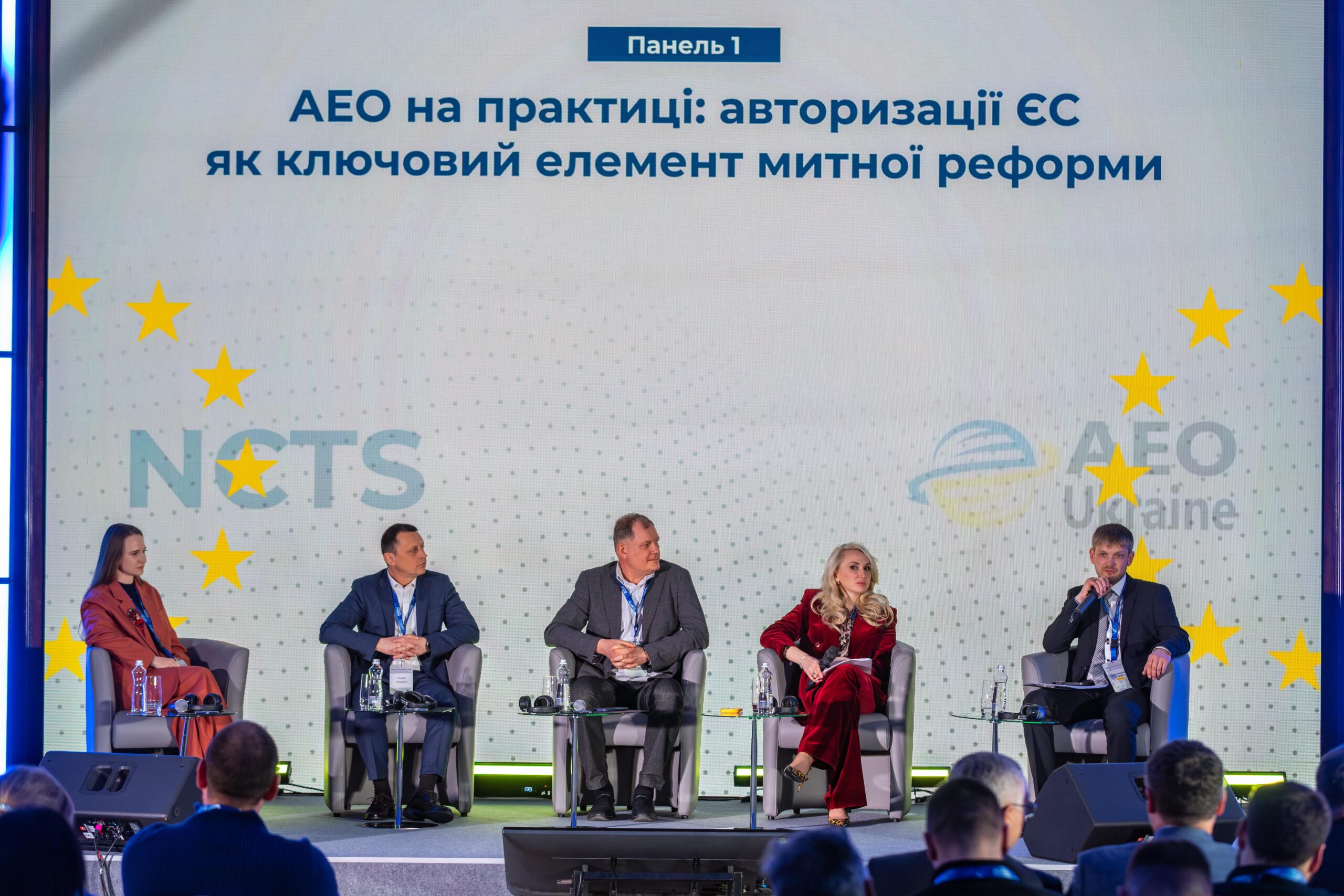
The event featured dedicated panel discussions on each key area — the Authorised Economic Operator (AEO), the New Computerised Transit System (NCTS), and the draft new Customs Code of Ukraine. Each of these reforms reflects the coordinated efforts of stakeholders at different levels, including national authorities, the European Union, and the business community.
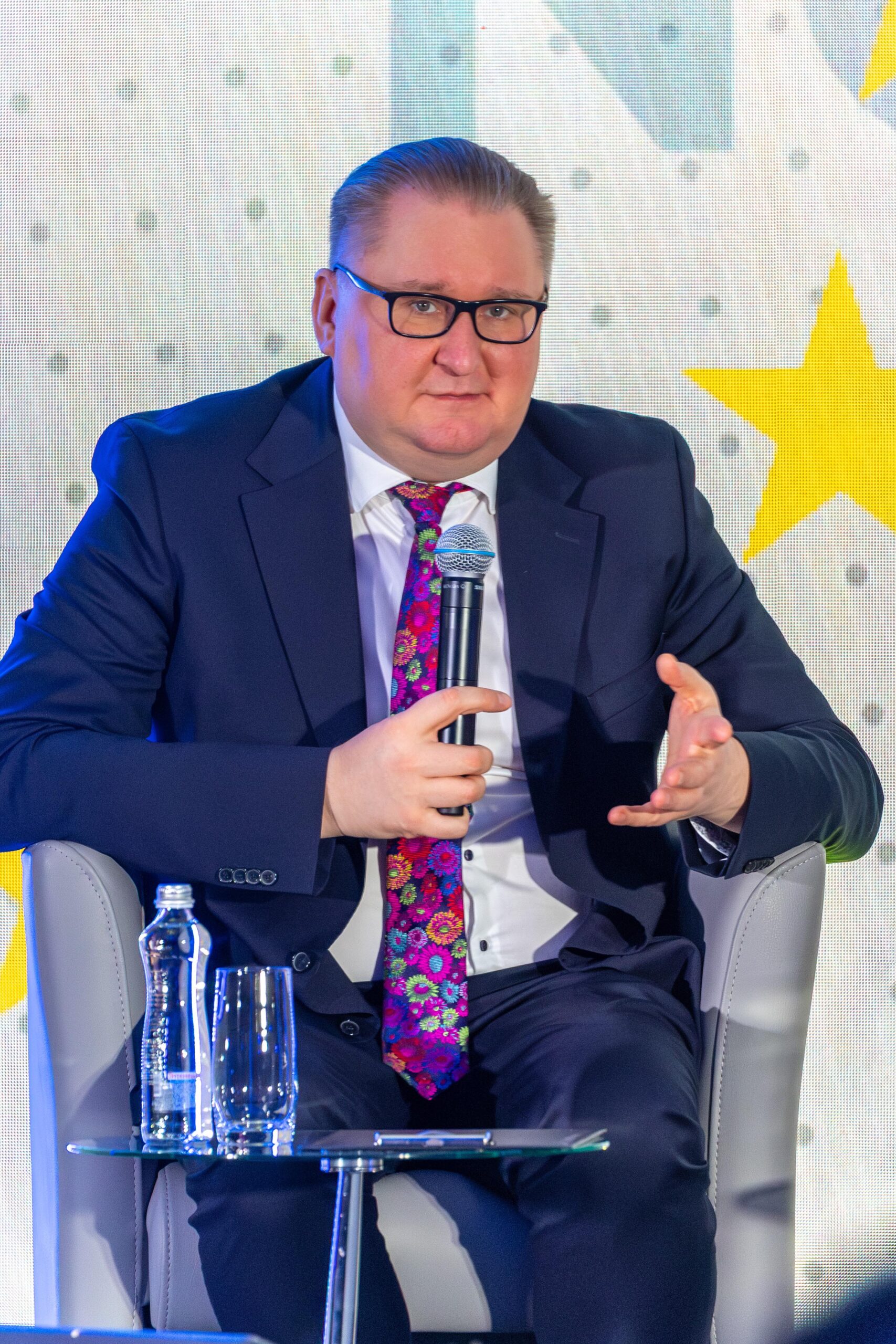
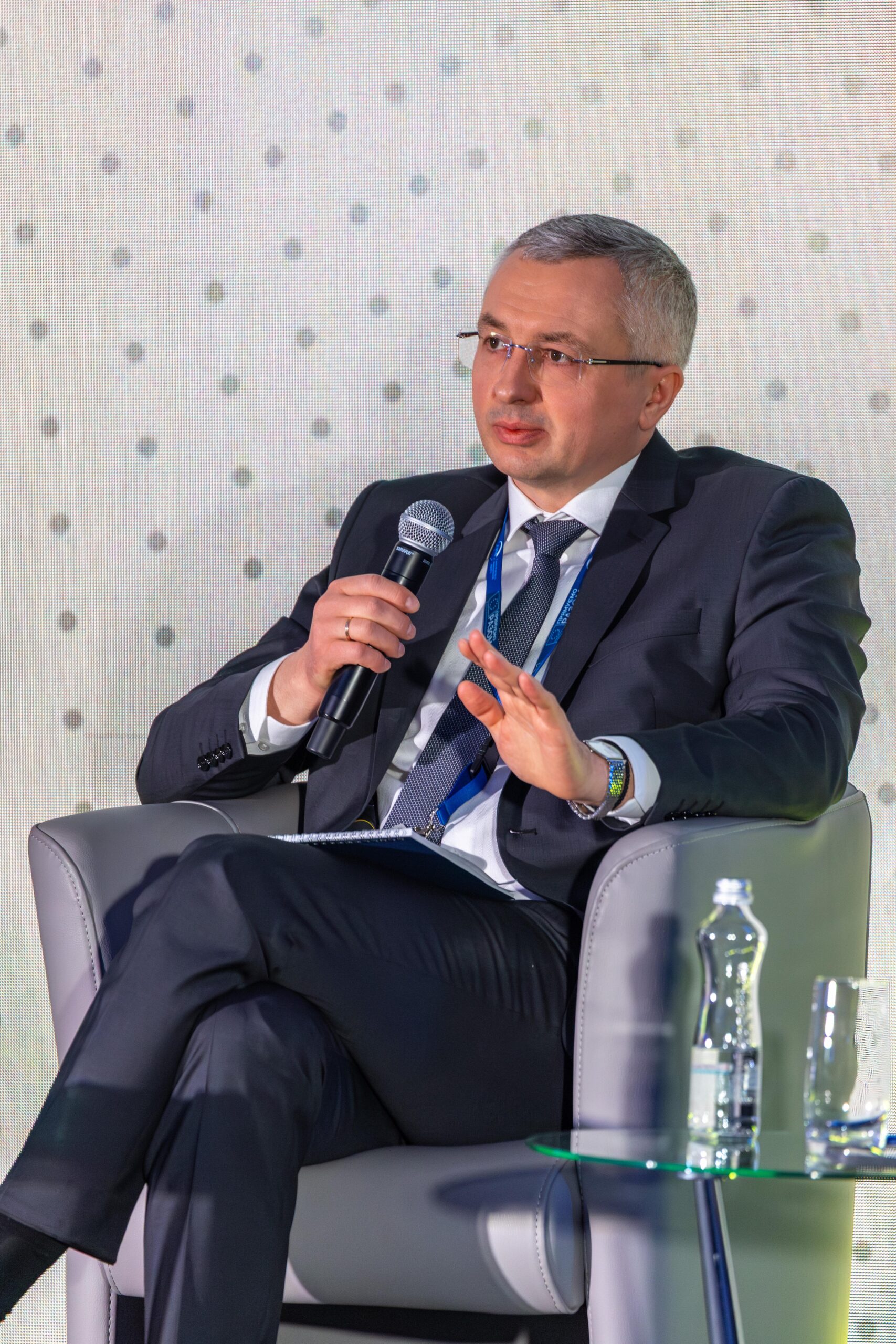
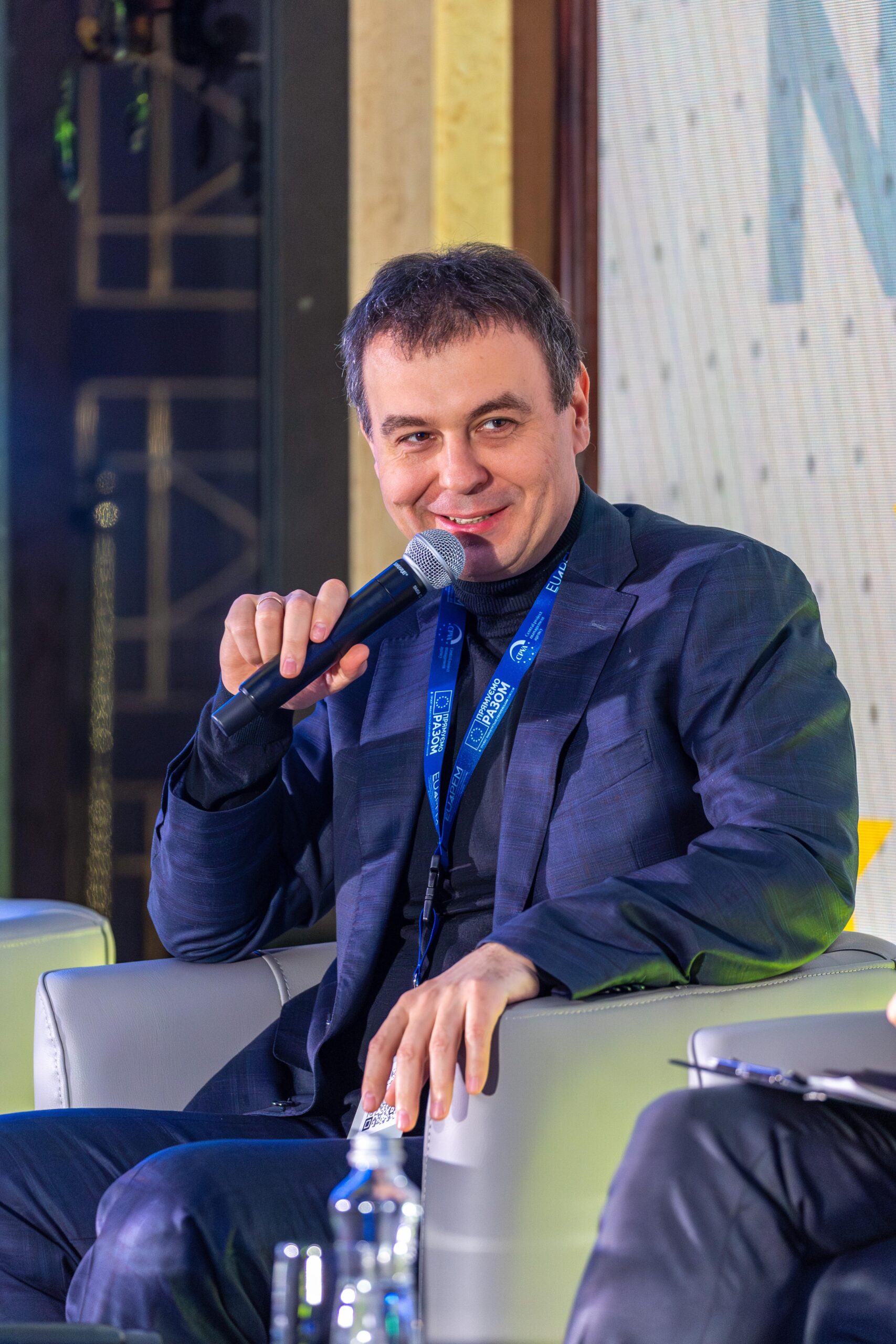
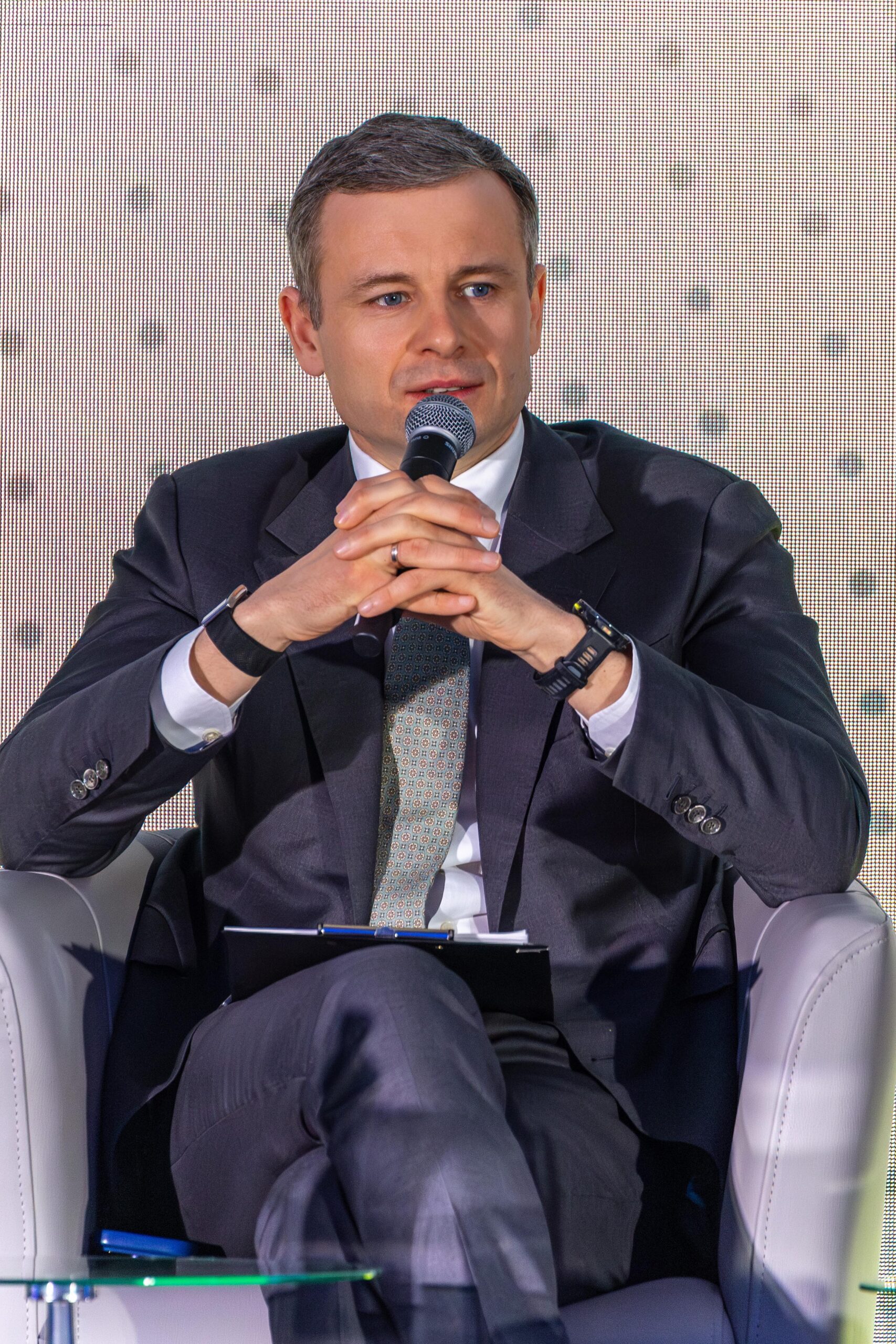
Among the speakers who highlighted the progress of Ukraine’s customs reform along the European integration path were Deputy Prime Minister for European and Euro-Atlantic Integration of Ukraine Taras Kachka, Chairman of the Verkhovna Rada Committee on Finance, Taxation and Customs Policy Danylo Hetmantsev, Minister of Finance of Ukraine Serhii Marchenko, and Acting Head of the State Customs Service Serhii Zviahintsev. The European Commission was represented by Director for Customs at the Directorate-General for Taxation and Customs Union (DG TAXUD), Matthias Petschke.
“For the third consecutive year, the European Commission has highly assessed the pace of our reforms. This is the result of systematic work on legislative approximation and the development of a digital customs system compatible with EU systems. We are creating conditions that will allow Ukrainian businesses to fully benefit from the advantages of the EU Single Market,” said Serhii Marchenko.
Matthias Petschke added: “Cooperation between the European Commission and Ukraine in the customs field is not only about monitoring reforms, but also about close partnership. The new Customs Code is a cornerstone of integration. We highly appreciate the engagement of the Ukrainian side in its development despite the war. However, for its full implementation, IT systems developed in line with DG TAXUD recommendations are critically important. We will continue to support legislative development, IT systems, and institutional capacity building in line with EU standards.”
During the high-level strategic session, Danylo Hetmantsev noted:
“Parliament has already adopted 11 EU integration laws, and the Customs Code is the key large-scale step that remains. We will not delay its adoption, but the document is extensive and requires a well-balanced approach that takes into account the interests of business, society, the state, and European partners.
At the same time, the main challenges are the implementation of European procedures, adaptation to new terminology and the case law of the Court of Justice of the European Union, as well as the factor of war and the related uncertainty.”
The international community continues to closely monitor and support Ukraine throughout this process. Vytenis Ališauskas, EU4PFM Key International customs expert who has been working with Ukrainian customs authorities in recent years to share international experience, explained:
“The new Customs Code is only the first step. It should be followed by secondary legislation, and the third step must be the implementation of the corresponding IT infrastructure. For example, the experience gained from NCTS should be extended to the development of IT systems aligned with European requirements, based on legislation harmonised with the EU Customs Code.”
While the legislative framework is nearly complete, technical preparedness remains an open issue.
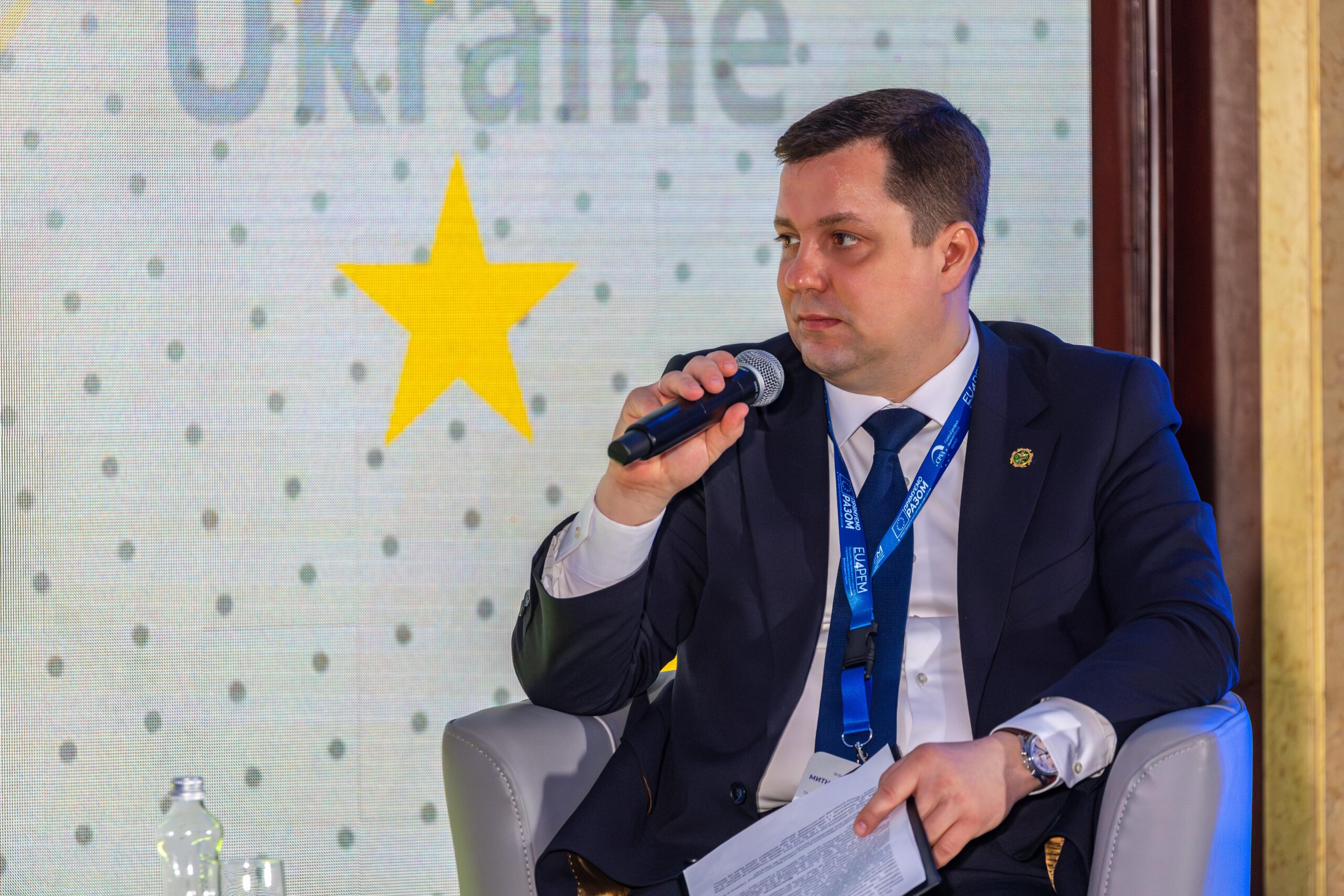
Acting Head of the State Customs Service of Ukraine Serhii Zviahintsev emphasised that businesses are already actively benefiting from AEO and NCTS simplifications, making their further development a direct response to business needs:
“Since the launch of NCTS, customs authorities have processed nearly 290,000 transit declarations, half of them in the past year alone. At the same time, 117 companies have obtained AEO status, including 5 AEO-S (security and safety). These are strong results given the external challenges affecting businesses.”
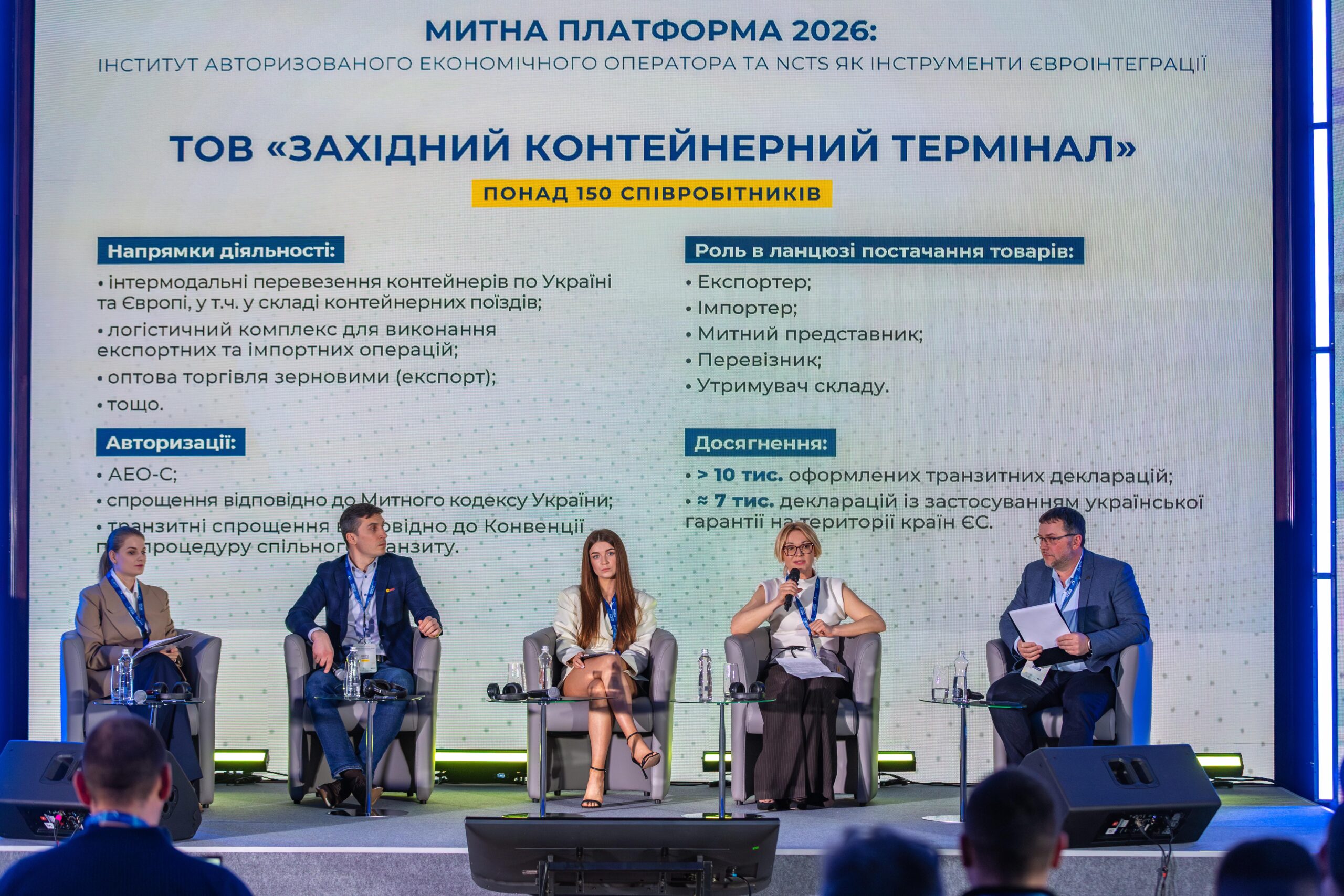
During the practical panels, businesses shared their first-hand experience in obtaining AEO status and applying simplifications. These benefits translate into a new level of partnership with the state. Strong business interest, driven by reduced resource costs for customs control, reflects the core objective of a service-oriented approach.
The Customs Platform serves as a professional discussion forum bringing together public authorities, businesses, and international partners to address key issues of customs policy development and Ukraine’s integration into the EU customs area. The first Customs Platform took place in 2022 and focused on the launch of the “customs visa-free regime” (NCTS) for businesses in Ukraine.
The Customs Platform 2026 was organised by the State Customs Service of Ukraine and the EU Public Finance Management Support Programme (EU4PFM), in cooperation with the Ministry of Finance of Ukraine.