EU4PFM and partners review progress on external audit and parliamentary oversight
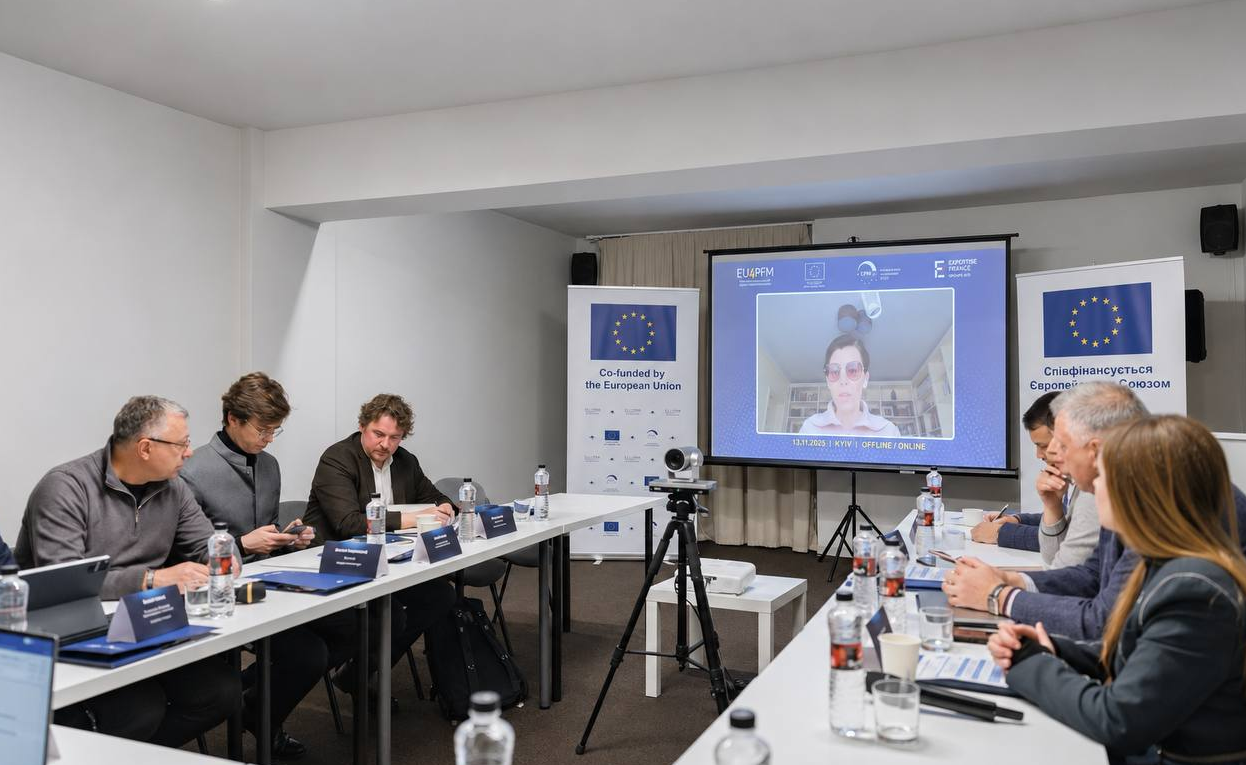
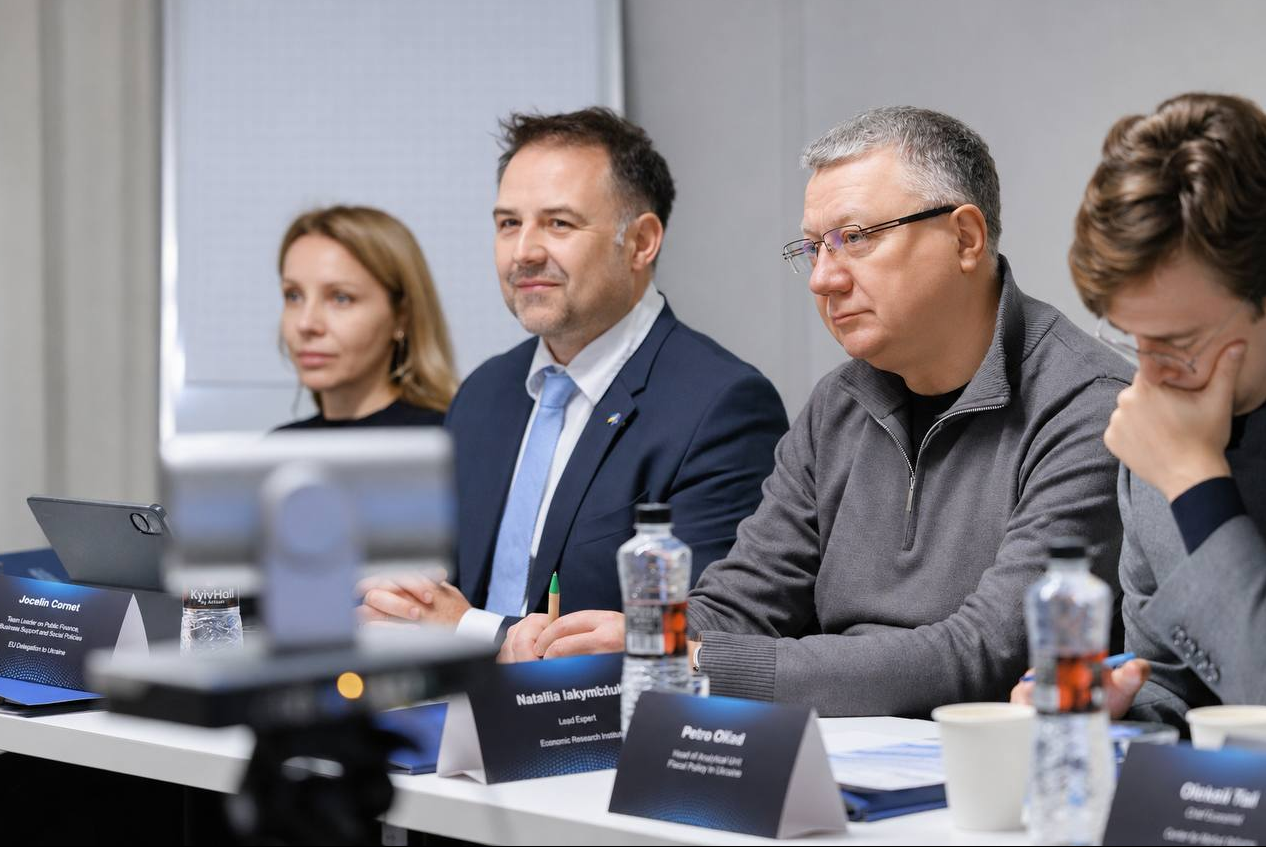
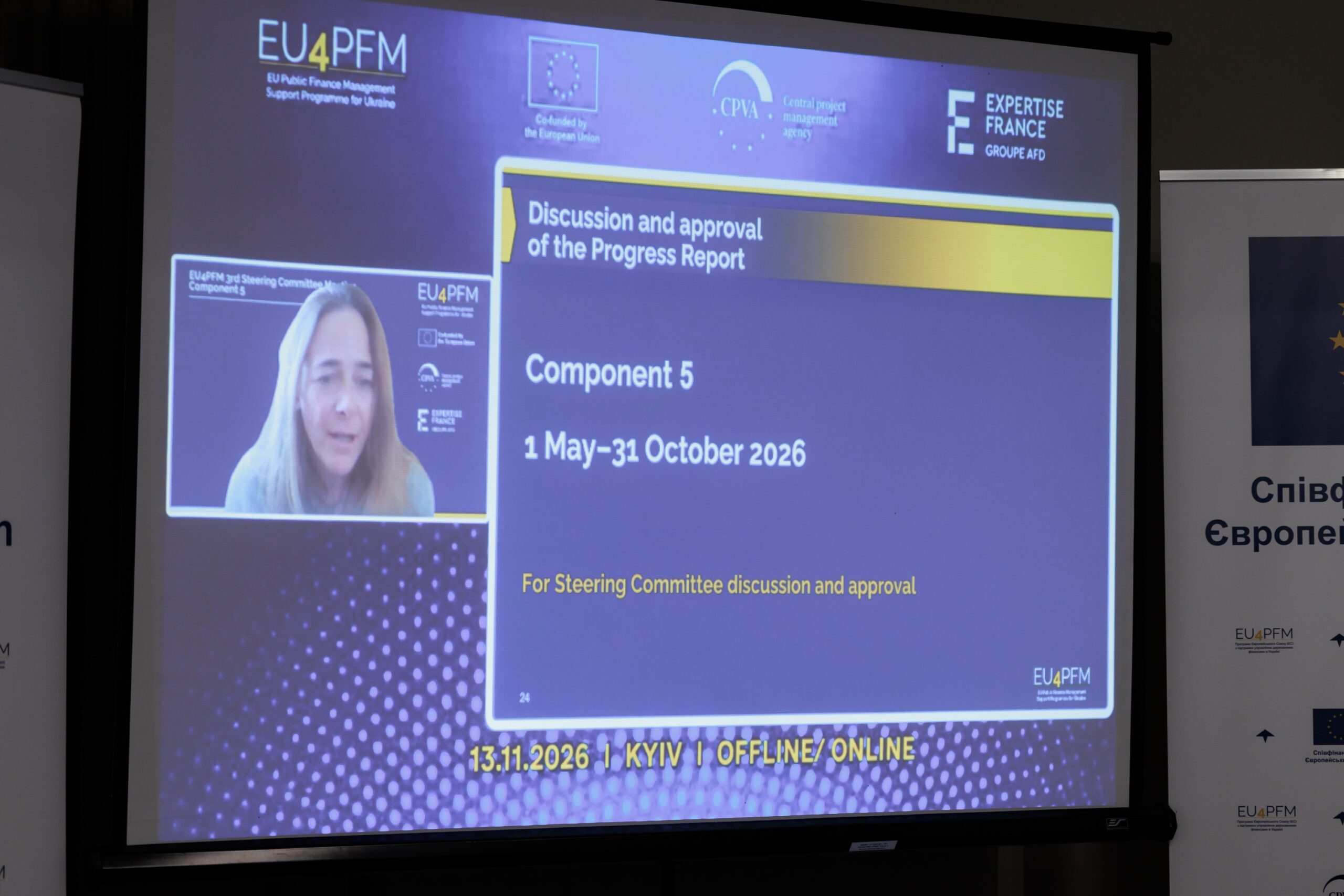
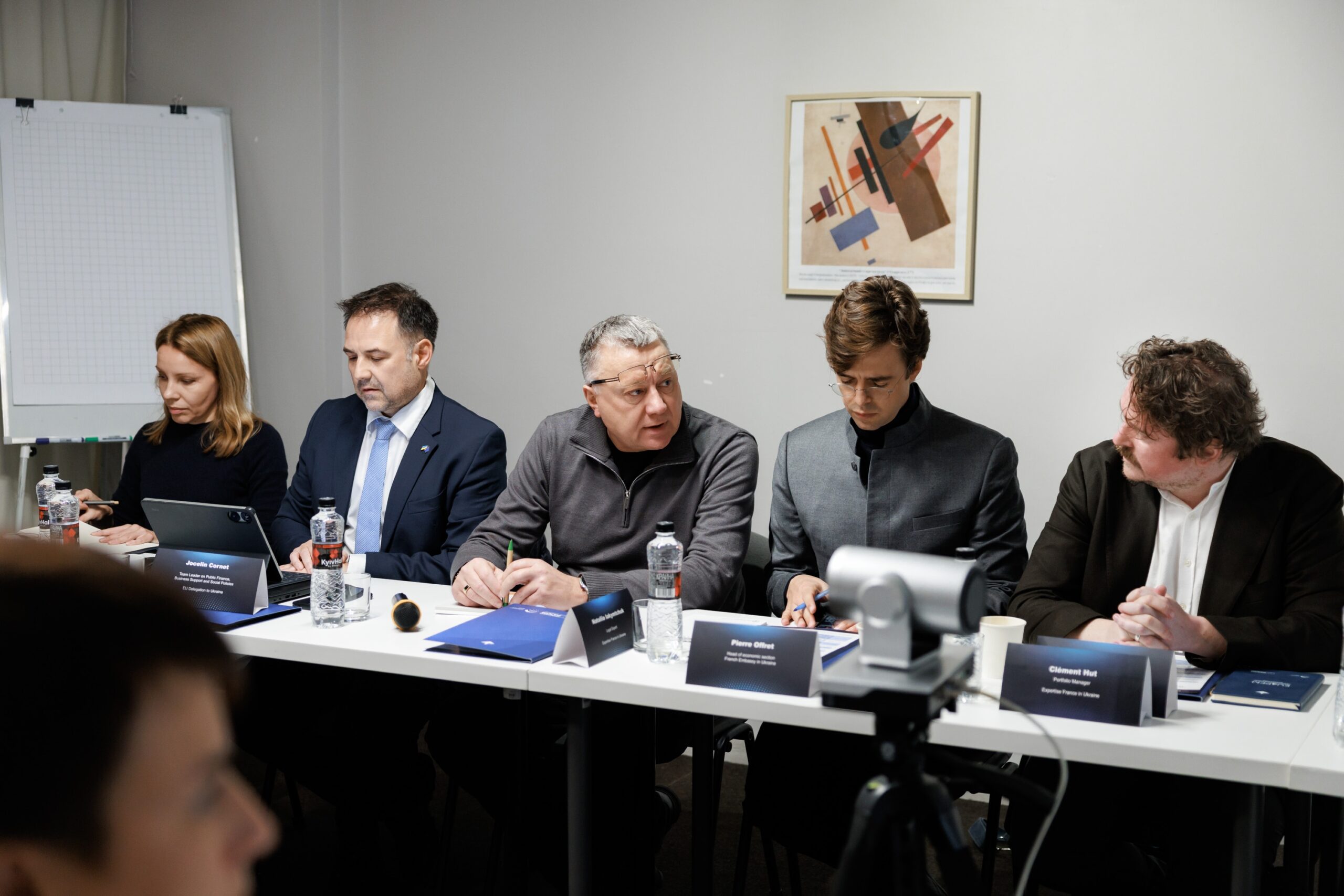
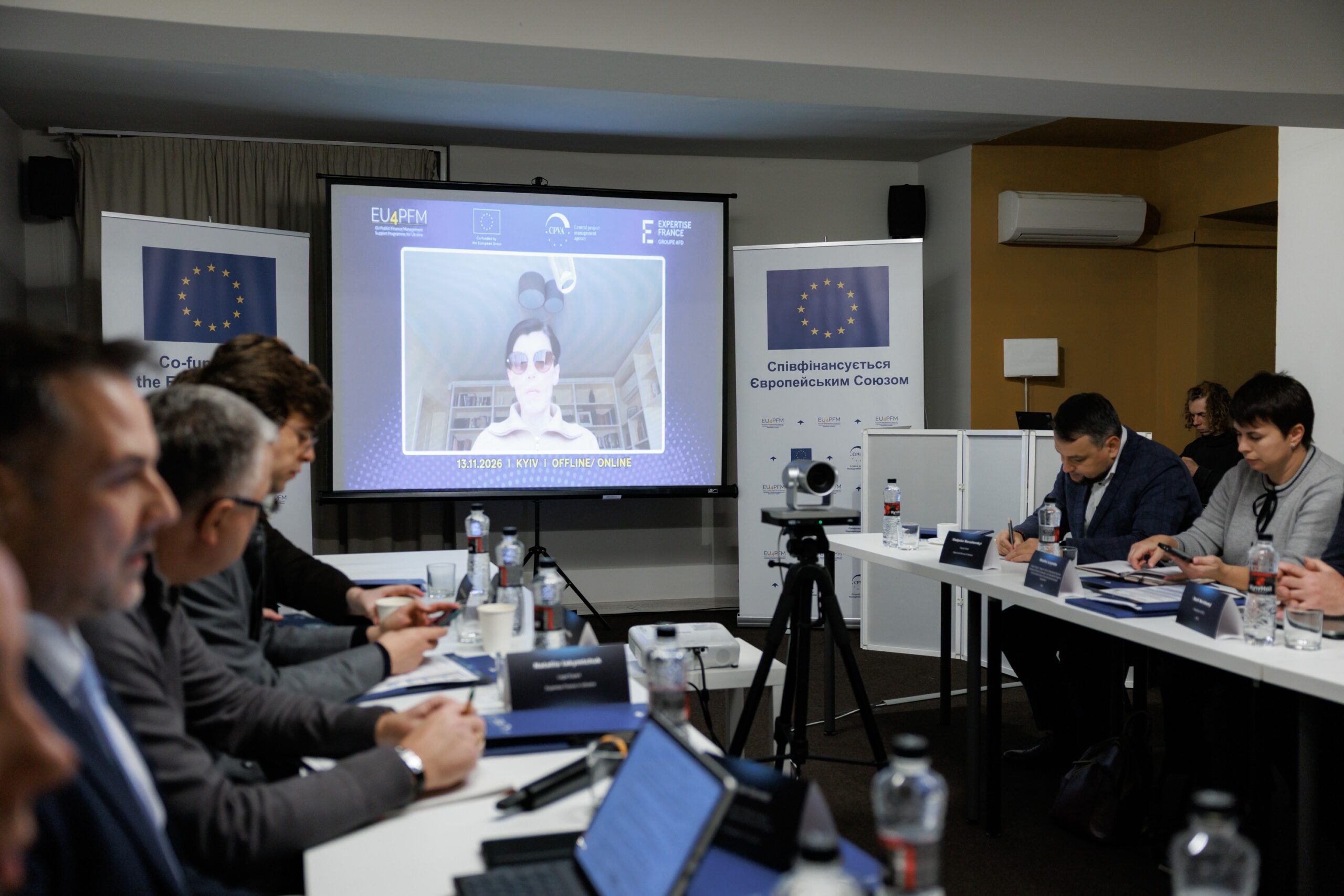
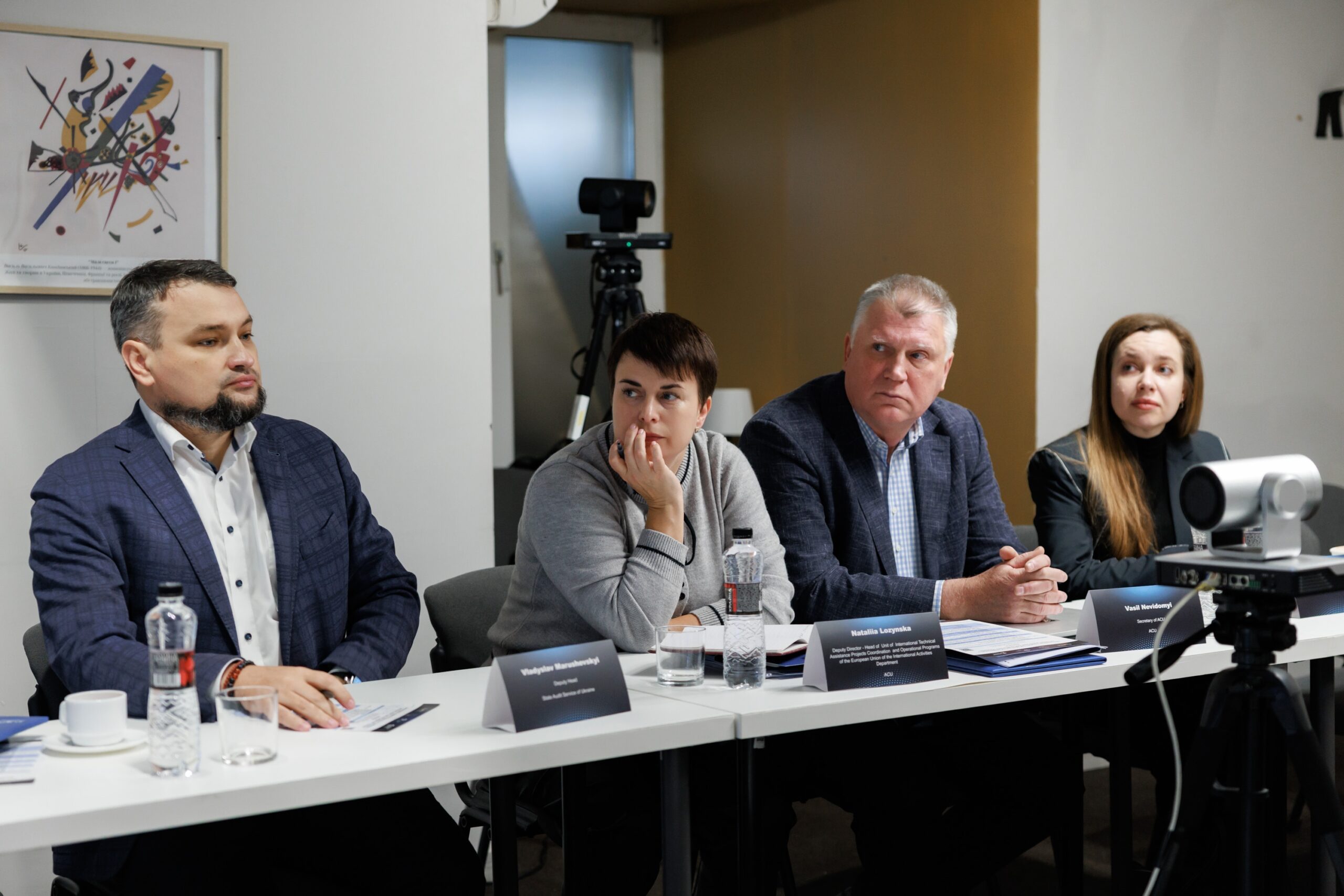
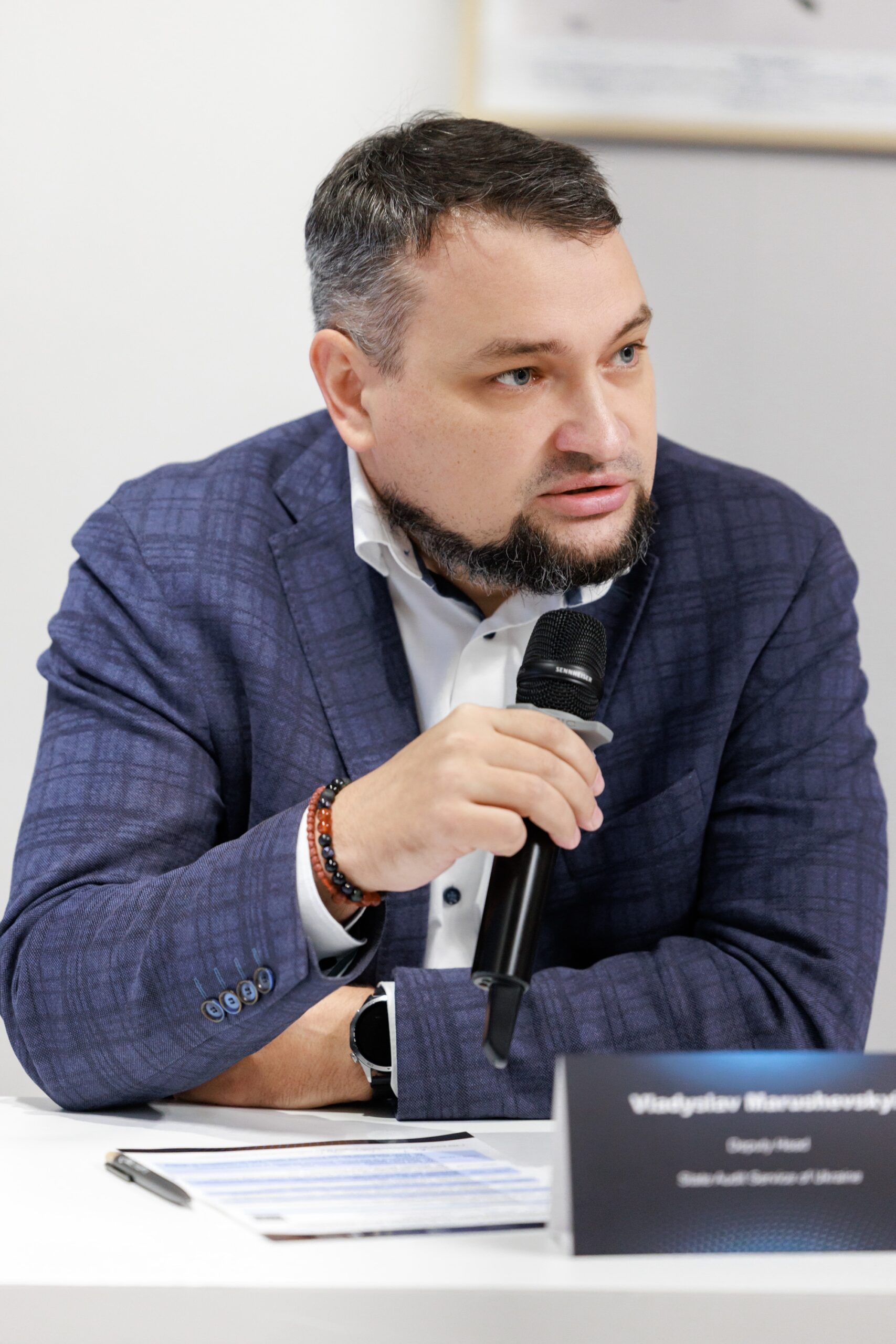
On 13 November, the EU Public Finance Management Support Programme for Ukraine (EU4PFM) held the third Steering Committee meeting of Component 5 “External audit and parliamentary oversight”. Representatives of the Accounting Chamber of Ukraine, the State Audit Service of Ukraine, the Delegation of the European Union to Ukraine, the Central Project Management Agency and Expertise France, together with the EU4PFM team, reviewed progress from May to October 2026 and discussed priorities for November 2026–April 2027.
At the meeting, Olha Pishchanska, Chairwoman of the Accounting Chamber of Ukraine, highlighted the progress made under the Chamber’s expanded mandate, including the first financial audits of local communities by its territorial offices. She also outlined how cooperation with EU4PFM is helping the Chamber strengthen its audit practice as it takes on these new responsibilities.
“ With EU4PFM support, our teams are applying international standards across financial, compliance and performance audits. That means gathering better evidence, drawing stronger conclusions and assessing whether public spending delivers results in areas such as school transport, regional development and water infrastructure. Our focus now is to make these methods part of everyday practice across the Accounting Chamber, follow up more closely on how public institutions act on our recommendations,” said Olha Pishchanska.
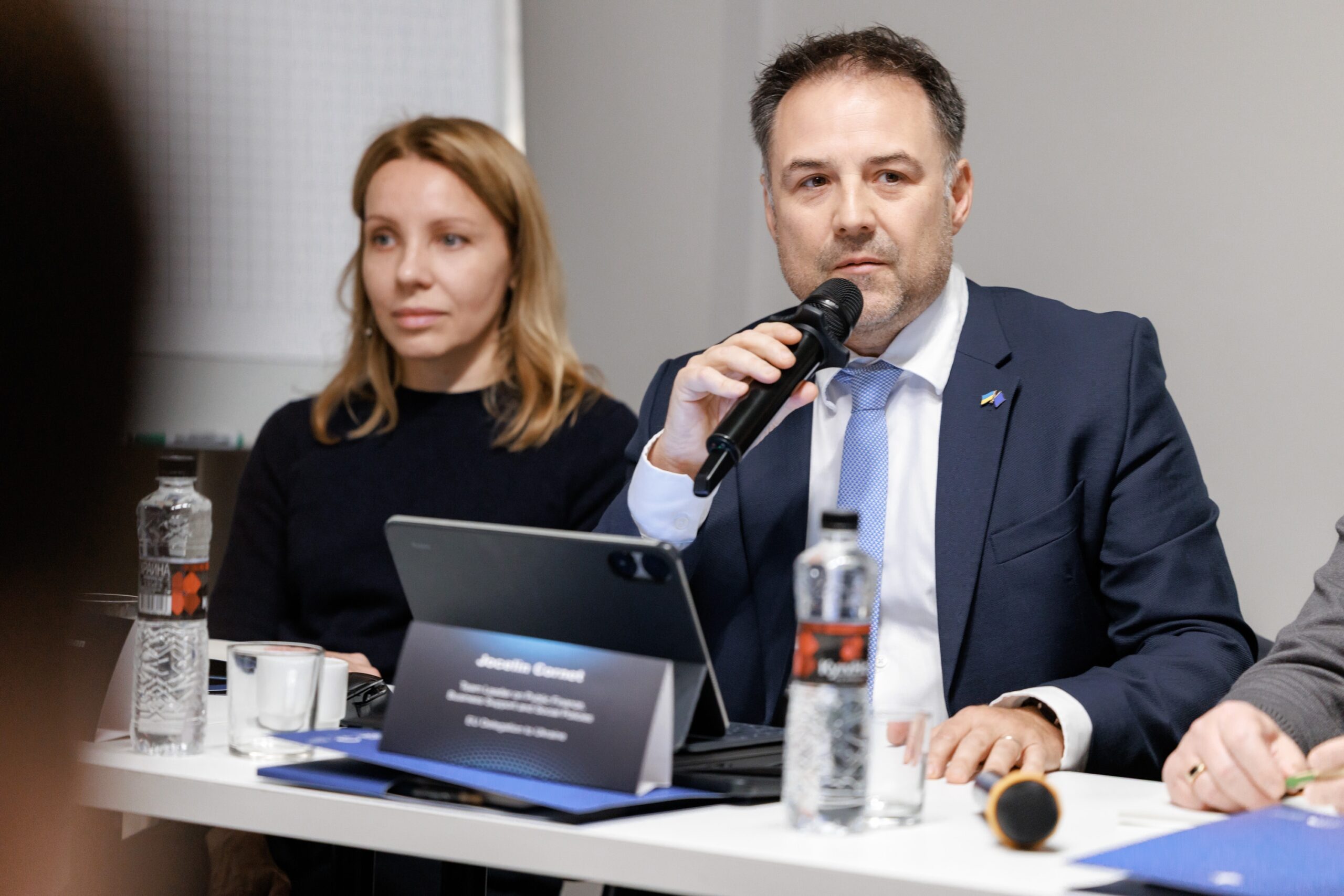
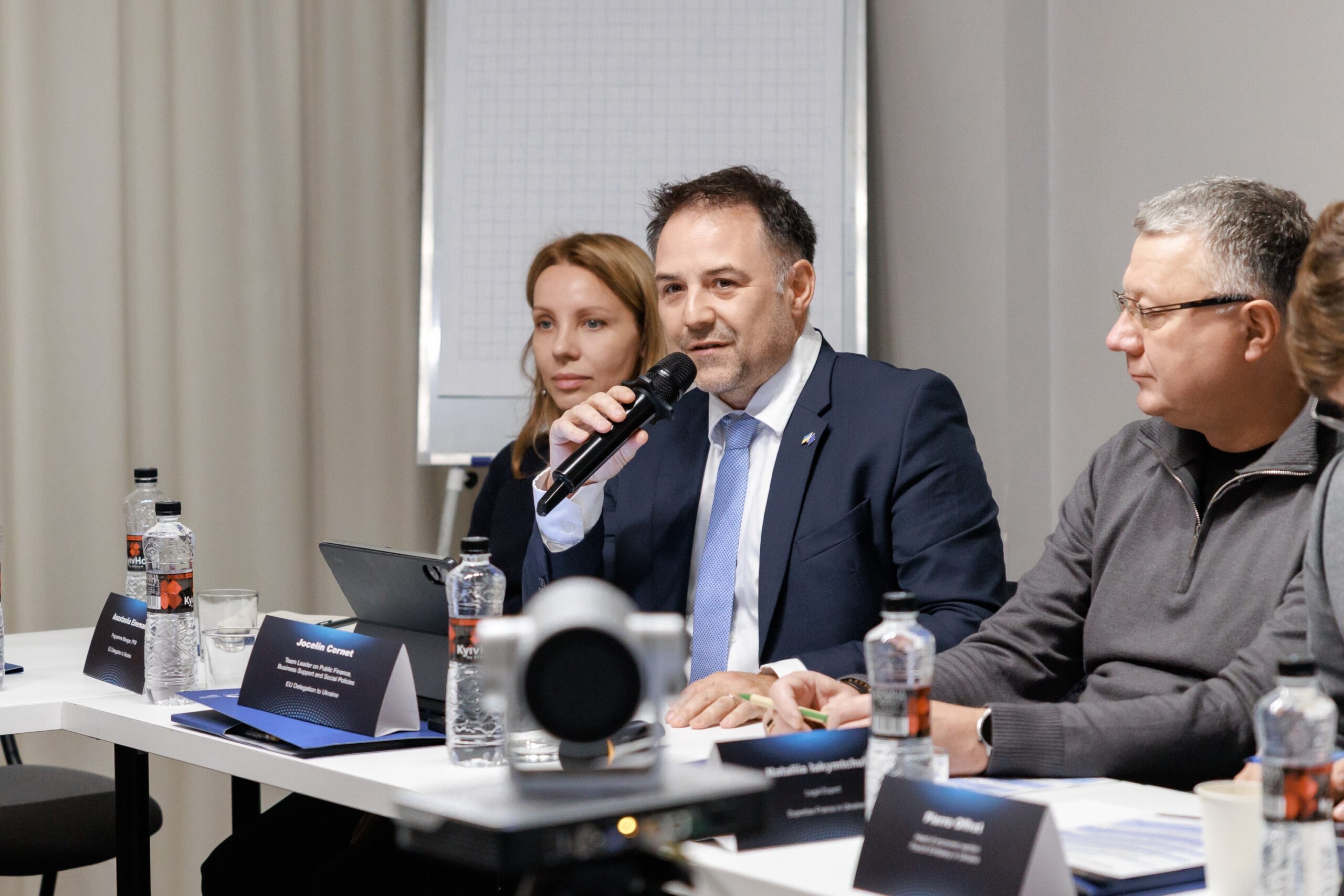
Jocelin Cornet, Head of Section for Public Finance, Business Support and Social Policies at the EU Delegation to Ukraine, set out the EU’s priorities for the next phase of support to Ukraine’s audit and financial control institutions. He placed the discussion in the wider context of Ukraine’s recovery and preparations for EU membership.
“The European Commission’s Enlargement Report recognises that the Accounting Chamber is putting its expanded mandate into practice, from complex consolidated financial audits to audits of local communities. Sustaining that progress means investing in in-house trainers, audit methodology and quality management, while strengthening the State Audit Service’s role in anti-fraud coordination. As more projects under the Ukraine Facility move into implementation, EU4PFM and other EU programmes can work together to give both institutions the technical expertise they need. That cooperation can help auditors focus on the areas of greatest risk and apply their professional judgement to increasingly complex public investments.”
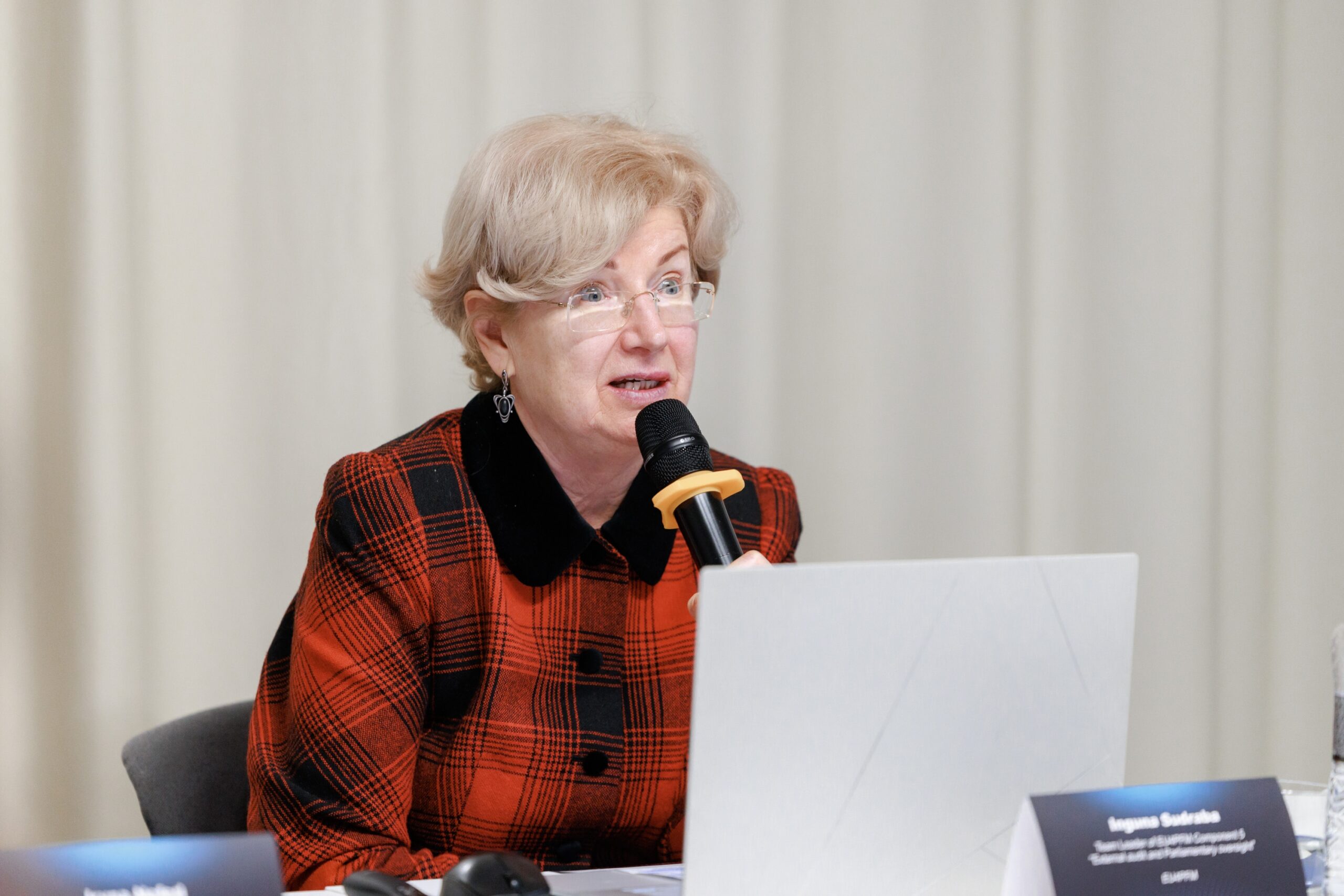
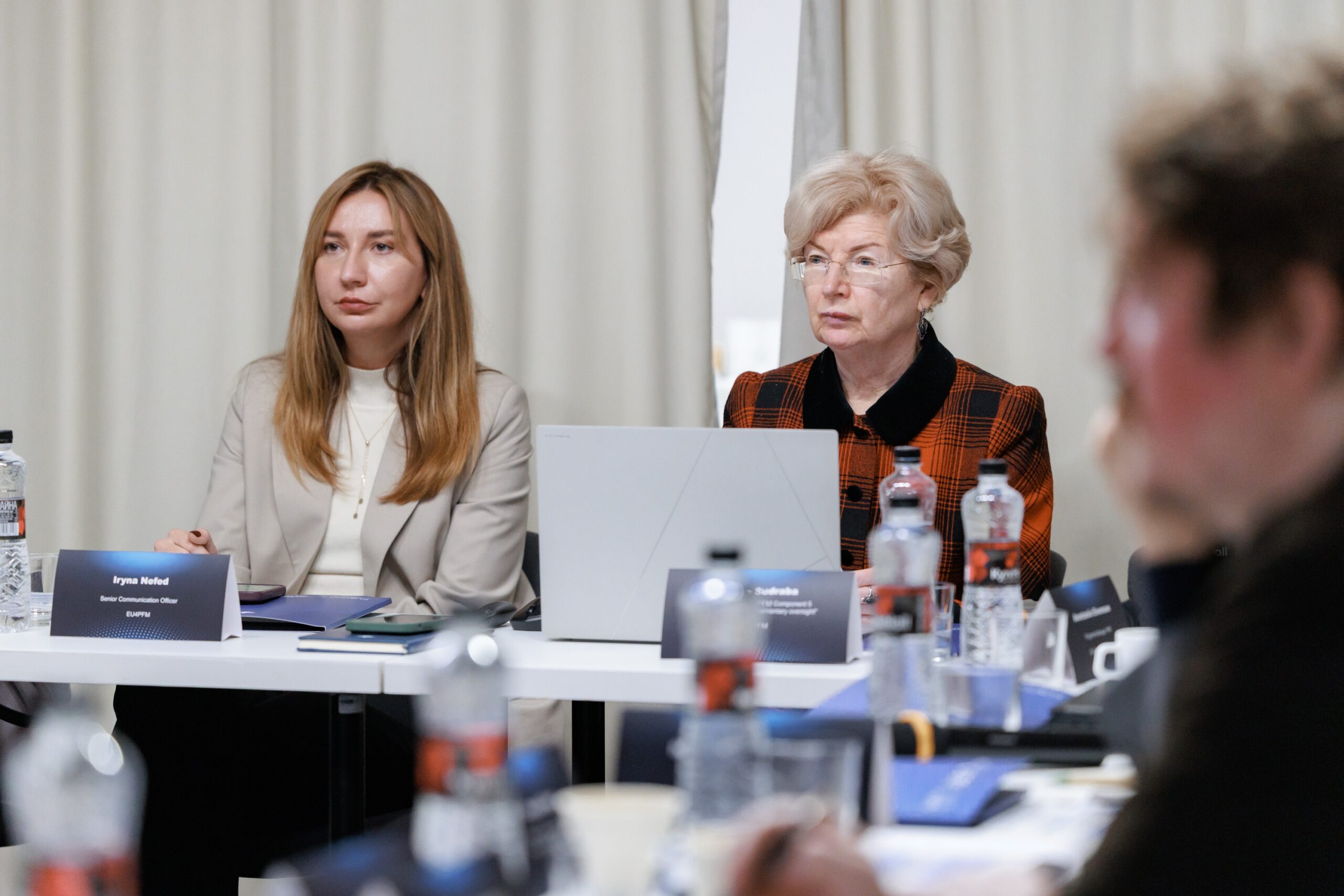
Presenting the progress report, Inguna Sudraba, Team Leader of EU4PFM Component 5, explained how sustained support to financial, compliance and performance audits is helping the Accounting Chamber fulfil its expanded mandate while developing institutional capacity. Experience from audit work informs the project’s methodological guidance, training programmes and support to quality management, people management and audit planning.
“We support demanding audits today. And we help ACU build the capacity to sustain that work. We work with audit teams on real engagements. The difficulties they encounter inform our methodological work. We use those same issues to develop training and practical cases,” said Inguna Sudraba.
Key results from May–October 2026
Audit delivery and use of audit results. EU4PFM provided sustained assistance across the full cycle of financial, compliance and performance audits, from planning and evidence assessment to conclusions, reporting and recommendation follow-up. Financial-audit support covered six central ministry groups, national institutions, internationally financed programmes and local government. Compliance and performance work addressed major public responsibilities, including housing compensation, digital systems, state-owned assets, school transport and recovery infrastructure. By 31 October, 14 supported engagements had reached ACU consideration or approval. Parliamentary committees examined four supported reports concerning higher education, health, television and radio, and Lviv waste management.
Professional methods and practical audit tools. The project reviewed proposed amendments to all three audit methodologies and developed reusable programmes for documenting evidence in compliance and performance audits. Guidance on recommendations, report summaries and evidence referencing, together with financial-audit worked examples and quality and legal review learning notes, addresses recurring difficulties identified through work with audit teams.
Professional learning and internal training capacity. EU4PFM developed substantive training programmes and materials for auditors, audit team leaders and quality reviewers, including presentations, practical cases, exercises and guidance. Completed financial-audit programmes comprise 11 modules for auditors and 13 for team leaders; the corresponding compliance-audit programmes comprise five and eight modules. Internal trainers presented 40 of the 50 Compliance Auditor Track sessions using project-developed materials, with continuing project support. The engagement quality review (hot review) programme covered all three audit disciplines through four sessions totalling 12 learning hours. Performance-audit training is underway for central and territorial-office auditors and team leaders.
Quality management and substantive review. On 27 October, EU4PFM submitted a draft Quality Management Policy in English and Ukrainian, setting out quality objectives, risk assessment, responsibilities, monitoring and corrective action. Its annexes include practical tools for auditee feedback and proposed audit-team self-assessment. ACU approval and implementation remain the next stages. Continuing support to quality reviewers focuses on significant evidence and professional judgements, the resolution of review findings and clear responsibilities.
Institutional management and realistic audit planning. The project reviewed 40 proposed compliance and performance audits, examining their objectives, scope, evidence needs and feasibility. A portfolio-analysis workbook, audit-theme assessment algorithm and resource-management guidance support realistic planning. HR assistance covered competency-based recruitment, onboarding, mentoring and professional development. The Ethical Culture of Professional Interaction programme reached 228 employees in 12 groups across the central office and seven territorial offices. These activities provide a basis for further management development; lasting changes in workplace practice still require follow-up.
Expansion of financial audit to territorial offices. Six territorial offices began independently managed financial audits of Boryspil, Sokilnytsia, Lityn, Mayakivska, Pivdenna and Novooleksandrivska communities. Drawing on the Bucha audit experience, EU4PFM developed a planning workshop, instructions and a worked work-organisation plan, and reviewed teams’ planning documents. Support currently focuses on initial planning, with audit teams retaining responsibility for their decisions.
Management capacity at the State Audit Service. Fourteen middle managers completed an Expertise France training programme on leadership and team management in October.
Virginie Ma-Dupont, EU4PFM Project Leader at Expertise France, reported on workshops to prepare a pilot public policy evaluation at the Accounting Chamber. She also outlined support to the State Audit Service, including expert input on the proposed separation of audit and inspection functions, training on risk-based audit methods to protect the EU’s financial interests and preparatory work on public procurement control.
“The workshops helped lay the groundwork for the Accounting Chamber’s pilot policy evaluation. With the State Audit Service, we will build on the preparatory work on procurement control and continue helping teams apply risk-based audit methods to protect the EU’s financial interests,” said Virginie Ma-Dupont.
Priorities through April 2027
Progression of ongoing audits. EU4PFM will continue supporting financial, compliance and performance audits through their next stages. Assistance will respond to the needs of each engagement, including central consolidation groups and all six community audits, with attention to sufficient evidence, justified conclusions and coherent reporting. New support for 2027 will depend on confirmed topics, scope and resources.
Practical application of institutional instruments. Priorities include ACU decisions on the draft Quality Management Policy and responsibilities for phased implementation, continued performance-audit learning, support to internal trainers and reuse of completed training programmes. A planned management programme and practical use of HR and resource-planning tools will support consistent delivery and a feasible Annual Work Plan.
Use of audit results and recommendation follow-up. Component 5 will continue helping teams assess responses to recommendations and the evidence of corrective action, keeping significant unresolved issues visible. Conclusions about wider impact will depend on evidence of the changes achieved.
Public policy evaluation and financial control. Expertise France will work with the Accounting Chamber to prepare the pilot evaluation and with the State Audit Service to take forward work on procurement control, the separation of audit and inspection functions, and the protection of the EU’s financial interests.