EU4PFM Launches a Series of Trainings on the Fundamentals of EU Tax Law
These trainings are organised by EU4PFM experts for specialists from the Ministry of Finance of Ukraine and the State Tax Service of Ukraine. Their purpose is to deepen participants’ knowledge and strengthen their practical competencies in the field of European Union tax law.
This initiative is particularly timely, as this year the joint work of EU4PFM and its Partner Institutions is focused on transposing EU tax legislation into Ukraine’s national legal framework.
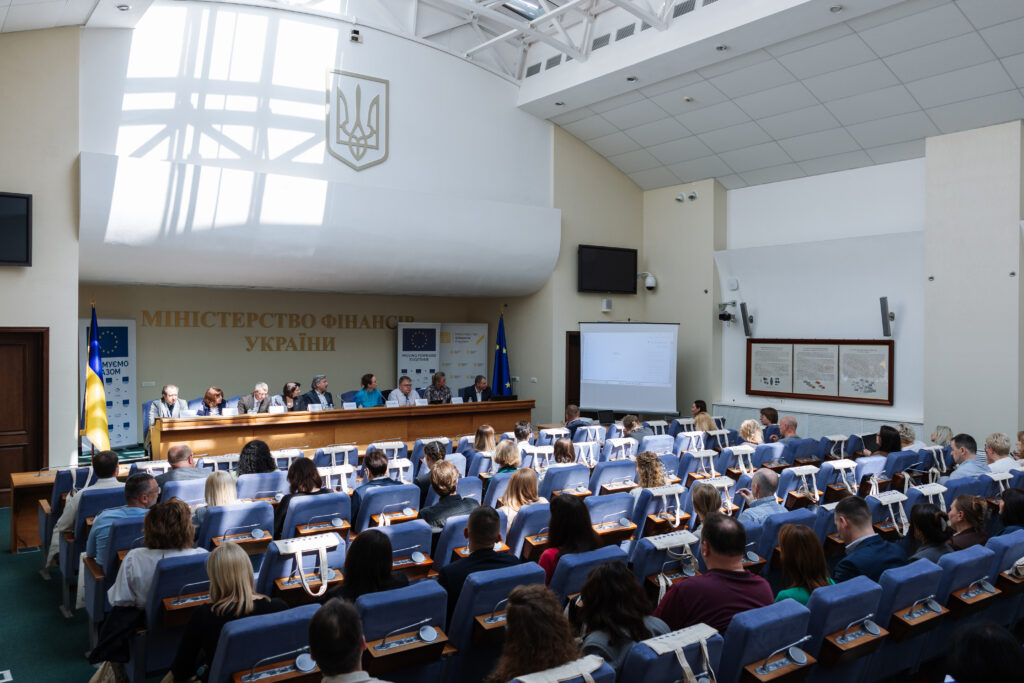
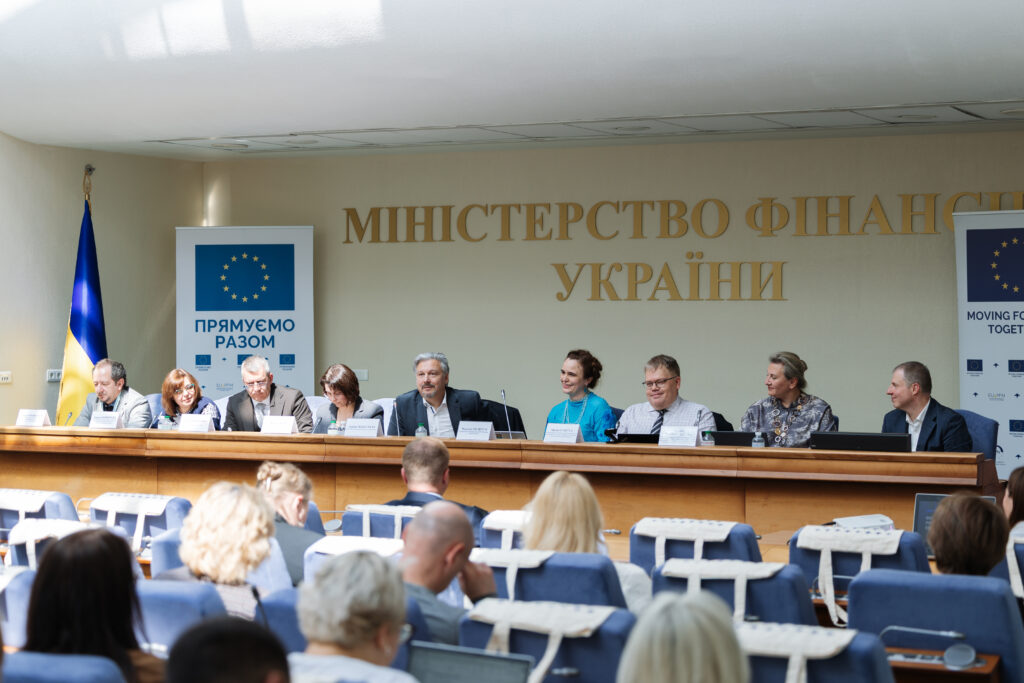
The first training in the series, “Sources of EU Tax Law”, took place today at the Ministry of Finance.
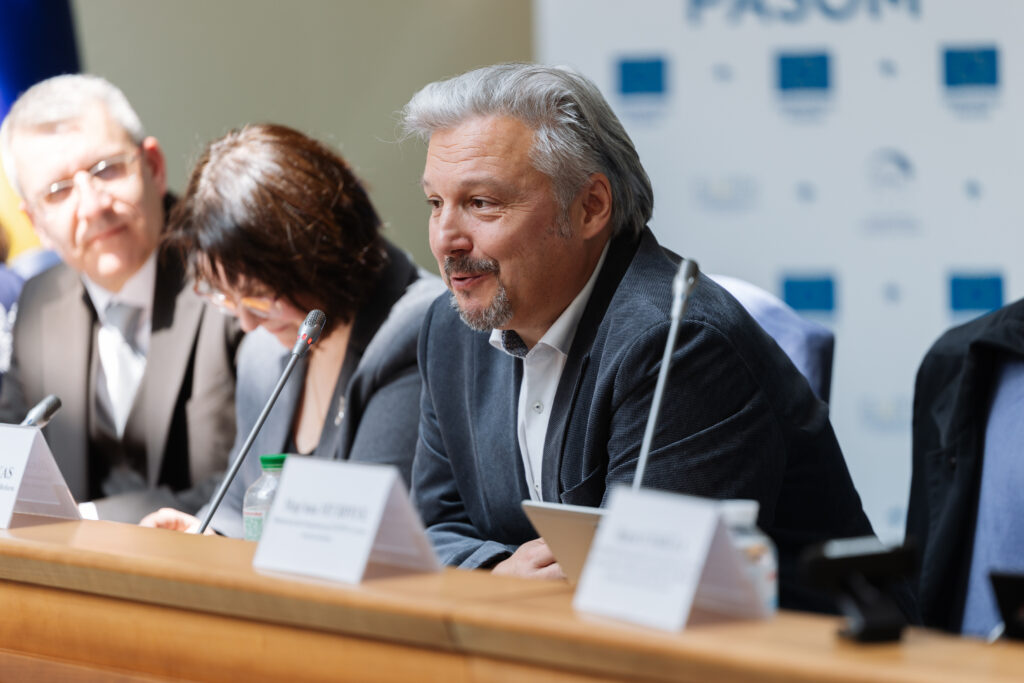
Opening the event, Paulius Majauskas, EU4PFM International Key Expert on Tax, emphasised the importance of a systematic approach to tax harmonisation and reaffirmed the Programme’s continued support to Ukrainian Partner Institutions:
“I hope this training series will help build a comprehensive understanding of EU tax law and its internal logic. This will provide a solid foundation for the further technical work required to align Ukrainian legislation with European Union rules.”
Marek Uuskula, EU4PFM International Expert on Indirect Taxation, delivered an overview of the EU legal system. His presentation covered the nature and sources of EU law, primary and secondary legislation, general principles of law, the role of case law, and the specific features of transposing EU rules into national legislation. Particular attention was given to conclusions most relevant for Ukraine.
Key takeaways from the training
- EU law is not merely a collection of separate legal acts, but a structured legal order.
- Primary law establishes the framework, secondary legislation ensures its practical implementation, and general principles together with case law guarantee consistency and uniform application.
- Drafting national legislation requires understanding the entire system and its internal logic, rather than focusing only on individual provisions.
- Misunderstanding or misapplying the appropriate legal instrument can lead to structural inconsistencies in national legislation.
- National legislation must be drafted in a way that ensures the effective application and enforcement of EU law.
- Formal alignment without substantive compliance creates legal and practical risks.
- In areas such as VAT and excise duties, national legislation must operate within the framework defined by EU competences.
- Tax systems cannot be developed in isolation, they must be aligned with the principles of the EU internal market.
More than 370 participants joined the first day of the training in both online and offline formats.