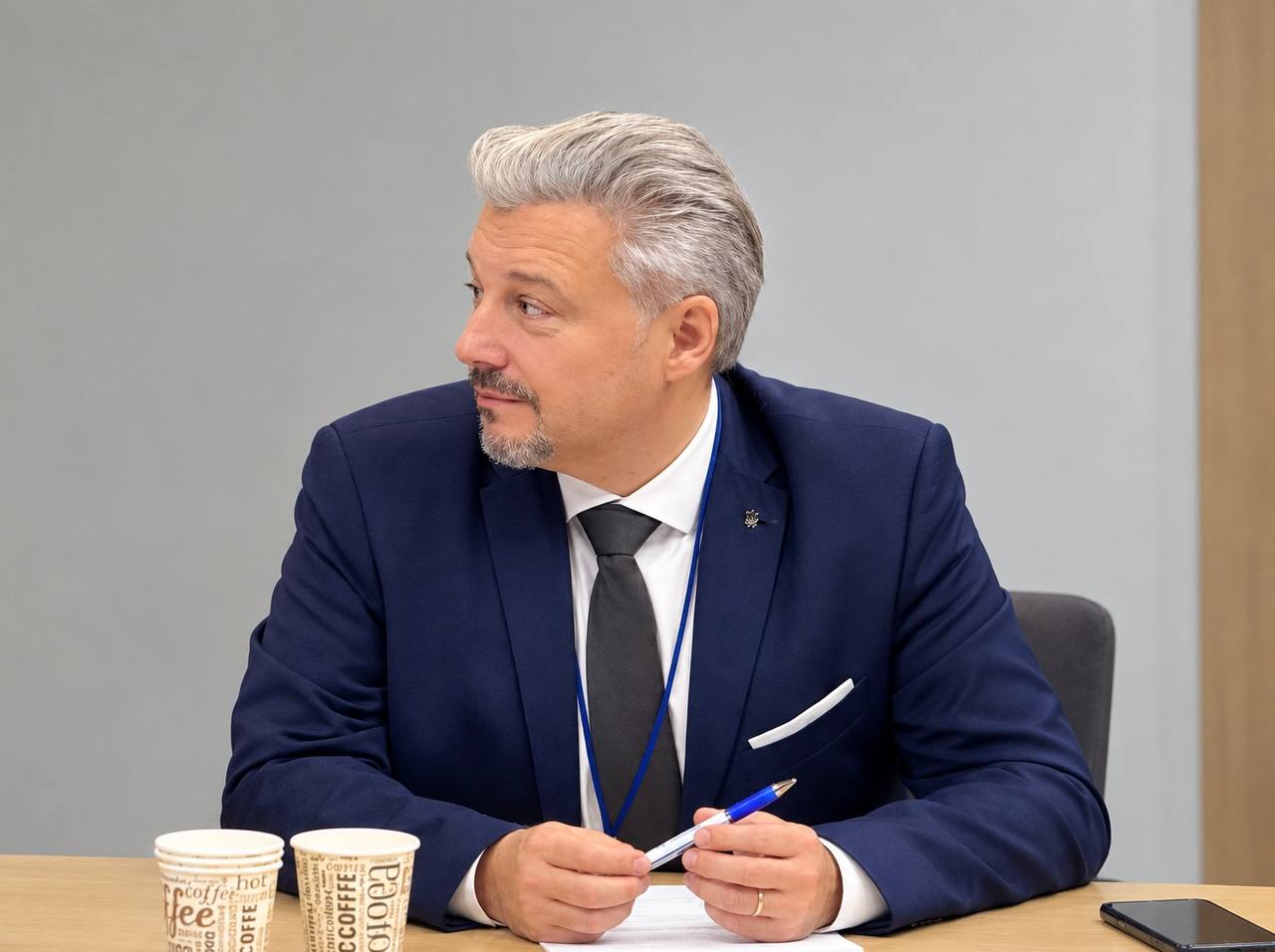
From tax debt recovery to cross-border cooperation: two more days of practical exchanges in Brussels
How do tax authorities decide which measures to take when taxes remain unpaid? What happens when a company becomes insolvent? And how can one country recover tax debts on behalf of another?
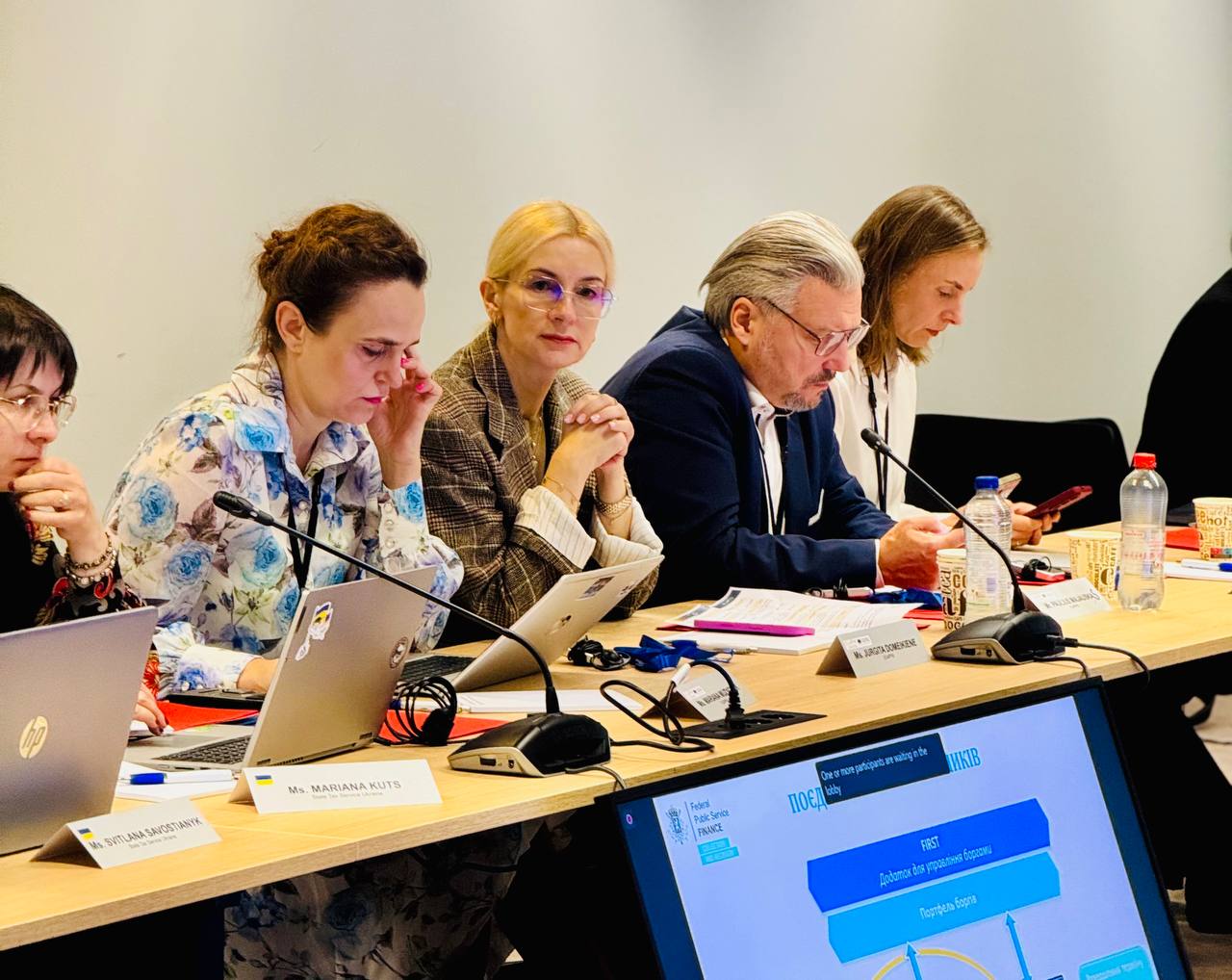
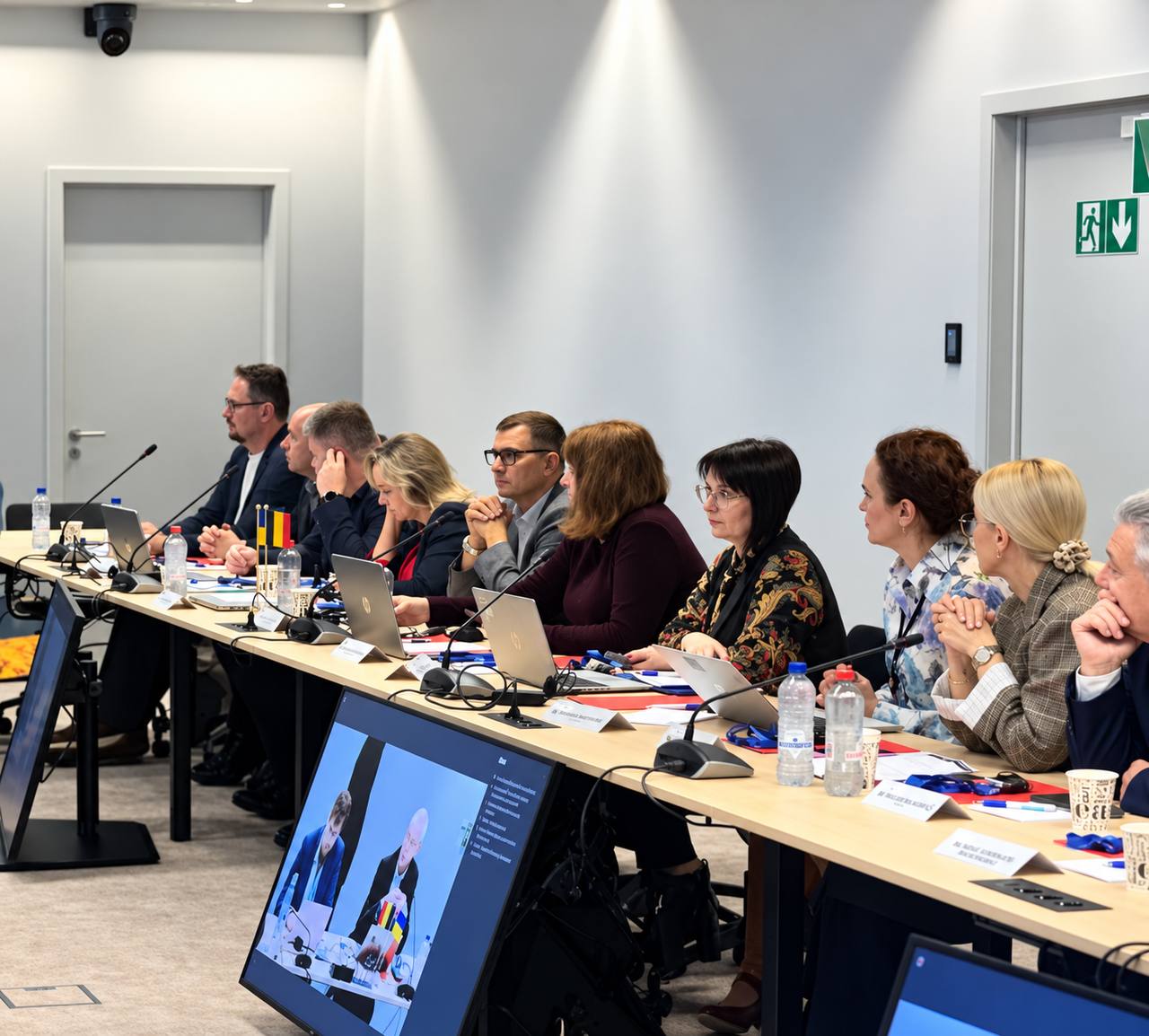
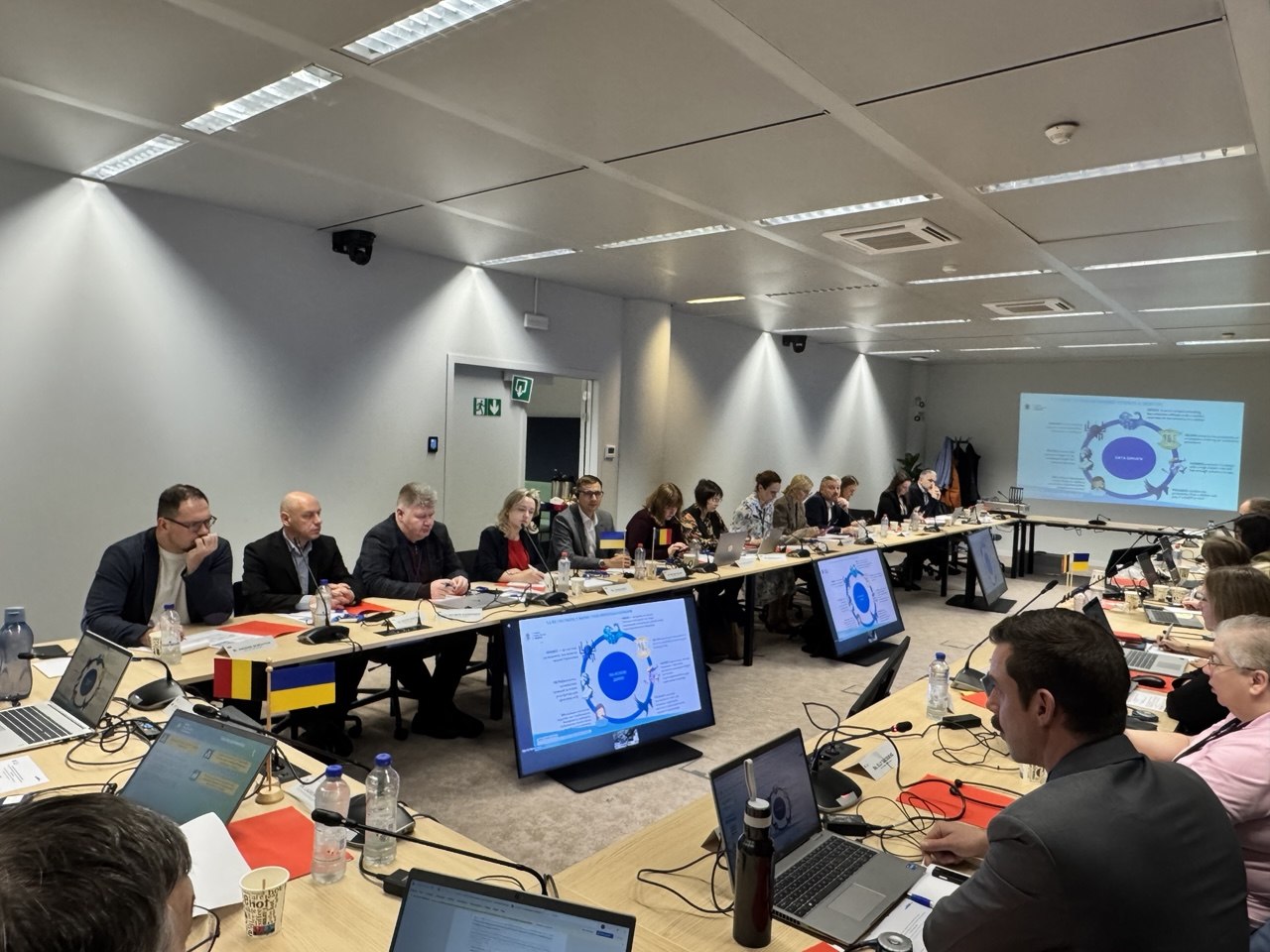
These were some of the questions discussed on 28–29 October, during the second and third days of the State Tax Service of Ukraine’s study visit to the Belgian Federal Public Service Finance, organised with the support of EU4PFM.
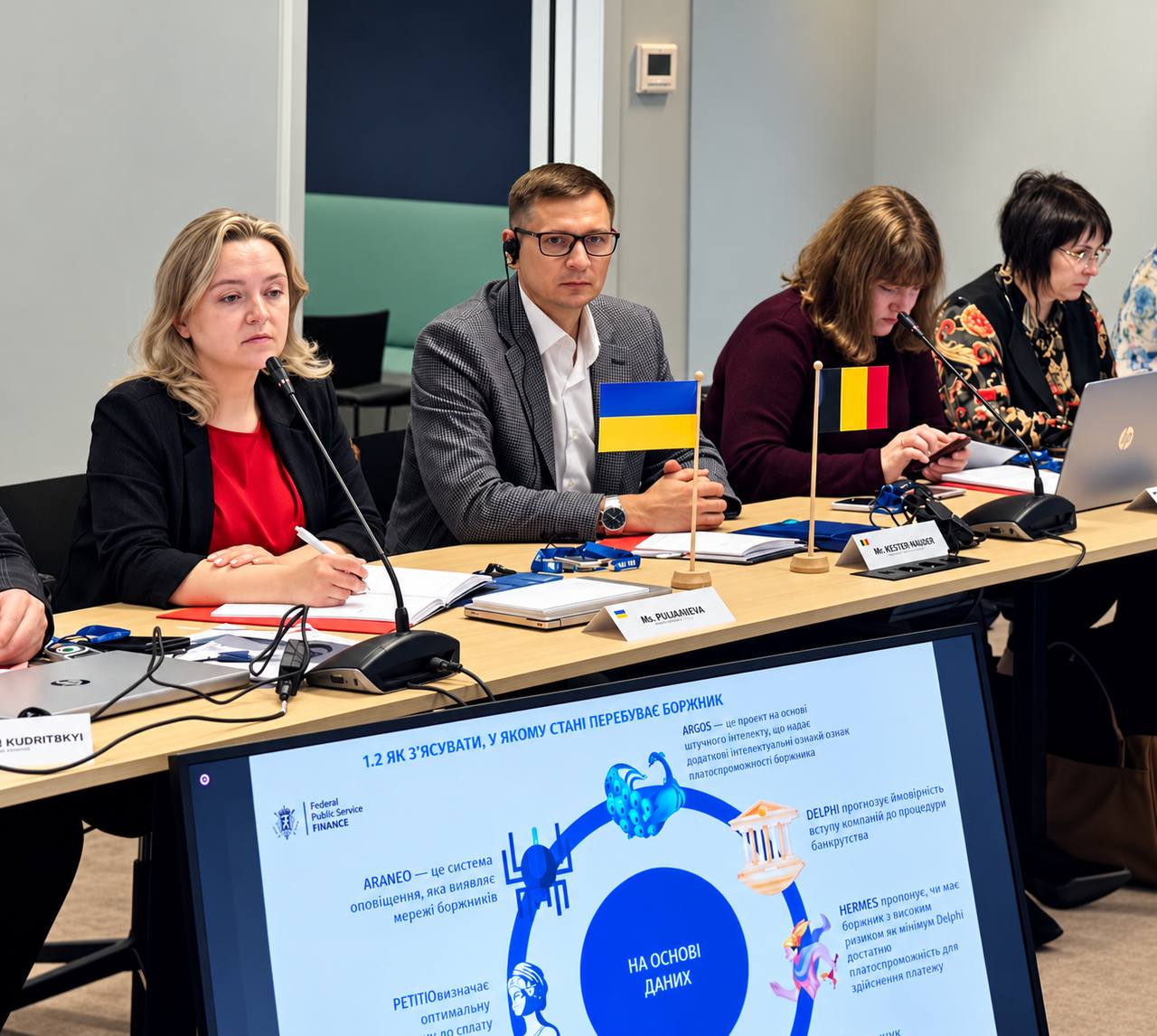
The second day was largely about the practical side of tax debt recovery. Belgian colleagues explained how they organise the process, select enforcement measures, cooperate with bailiffs and monitor results. Participants also looked at how data mining and analytical tools help tax authorities work with large amounts of information, identify priorities and use their resources more effectively.
The programme also included discussions on the work of the Shared Service Centre, professional ethics and integrity, including disciplinary procedures within the Belgian administration.
On the final day, attention turned to more complicated cases, particularly tax debt recovery involving fraud and insolvency. Ukrainian and Belgian colleagues discussed how such cases are handled and the challenges that arise along the way.
Another important part of the programme concerned international cooperation and mutual assistance in recovering tax claims.
Belgian experts shared how EU legislation works in practice when tax debts cross national borders and cooperation between tax administrations becomes necessary.
The discussions were an opportunity for Ukrainian colleagues to ask questions about specific procedures, compare Belgian practices with their own experience and consider which approaches could be useful for Ukraine.
As Ukraine continues to bring its tax administration closer to EU practices, exchanges like these offer something particularly valuable: a chance to learn directly from colleagues who work with these procedures every day.