Government approves draft of the New Customs Code of Ukraine
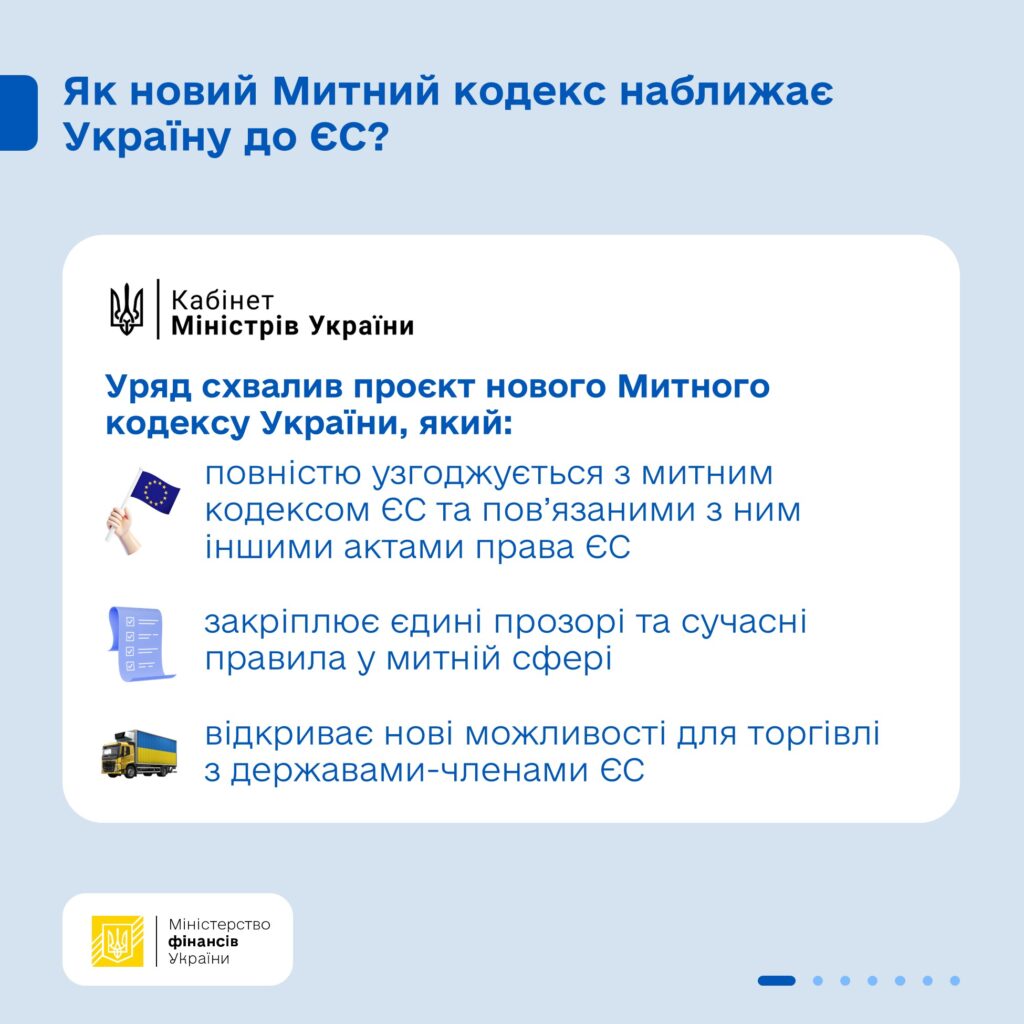
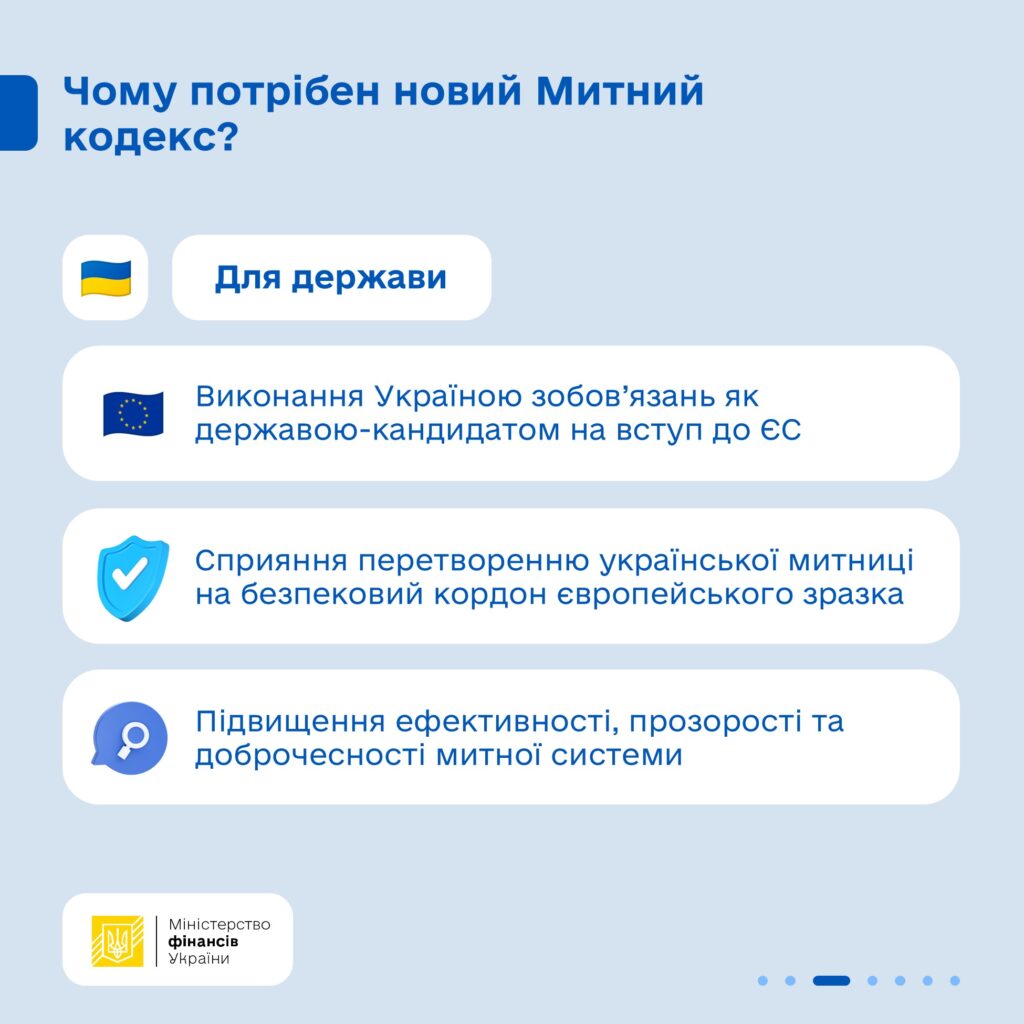
Yesterday, 27 May, the Cabinet of Ministers of Ukraine approved the draft of the new Customs Code of Ukraine. The draft is an important step in fulfilling Ukraine’s commitments under Chapter 29 “Customs Union” within the framework of accession negotiations with the European Union.
“The draft of the new Customs Code introduces customs rules and standards aligned with those of the EU and will contribute to transforming the Ukrainian customs service into a European-style security-oriented border authority. Most provisions of the new Customs Code will be clear and understandable both for businesses and customs officers. This has been facilitated by the long-term development of a regulatory framework already aligned with EU standards, as well as the practical implementation of European rules and procedures,” said the Minister of Finance of Ukraine, Serhii Marchenko.
Two years of joint work
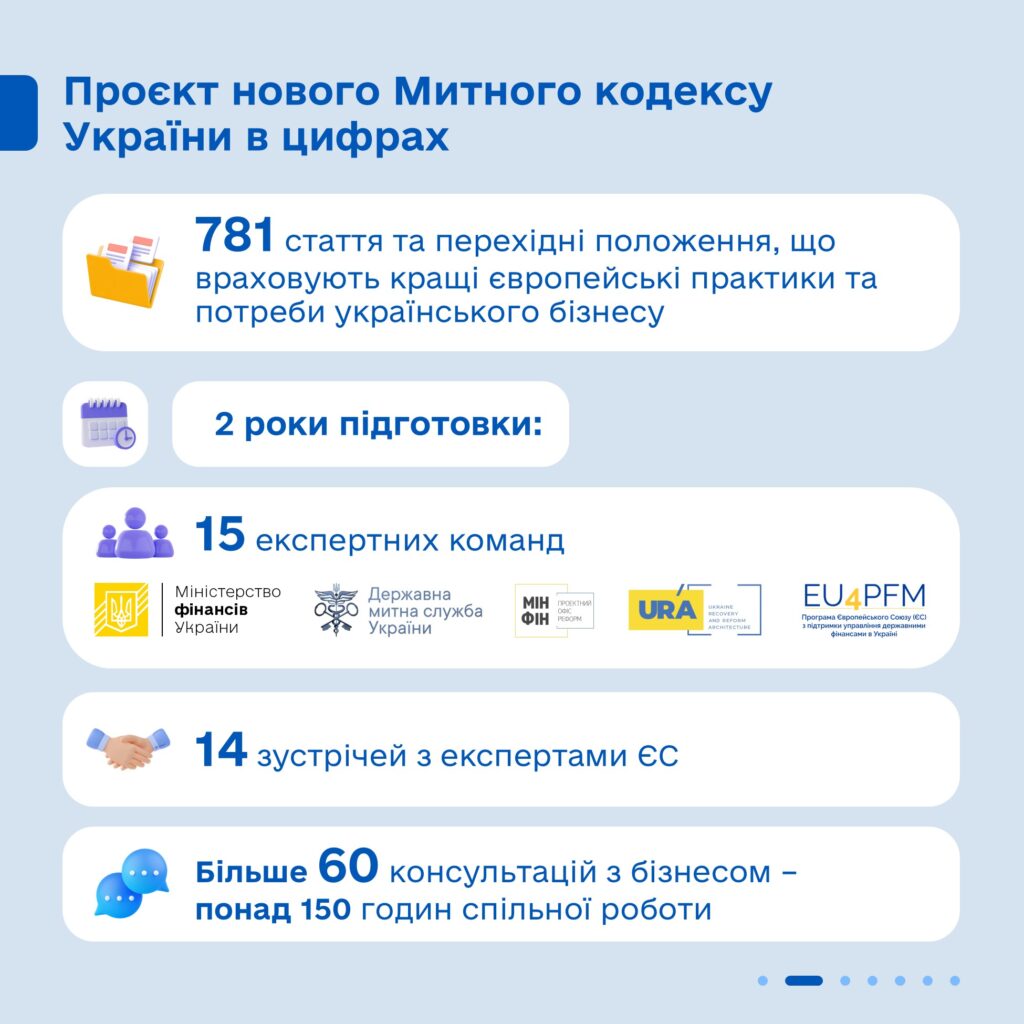
The draft of the new Customs Code was prepared over the course of two years through broad professional dialogue involving Ukrainian authorities, European experts, and the business community.
The document was developed by 15 expert groups comprising specialists from the Ministry of Finance of Ukraine, the State Customs Service of Ukraine, EU4PFM Programme and the the RST at the Ministry of Finance.
A particularly important stage of the process was cooperation with the European Commission and DG TAXUD and EU4PFM experts. Following the submission of the draft for assessment of its compliance with EU customs legislation, 14 dedicated working meetings were held with European experts to discuss comments and recommendations.
At the same time, extensive consultations took place with the Ukrainian business community. From October 2025 to March 2026, a working group established under a Government mandate — composed of 15 representatives of leading business associations and organisations working to improve the business climate and protect business rights in Ukraine — conducted more than 60 consultations. A significant share of the participants’ proposals was incorporated into the draft.
“EU4PFM provided expert support throughout the entire process of preparing the draft of the new Customs Code. Our experts contributed to drafting the text, carried out its translation and preliminary article-by-article assessment that served as the basis for the European Commission’s conclusions, and organised a series of meetings to clarify the Commission’s comments to the Ukrainian side. However, equally substantial work still lies ahead to ensure implementation of the Code after its adoption. This will require significant human and financial resources and must be completed within very tight deadlines, including the development of secondary legislation and IT systems. We remain ready to continue supporting Ukraine to ensure the timely implementation of the new Customs Code,” said Jurgita Domeikienė, Team-Leader of EU4PFM Programme Components 1, 3 and 4.
In particular, in line with DG TAXUD requirements, Ukraine is expected to develop and implement two key customs IT systems by 2027 — a new Customs Clearance System and a new Risk Management System fully aligned with European Commission requirements.
Structure of the draft Customs Code
Structurally, the draft is built in line with the logic and structure of EU customs legislation.
Sections I–IX correspond to the structure of the EU Customs Code at the level of sections and chapters. Sections X–XI implement provisions of specific EU regulations. Sections XII–XV cover national-level provisions, while Sections XVI–XVII contain transitional provisions necessary for the functioning of the system until Ukraine’s accession to the EU.
In total, the draft of the new Customs Code currently consists of 781 articles.
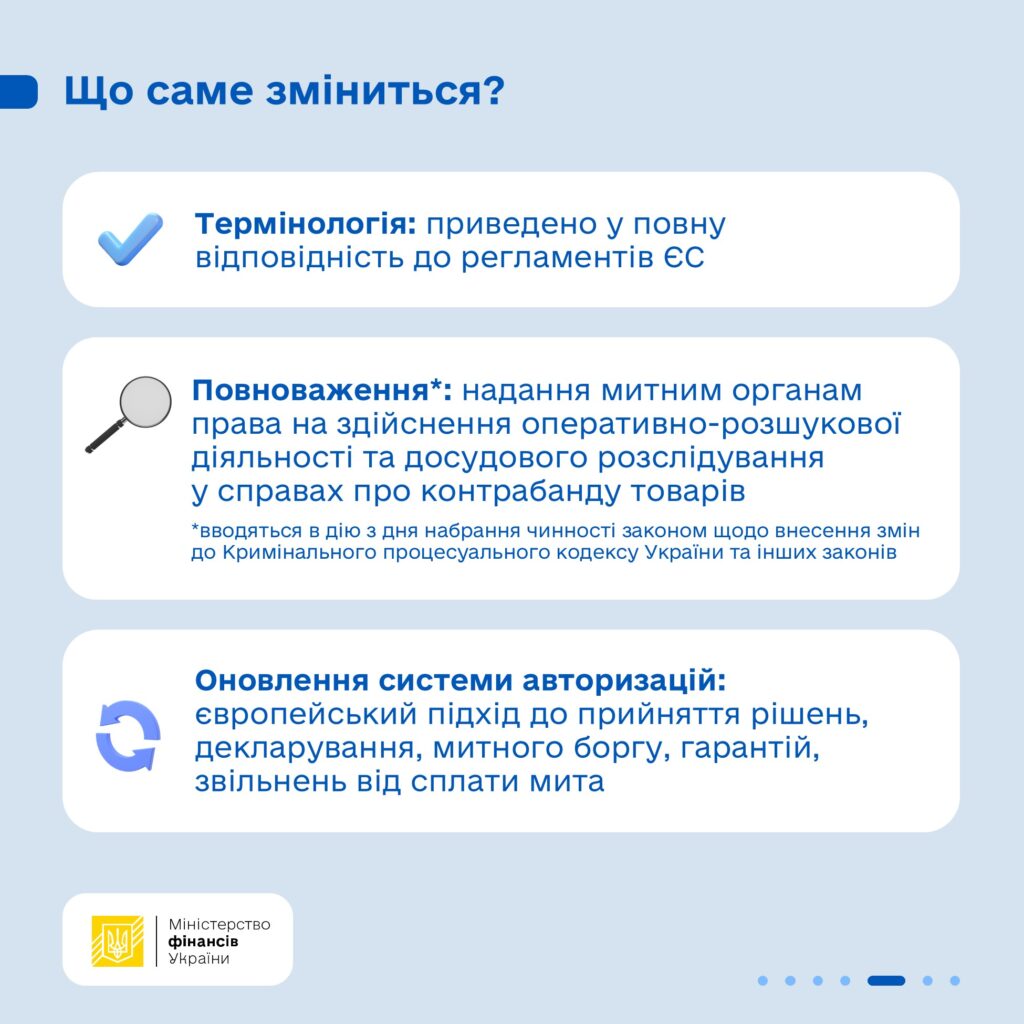
Among the key innovations compared to the current legislation are the full transition to EU customs terminology, the introduction of a modern authorisation system and customs procedures, and implementation of European approaches to customs decisions, declarations, customs debt, guarantees, duty exemptions, and related areas.
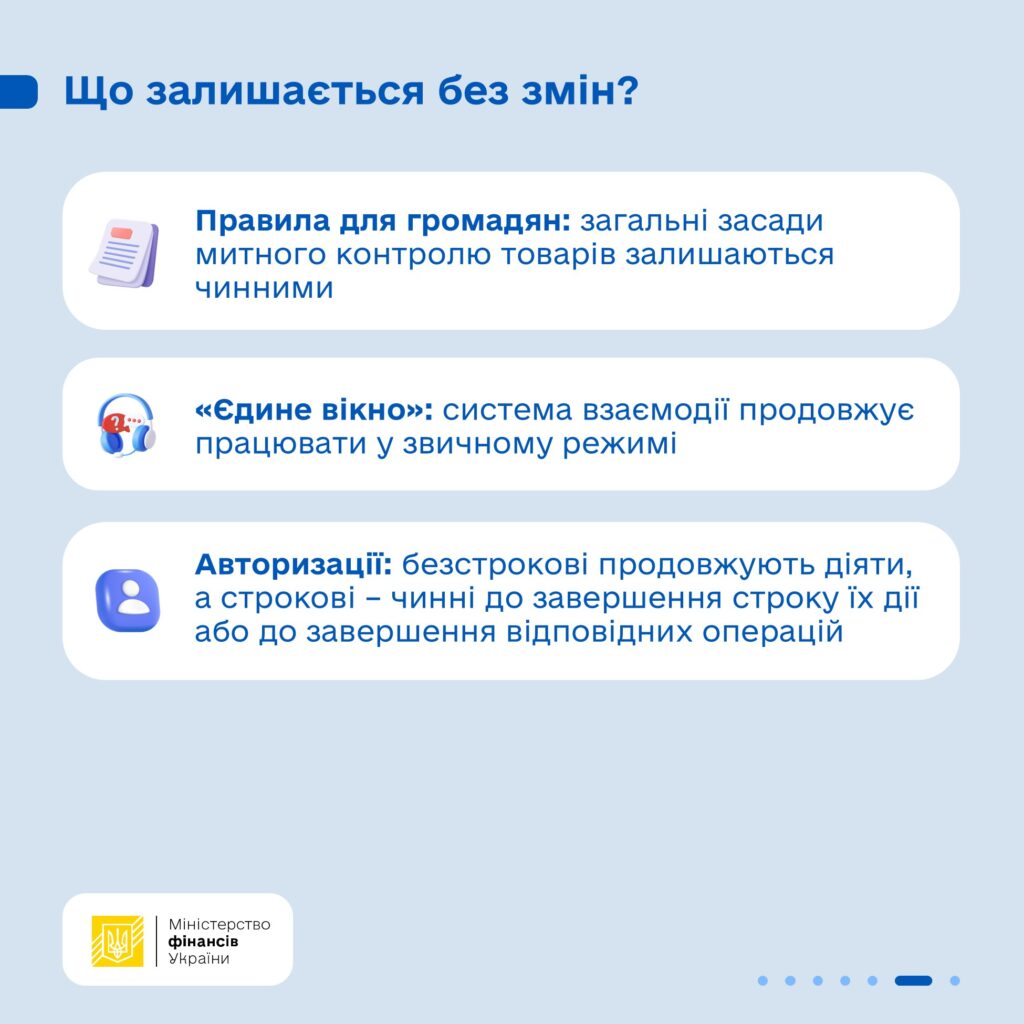
To ensure continuity of business processes, the new Customs Code provides that indefinite authorisations will remain valid, while fixed-term authorisations will continue to apply until their expiry date or completion of the relevant operations.
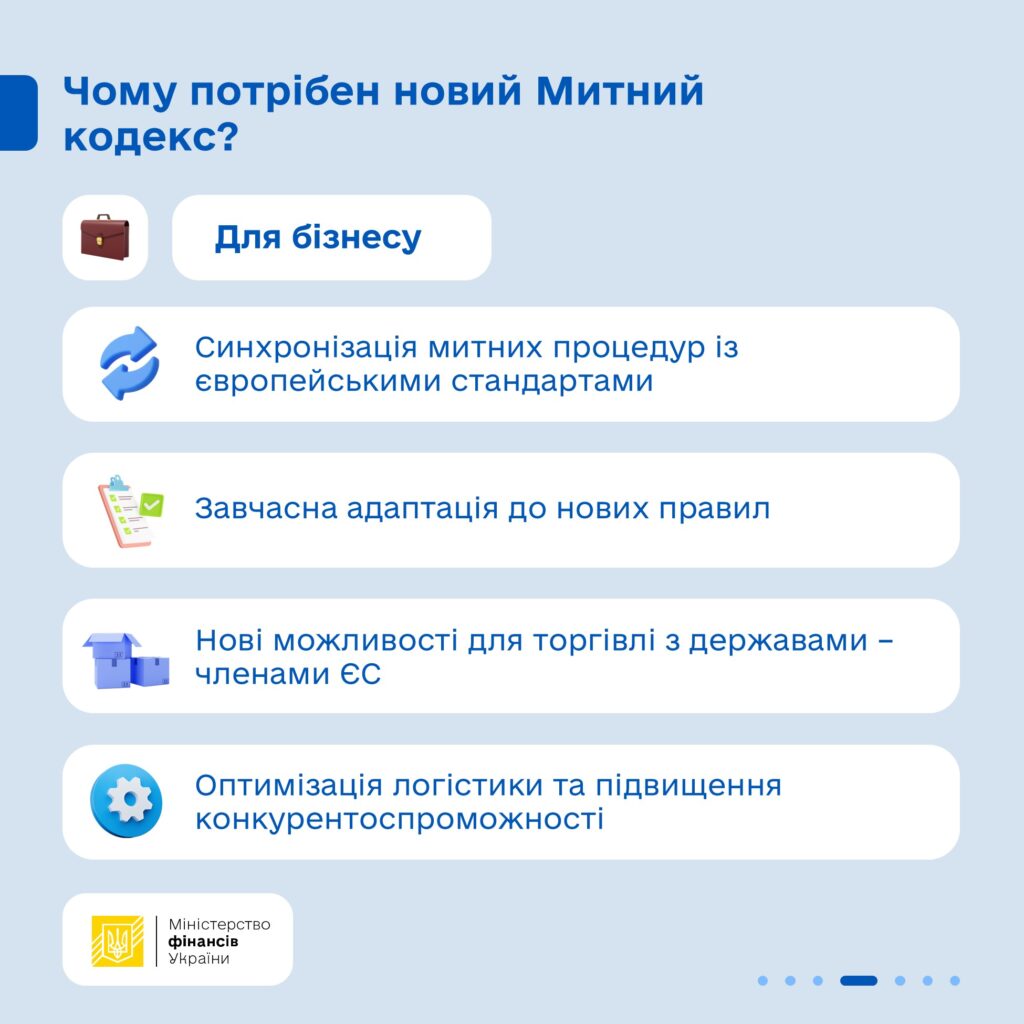
These changes will help Ukrainian businesses engaged in foreign economic activity adapt in advance to the new rules, optimise logistics and production processes, and strengthen their competitiveness.
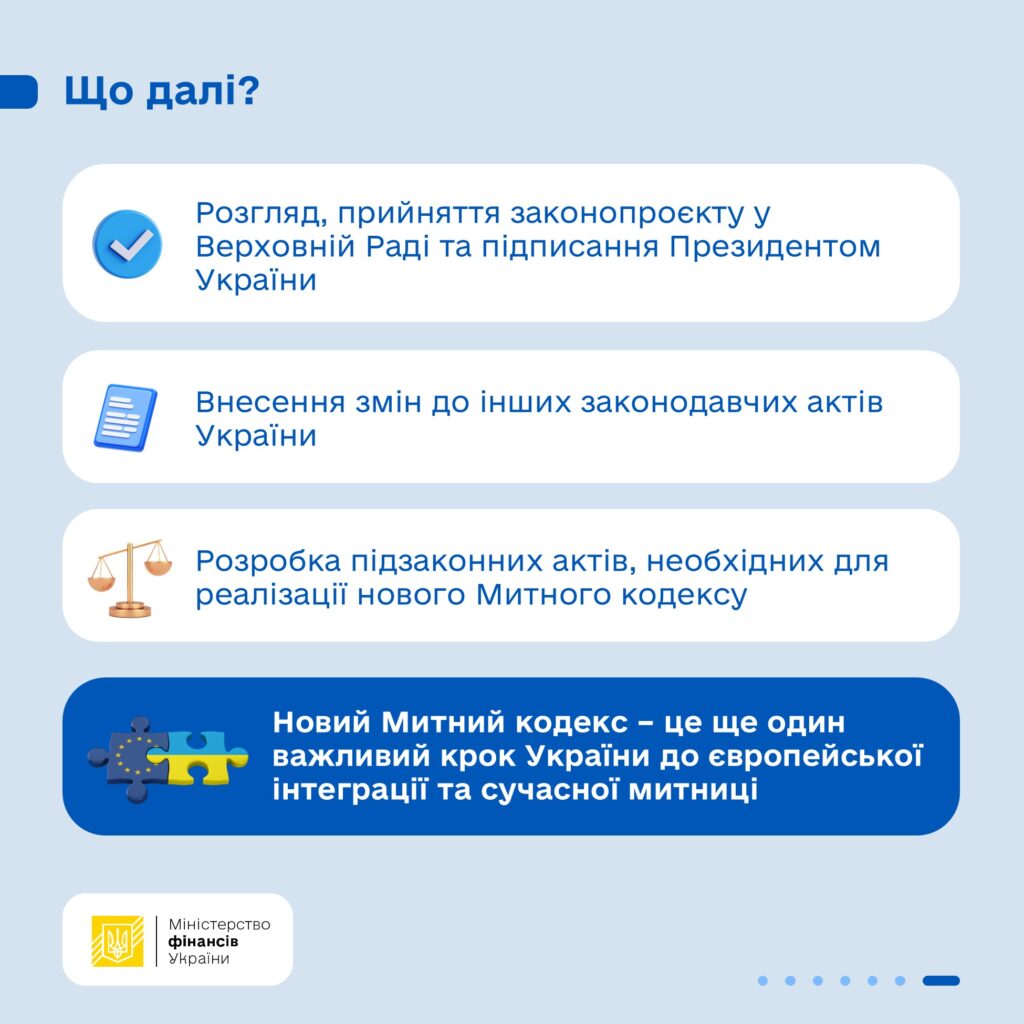
The next stage will be the submission of the draft law to the Verkhovna Rada of Ukraine for consideration.