III Customs Platform: Ukraine is building a customs system ready to operate within the EU
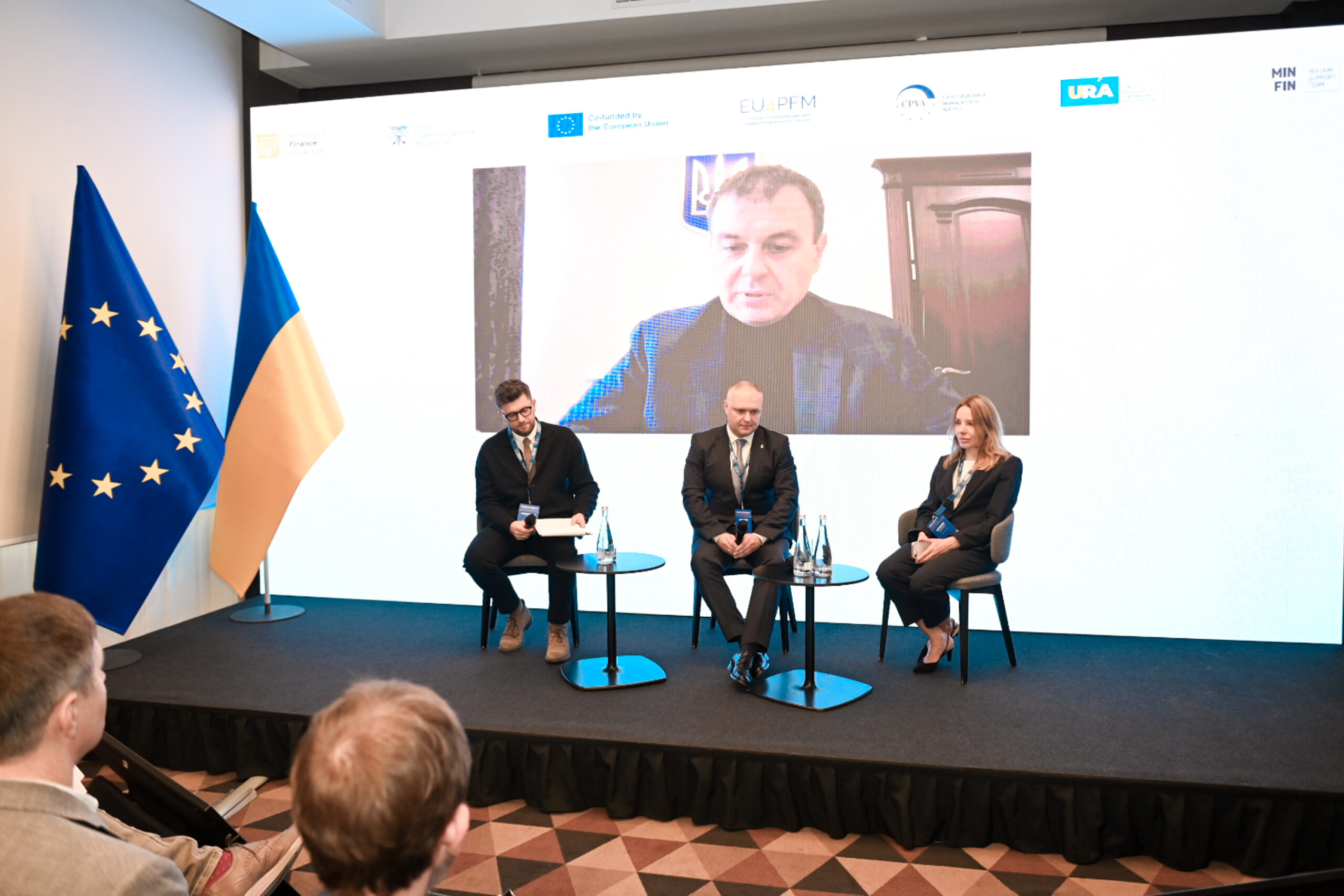
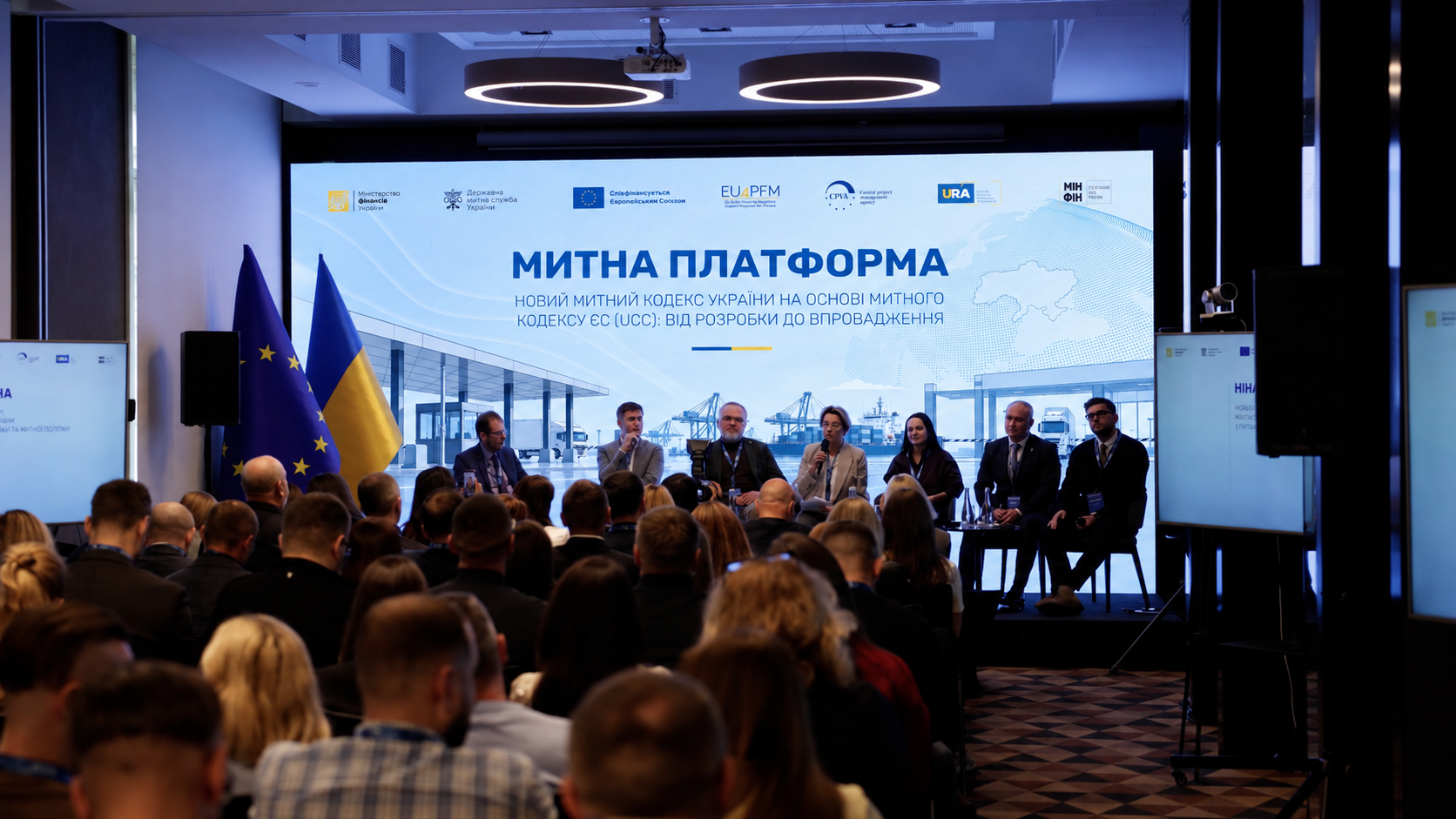
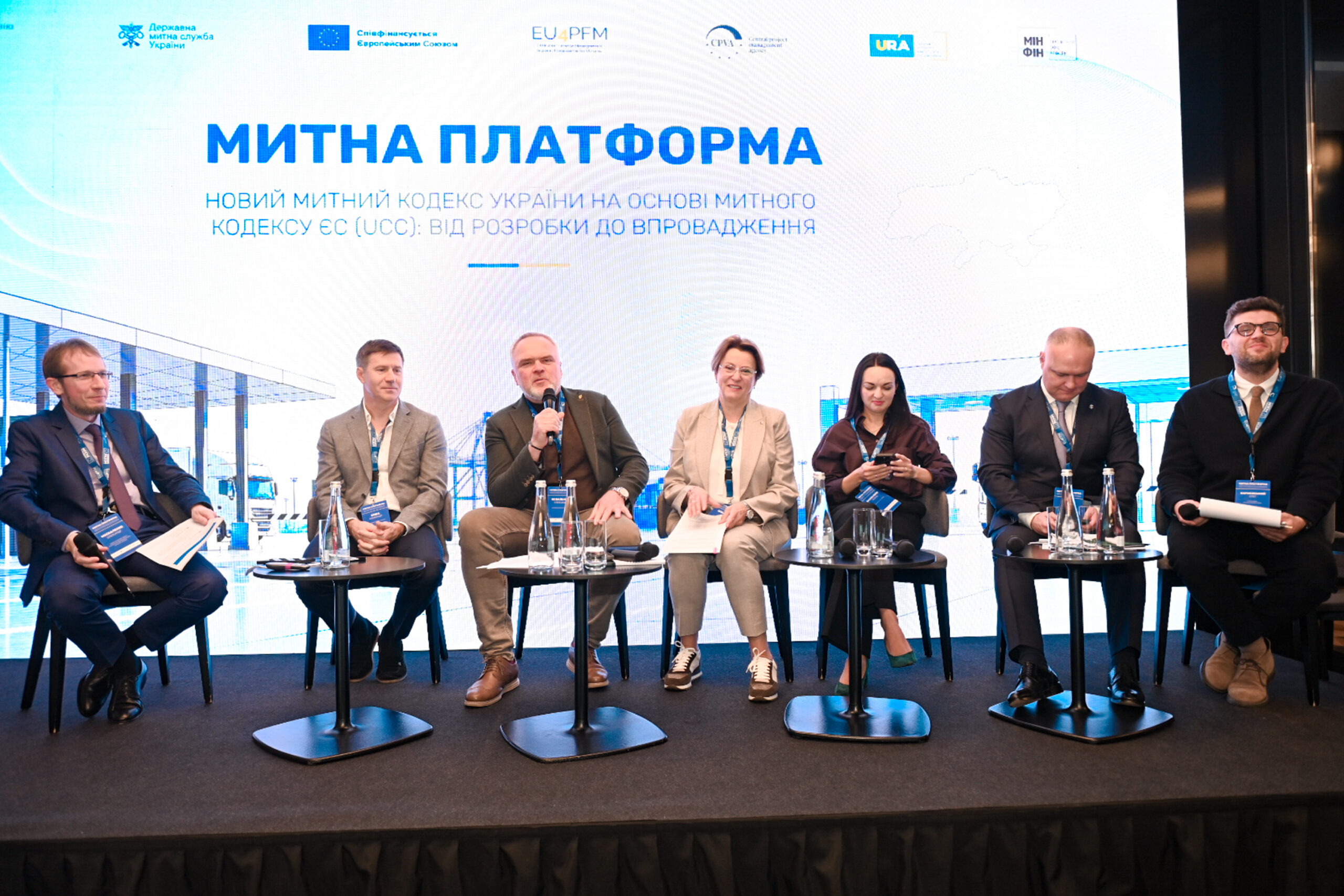
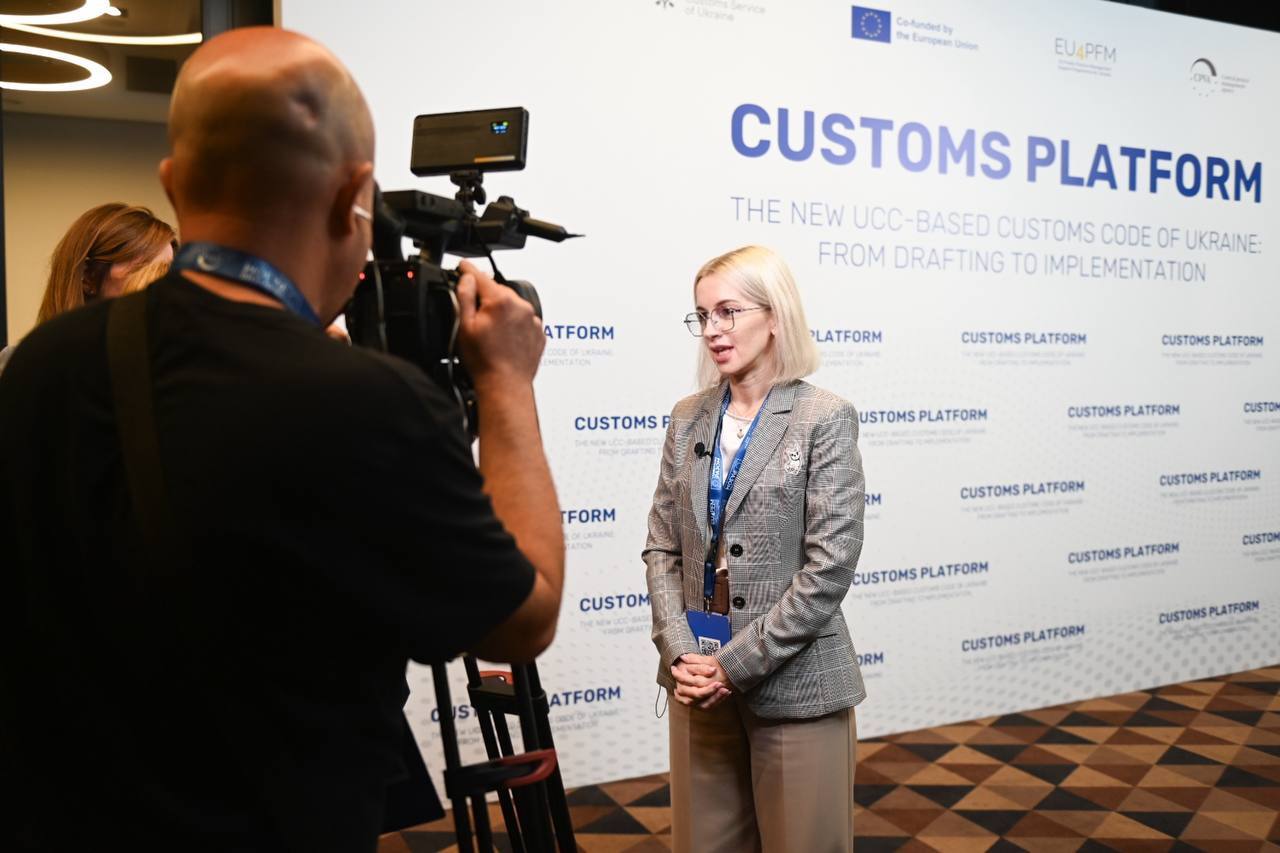
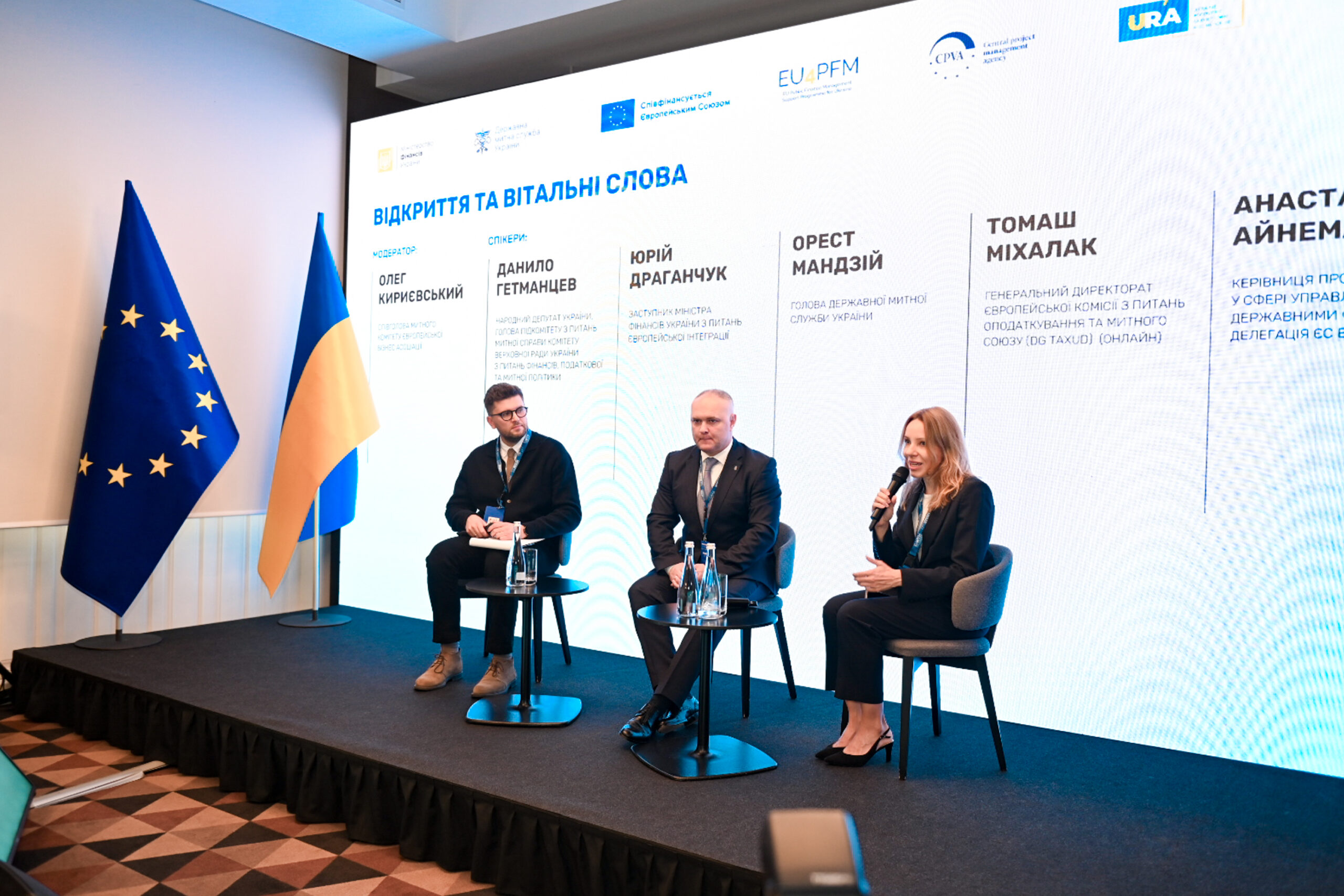
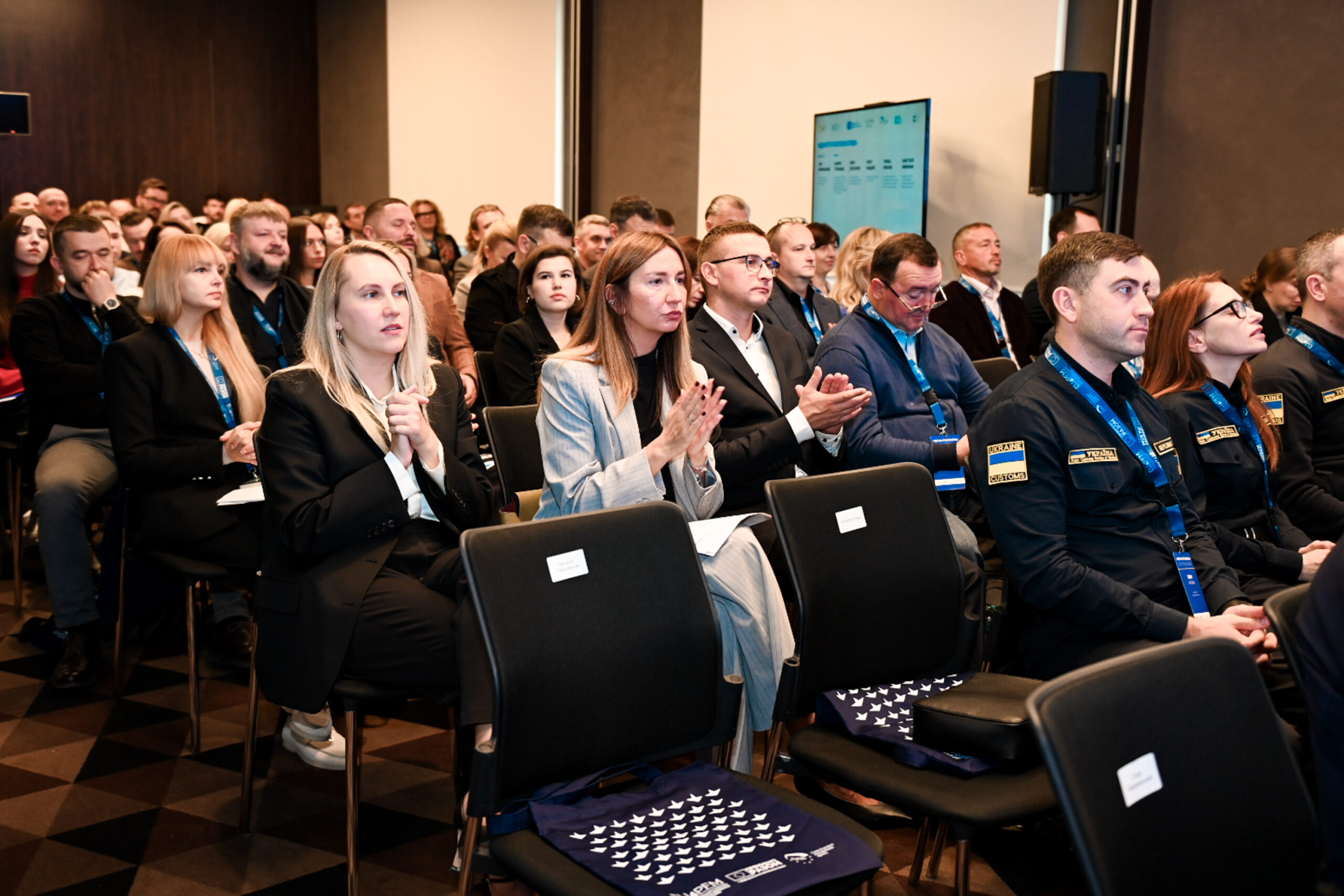
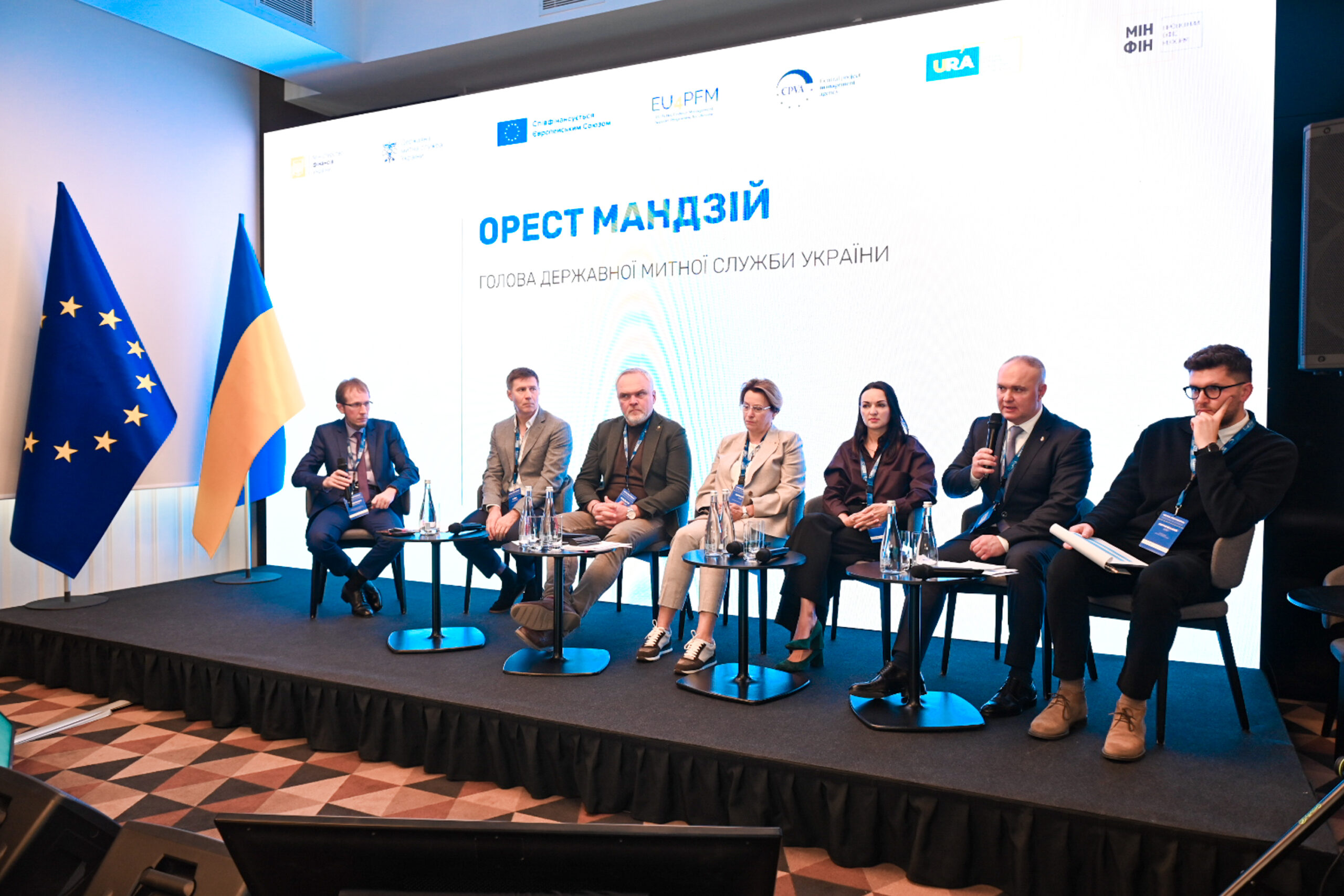
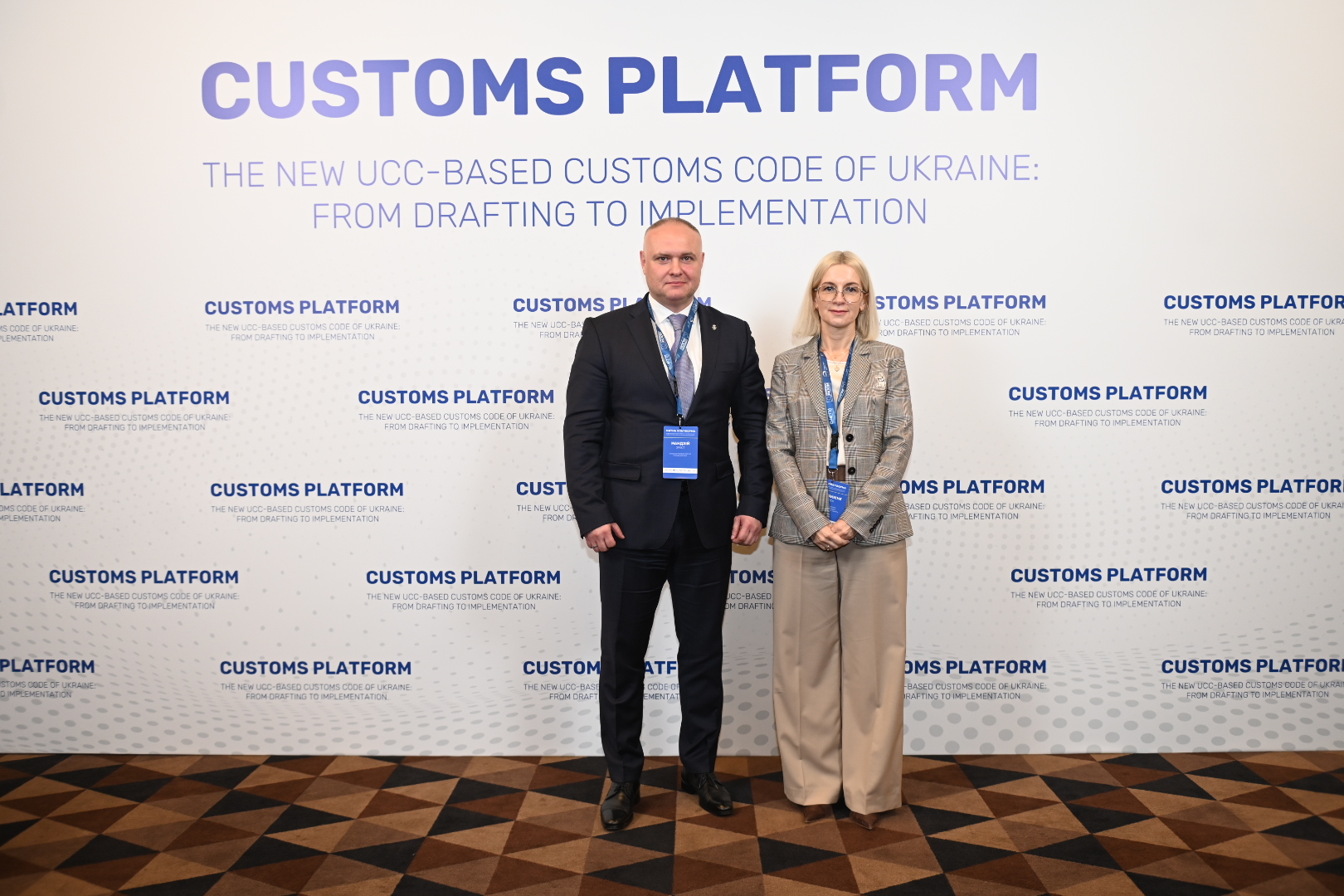
On 22 September 2026, Lviv hosted the Customs Platform “Ukraine’s New Customs Code Based on the EU Customs Code: From Development to Implementation”. Held for the second time this year, the event took stock of preparations for the adoption of Ukraine’s new EU-aligned Customs Code and outlined the next steps towards its practical implementation.
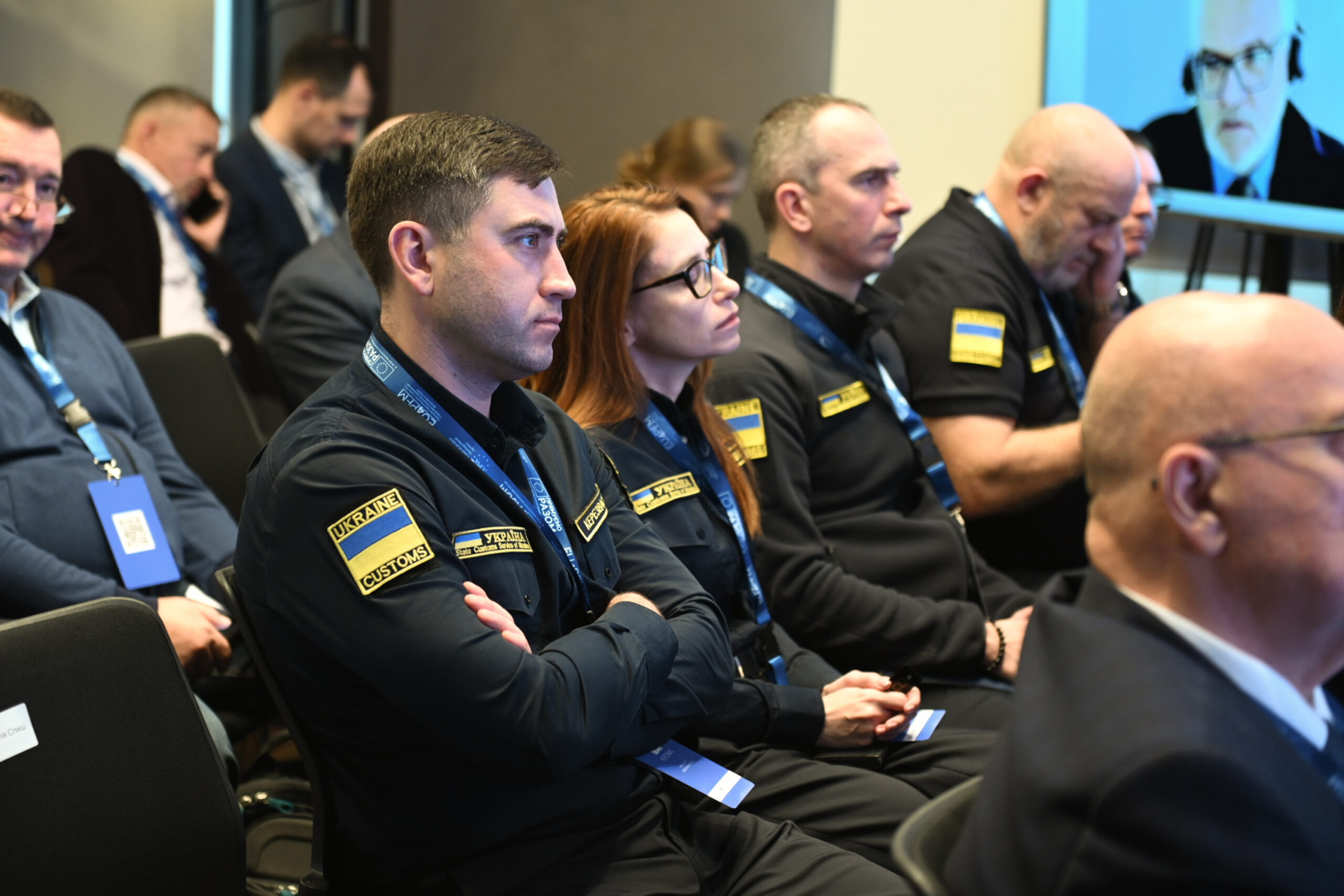
The Lviv Customs Platform brought together representatives of the Verkhovna Rada, the Ministry of Finance, the State Customs Service, the EU Delegation to Ukraine, the European Commission’s Directorate-General for Taxation and Customs Union (DG TAXUD), the EU Public Finance Management Support Programme for Ukraine (EU4PFM), and business associations.
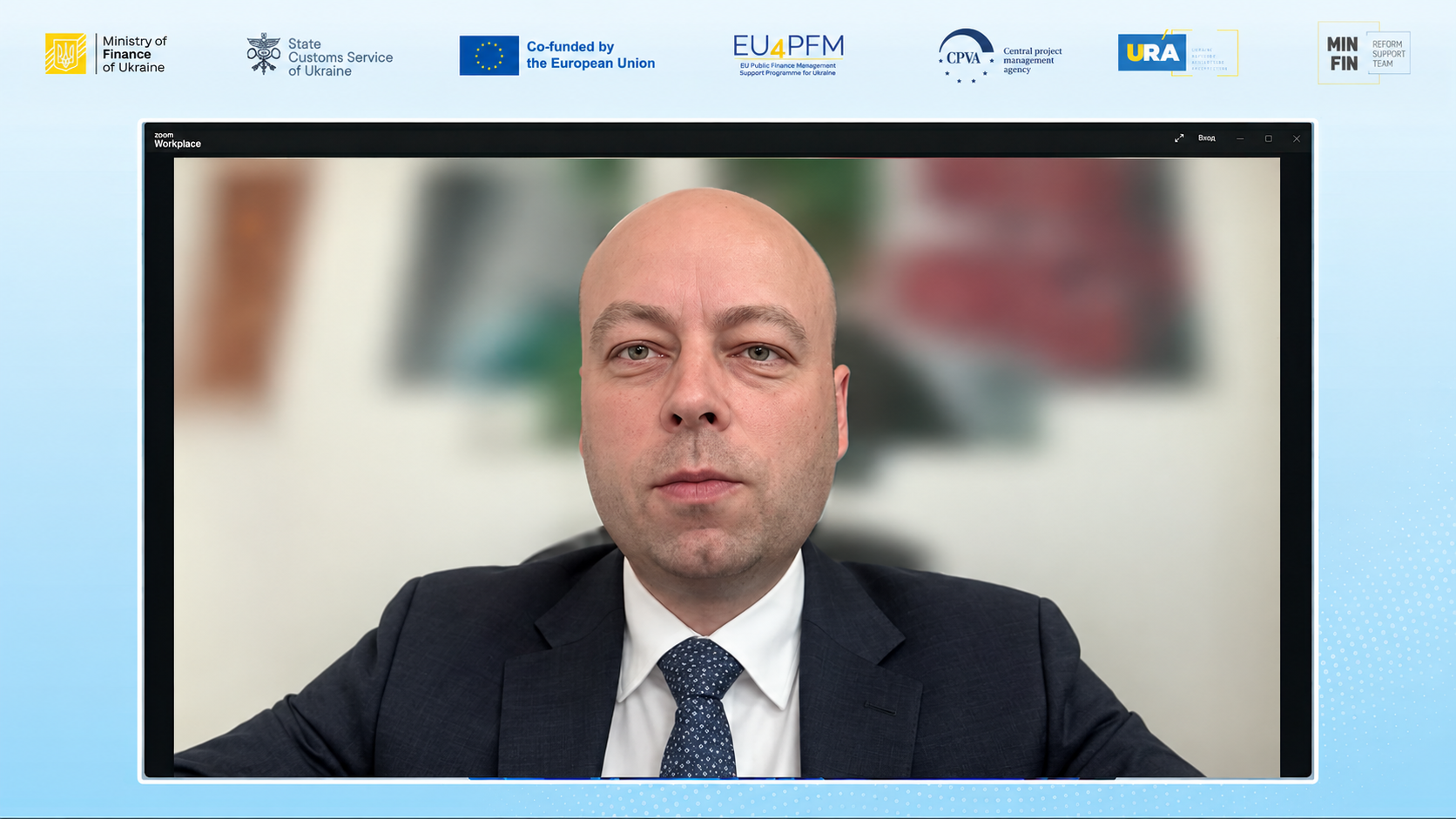
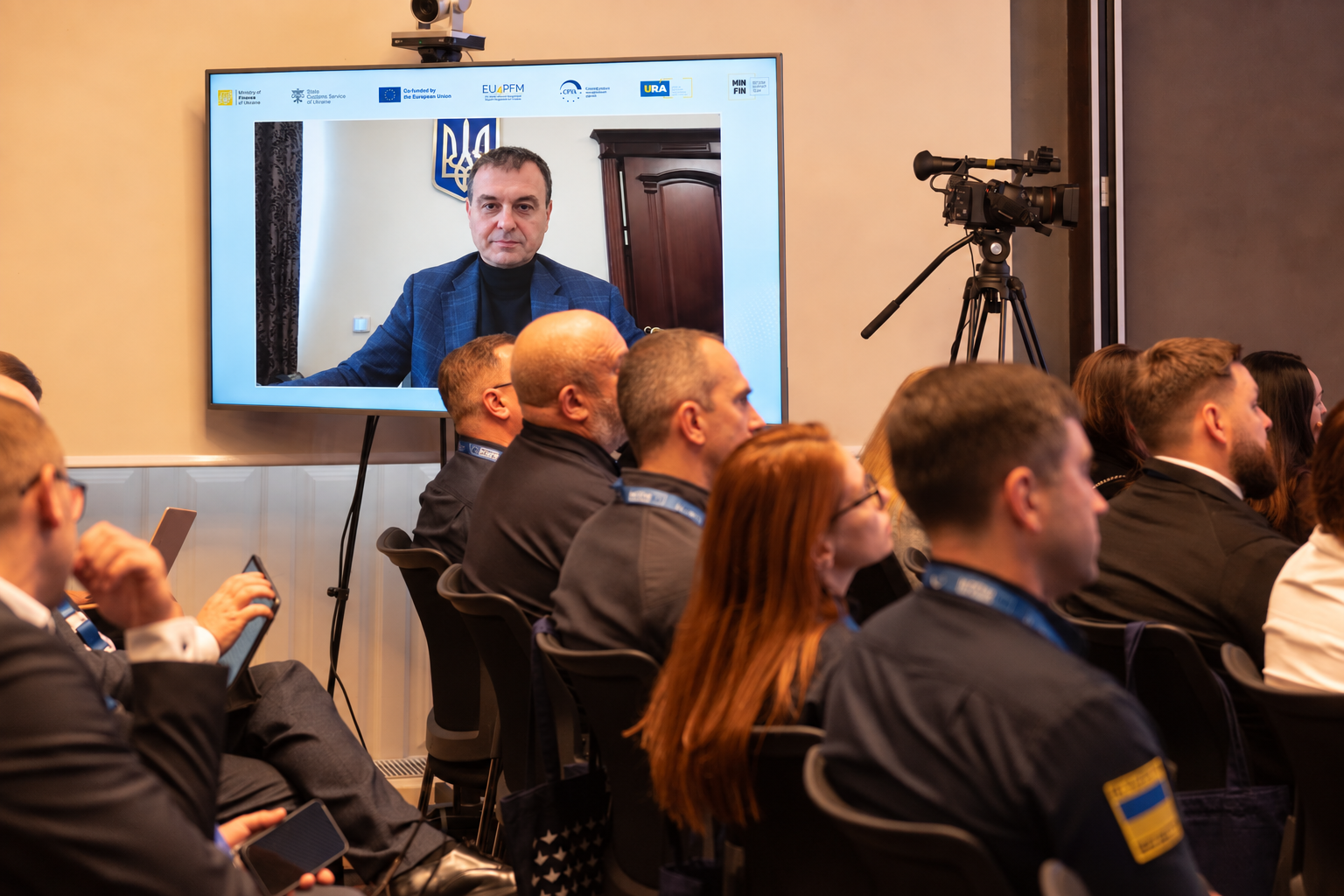
“Ukraine’s new Customs Code is not simply an update of legislation. Our task is to build a customs system that is as closely aligned as possible with the rules and practices of the European Union and ready to operate fully within the European customs area. That is why we are working on the Code in close cooperation with the European Commission, European experts, international partners, Members of Parliament, business and civil society,” said Yurii Draganchuk, Deputy Minister of Finance of Ukraine for European Integration.
He also stressed that customs reform is one of the key areas of Ukraine’s European integration. The new Customs Code should not only bring Ukrainian legislation into line with European rules, but also ensure that Ukraine’s customs system is practically ready for full integration into the European Union’s customs area. The Deputy Minister also highlighted the importance of continued coordinated efforts by the Ministry of Finance, the State Customs Service, the Verkhovna Rada, and European and international partners.
On 19 August 2026, the Verkhovna Rada adopted the draft Customs Code of Ukraine at first reading. The new Customs Code is intended to provide the legal framework for the further integration of Ukraine’s customs system into the European Union’s customs area.
During the first panel, Oleksandr Moskalenko, Director of the Ministry of Finance’s Customs Policy Department, presented the key innovations of the new Customs Code, including:
• the transition to EU customs terminology and a system of customs procedures;
• the introduction of European approaches to decision-making, customs declarations, customs debt, guarantees and duty relief;
• updated approaches to civil service;
• the establishment of a specialised customs law-enforcement unit and the introduction of the role of customs detective.
The Customs Platform is based on a three-way dialogue on the transformation of Ukraine’s customs system in preparation for Ukraine’s accession to the European Union Customs Union. Representatives of the government, business and European partners discussed the key changes and new opportunities provided by the draft Customs Code, the roadmap towards its entry into force, as well as the experience of EU Member States in implementing the EU Customs Code.
Danylo Hetmantsev, Chair of the Verkhovna Rada Committee on Finance, Tax and Customs Policy, noted that Ukraine has already fulfilled around 90% of its commitments in the customs area under the Association Agreement with the European Union. According to him, this is the result of joint European integration efforts by the Government, Parliament, international experts and business. In particular, 11 important laws aimed at European integration have been adopted since the start of the full-scale war.
“Customs is not only about taxation and customs control, but also about the country’s economic security. The new Customs Code is a complex and far-reaching document that must take wartime conditions into account, ensure appropriate conditions for taxpayers, and provide for the renewal and transformation of the customs service,” said Danylo Hetmantsev.
“Ukraine has taken on an ambitious task: to build a customs service that is compatible with EU customs administrations not only in form, but also in substance. Successful economies do not separate fiscal interests from border protection. In most EU countries, customs authorities have strong investigative powers, because this is about protecting the financial interests of both the state and the European single market. The new Customs Code of Ukraine establishes the model under which we will operate for decades to come, so law-enforcement powers must become an integral part of it,” emphasised Orest Mandziy, Head of the State Customs Service of Ukraine.
He added that one of the distinctive features of the draft Customs Code is the full involvement of business representatives in its drafting. After all, the quality of customs procedures depends on how clear, predictable and workable they are.
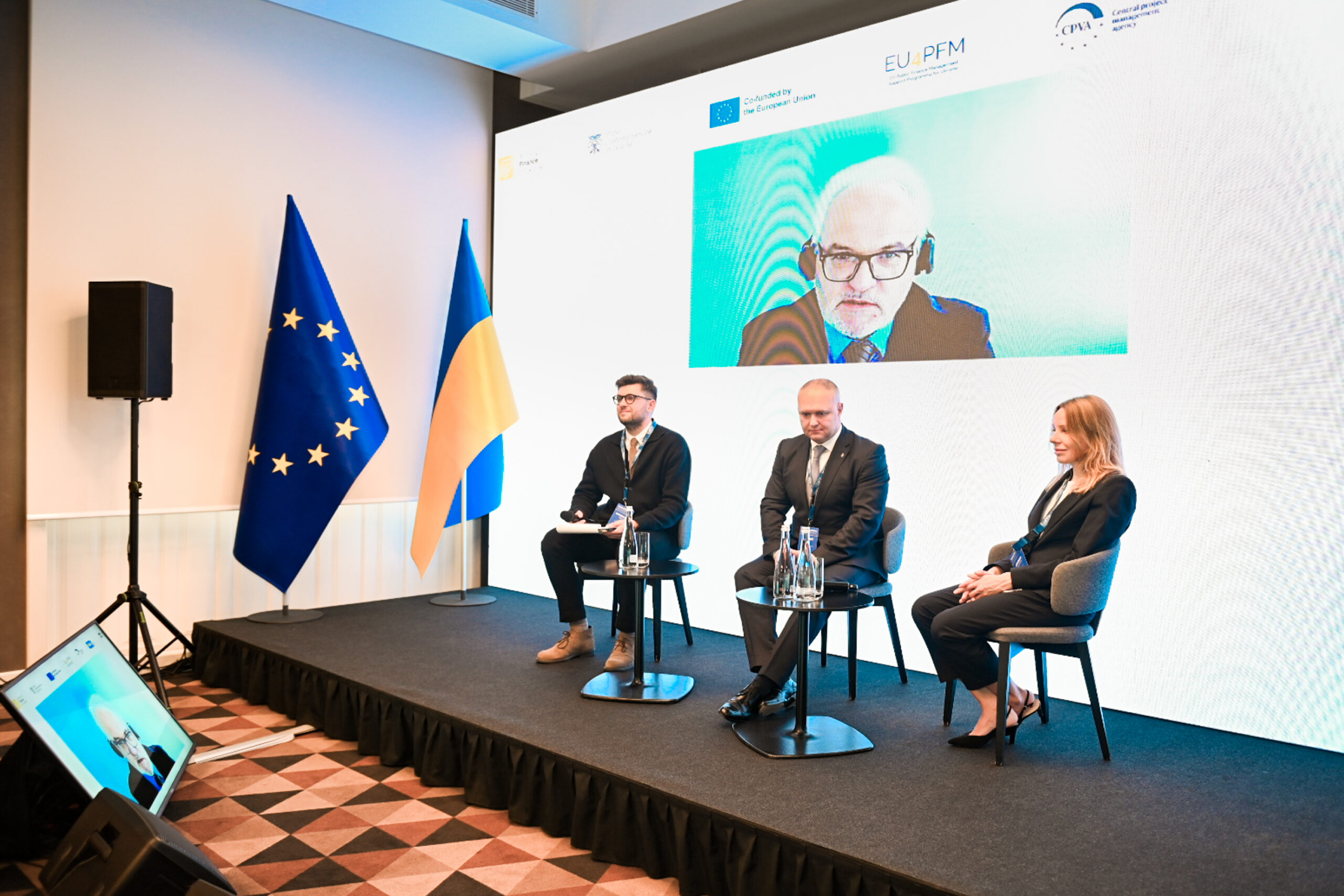
Tomasz Michalak, representing the European Commission’s Directorate-General for Taxation and Customs Union (DG TAXUD), welcomed Ukraine’s progress in preparing the draft Customs Code and expressed hope that the Verkhovna Rada would adopt the document in its final form by the end of this year. He stressed the importance of providing Ukrainian customs authorities with the necessary powers, including in the area of law enforcement, to enable effective cooperation with their EU counterparts. He also confirmed the European Commission’s readiness to continue providing comprehensive support and to work with Ukraine on further aligning its legislation.
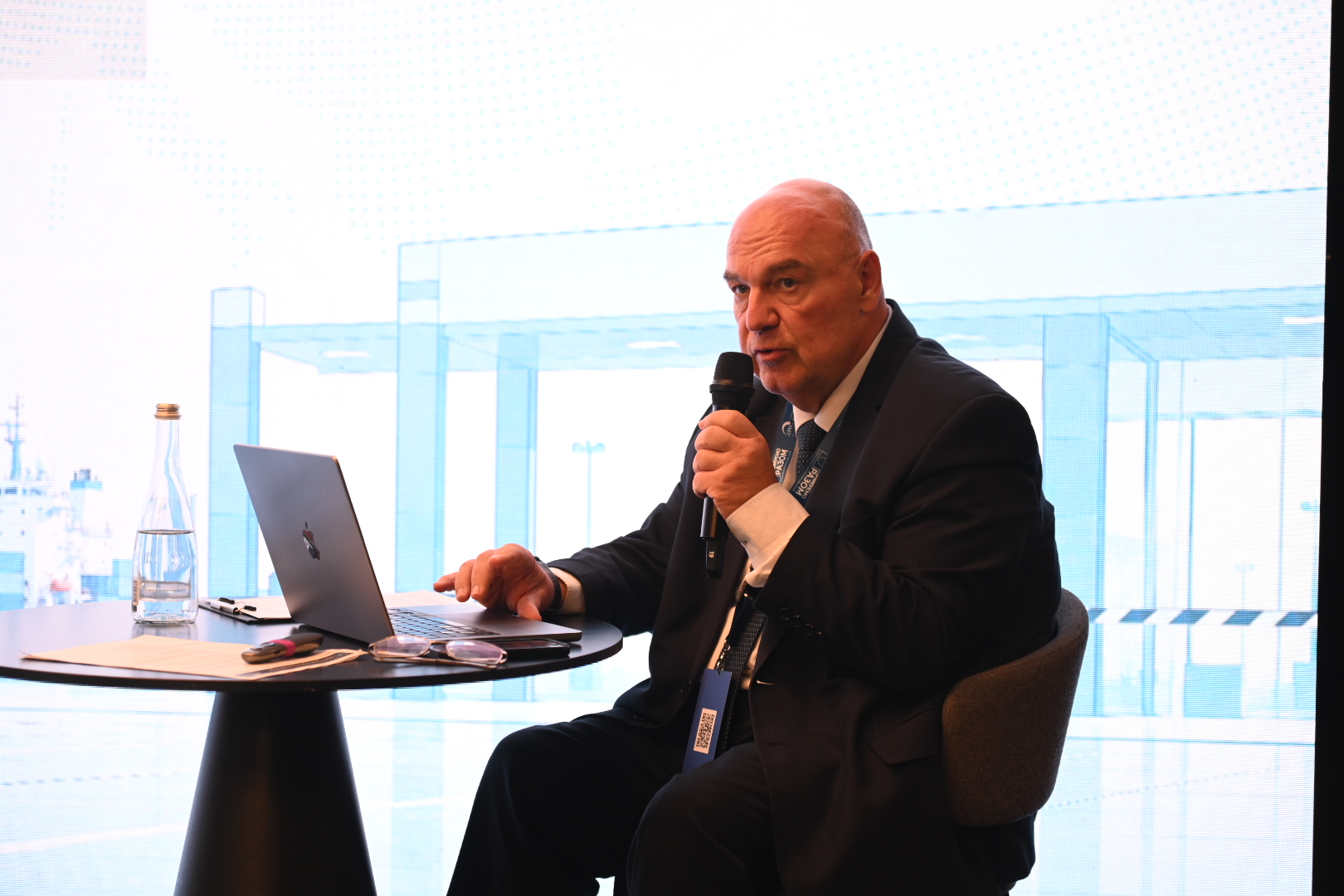
“The experience of countries that brought their customs legislation into line with European standards before joining the EU helps identify the main risks that Ukraine should take into account. Of the three key elements – drafting and adopting the new Customs Code, preparing and adopting secondary legislation, and developing and internationally testing IT systems – the IT component is the most complex. Its implementation will take up to two years and require significant resources. The timelines are very tight. At the same time, the EU stands ready to continue providing Ukraine with expert and technical support,” said Vytenis Ališauskas, International Key Customs Expert of the EU Public Finance Management Support Programme for Ukraine (EU4PFM).
The event had a strong practical focus. Participants discussed further work on the draft Customs Code ahead of its second reading – with 3,500 amendments currently proposed – as well as its subsequent implementation following adoption by the Verkhovna Rada. It was noted that the draft law provides businesses with sufficient time to transition to European customs rules, while most of the necessary EU-alignment amendments have already been introduced into the existing customs legislation to enable a gradual transition.
Particular attention was also given to pressing operational issues facing the customs service, including the technical equipment of border crossing points and the search for new logistics solutions amid falling river water levels and the destruction of Ukraine’s port infrastructure by Russia.
Other participants in the discussions included Anastasiia Einemann, Head of Public Finance Management Projects at the EU Delegation to Ukraine; Members of Parliament Oleksandr Sova, Oleksandr Kovalchuk, Nina Yuzhanina and Halyna Vasylchenko; Jurgita Domeikiene, Team-Leader of Components 1, 3 and 4 of the EU4PFM Programme; Tetiana Ostrikova-Chmeruk, Head of the Working Group for consultations on the draft Customs Code of Ukraine; as well as representatives of the European Business Association, the American Chamber of Commerce in Ukraine and others.
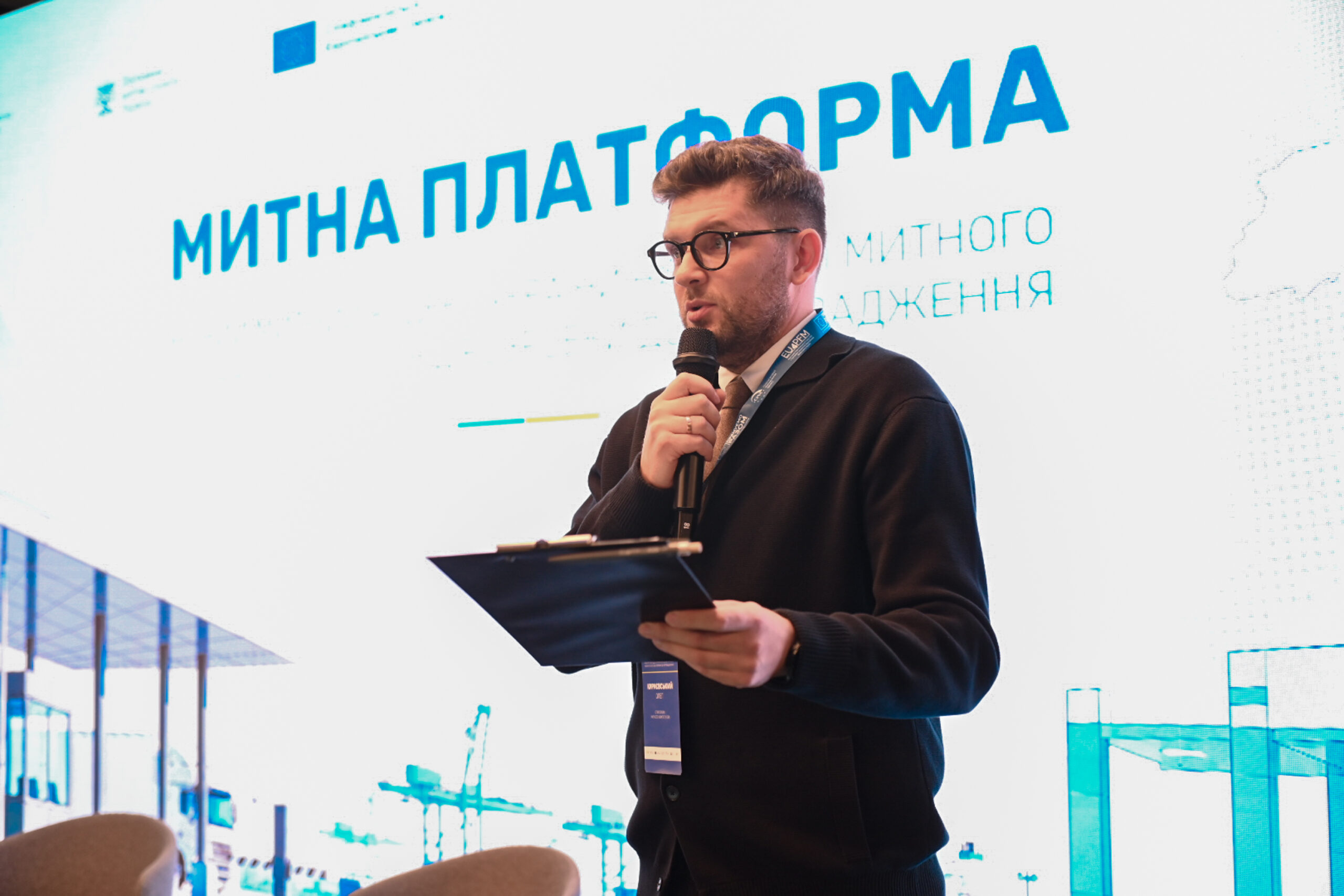
The event was moderated by Oleh Kyryievskyi, Co-Chair of the European Business Association Customs Committee; Oleksandr Moskalenko, Director of the Ministry of Finance’s Customs Policy Department; and Vytenis Ališauskas, International Key Customs Expert of the EU4PFM Programme.
Speakers highlighted the strong cooperation between the government, business and international partners in preparing the draft Customs Code and stressed the importance of transparency throughout the customs reform process.
The third Customs Platform was organised by the Ministry of Finance of Ukraine jointly with the State Customs Service of Ukraine, the EU Public Finance Management Support Programme for Ukraine (EU4PFM), and the Reform Support Team under the MoF of Ukraine.
The Customs Platform has traditionally served as a professional forum for discussing key issues related to customs policy and Ukraine’s integration into the European Union’s customs area. It was launched in 2022, with the second edition held on 19 March 2026. The first events focused on Ukraine’s accession to the Convention on a Common Transit Procedure (NCTS) and customs simplifications.