The Steering Committee has approved the draft of the new Customs Code of Ukraine, taking into account the comments and proposals from European Commission services the business community
The Steering Committee for the development of a new Customs Code of Ukraine has approved the revised draft, taking into account comments from the European Commission services and proposals from the business community. The document has now started its way towards the Cabinet of Ministers and will subsequently be submitted to the Verkhovna Rada of Ukraine.
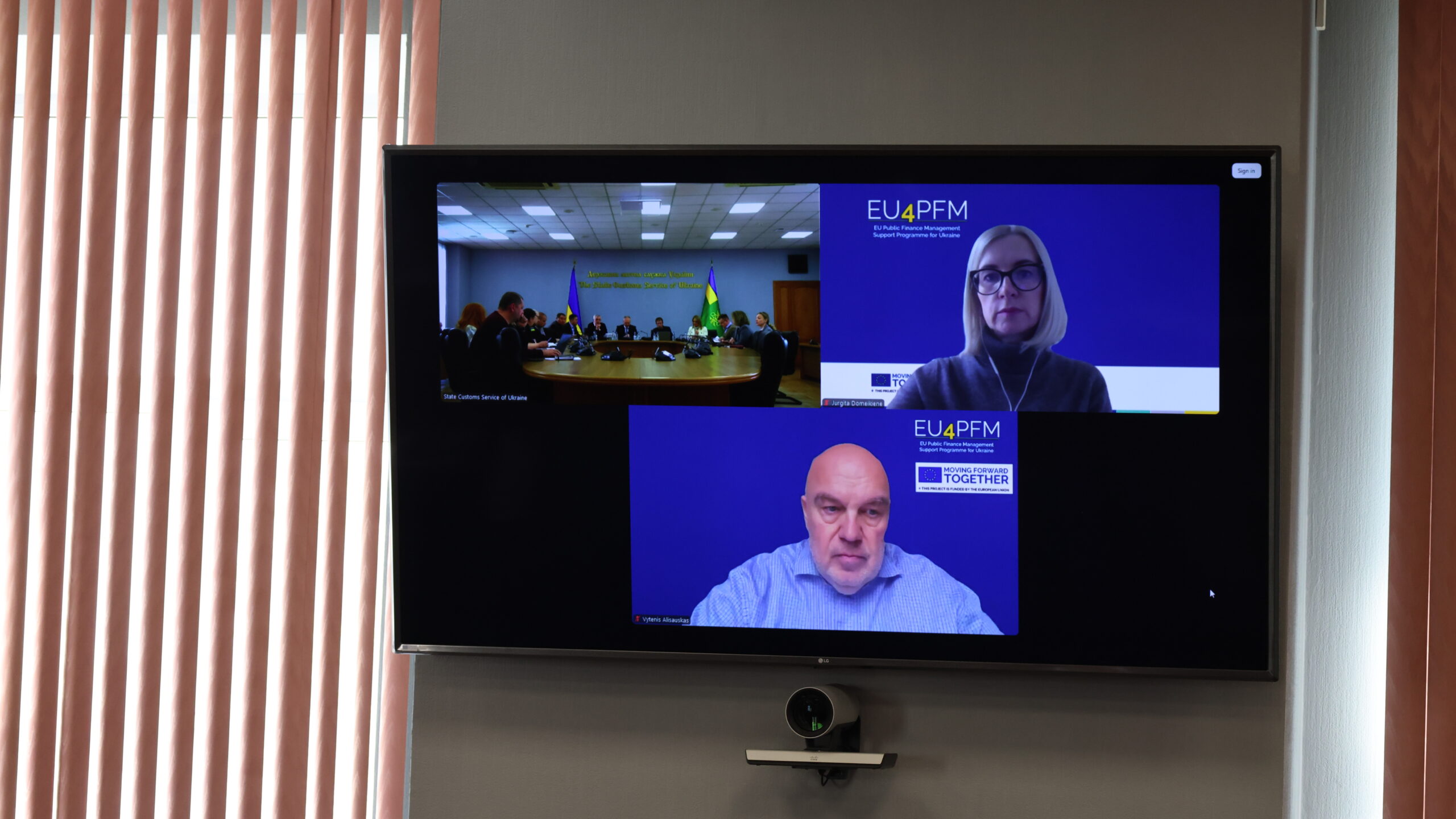
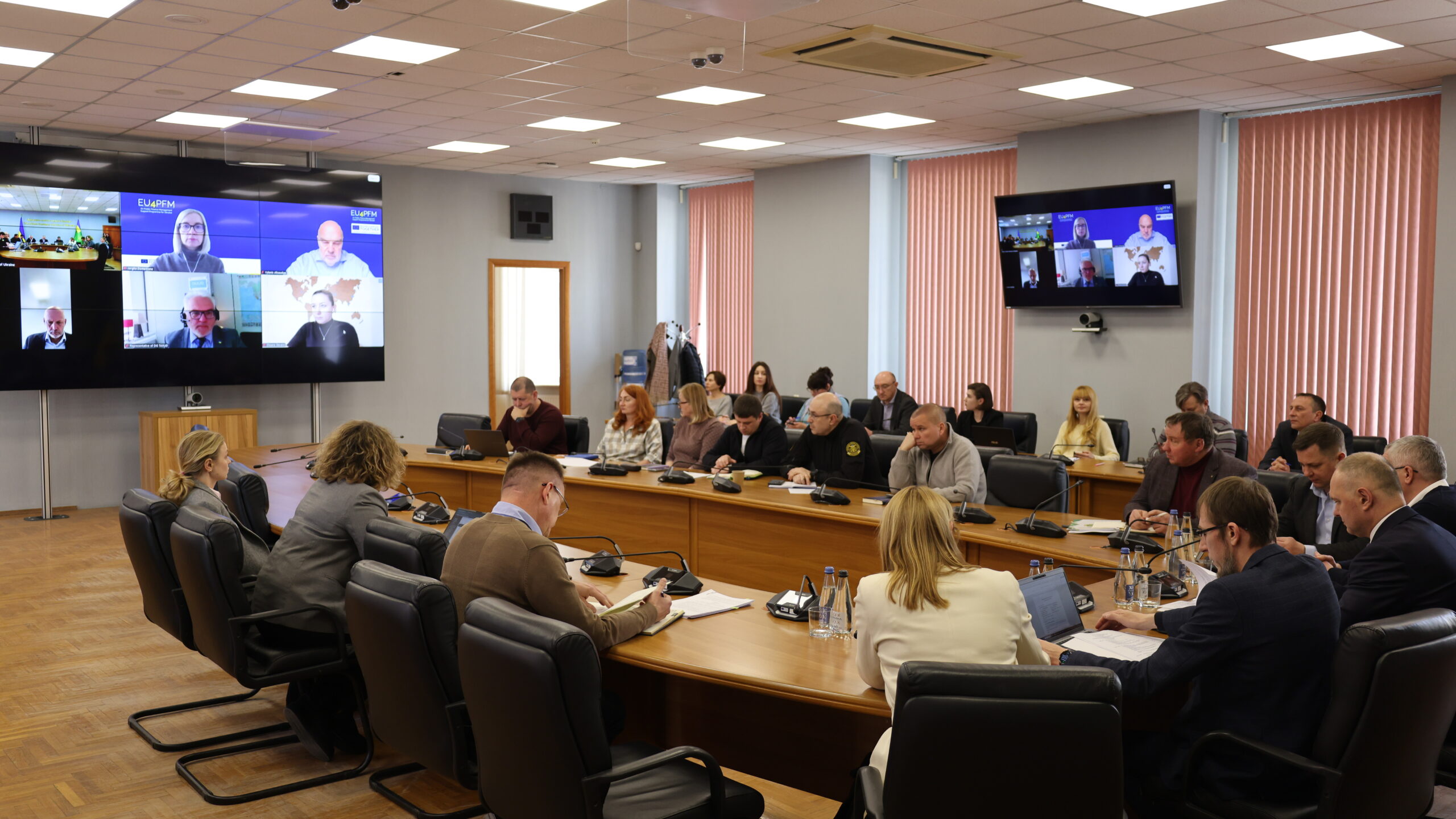
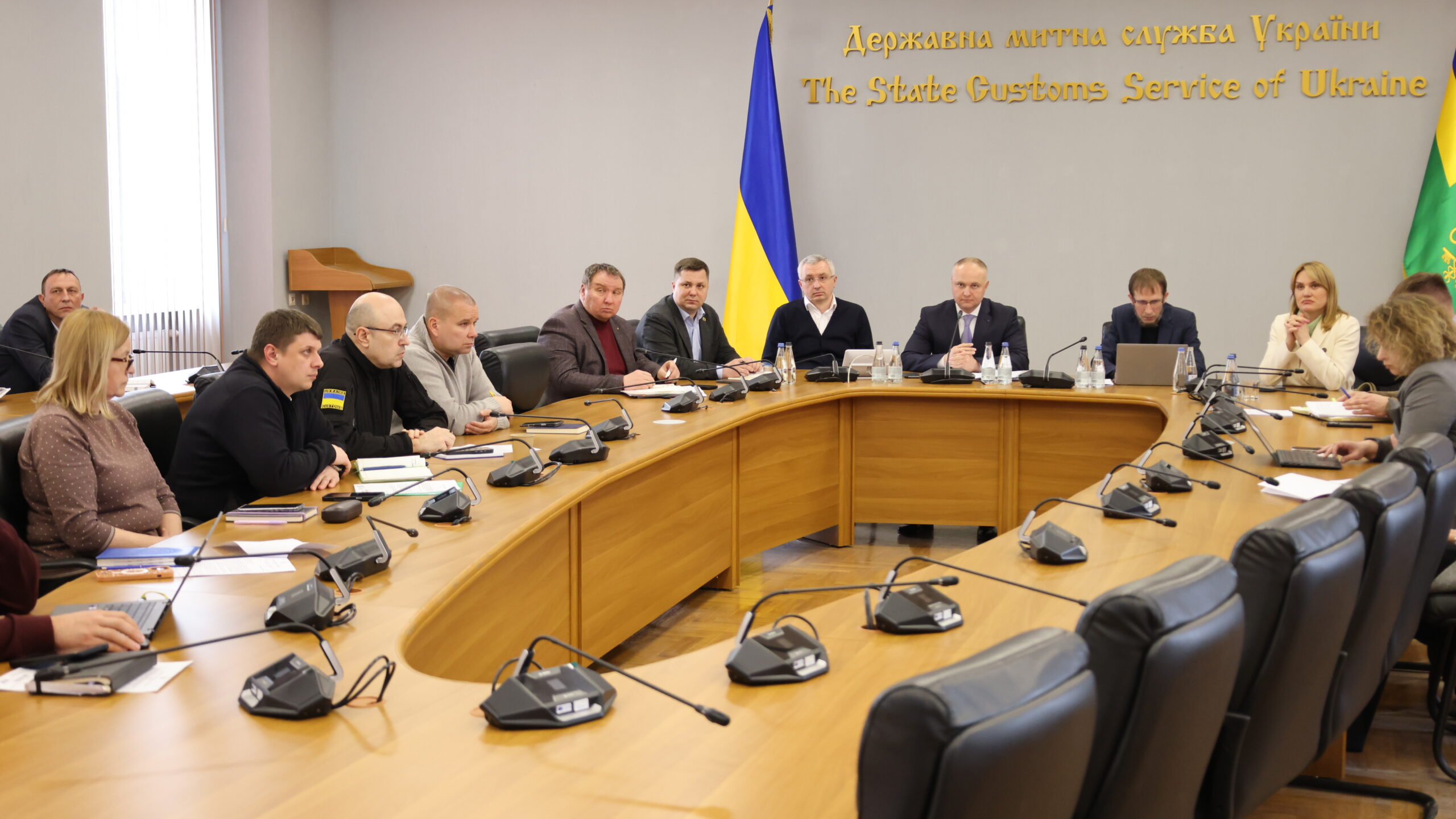
The decision was taken during a Steering Committee meeting with participation from the Ministry of Finance, the State Customs Service, DG TAXUD, and the EU Delegation to Ukraine, as well as representatives of the business community and EU4PFM experts.
Among those contributing to the discussion were Yuriy Draganchuk, Deputy Minister of Finance for European Integration; Henrik Huitfeldt, Head of Section for Public Finance, Business Support, and Social Policies at the EU Delegation to Ukraine; Orest Mandziy, Head of the State Customs Service; Tetiana Ostrikova-Chmeruk, Head of the business-led working group on the draft; Tomasz Michalak, representative of DG TAXUD, European Commission; Jurgita Domeikienė, Team-Leader of EU4PFM Programme Components 1, 3 and 4; and Vytenis Ališauskas, EU4PFM Key International Expert on Customs.
Developing a new Customs Code aligned with the EU Customs Code is a key recommendation in the European Commission’s Enlargement Report under Chapter 29 “Customs Union”. Progress by 1 September 2026 will be reflected in the next assessment of Ukraine’s readiness for EU accession.
Henrik Huitfeldt expressed hope for a constructive parliamentary process, underlining the political importance of this reform for EU accession.
Oleksandr Moskalenko outlined that the draft is structured in line with the EU Customs Code while reflecting national legal specifics. It is currently undergoing interagency review and legal examination and is expected to be submitted to the Government shortly.
Vytenis Ališauskas noted that implementing EU-aligned customs legislation requires three parallel tracks: adoption of the new Customs Code and secondary legislation, alongside the development, testing, and rollout of supporting IT systems. He stressed that all three must advance simultaneously to ensure timely and effective implementation.
The draft of a new Customs Code, aligned with the EU Customs Code, is a join result of extensive work, supported by EU4PFM experts, DG TAXUD input, Reform Support Team of the MoF and intensive consultations with businesses.