What Can Ukraine Learn from Croatia on Public Internal Financial Control? EU4PFM-Supported Study Visit Begins
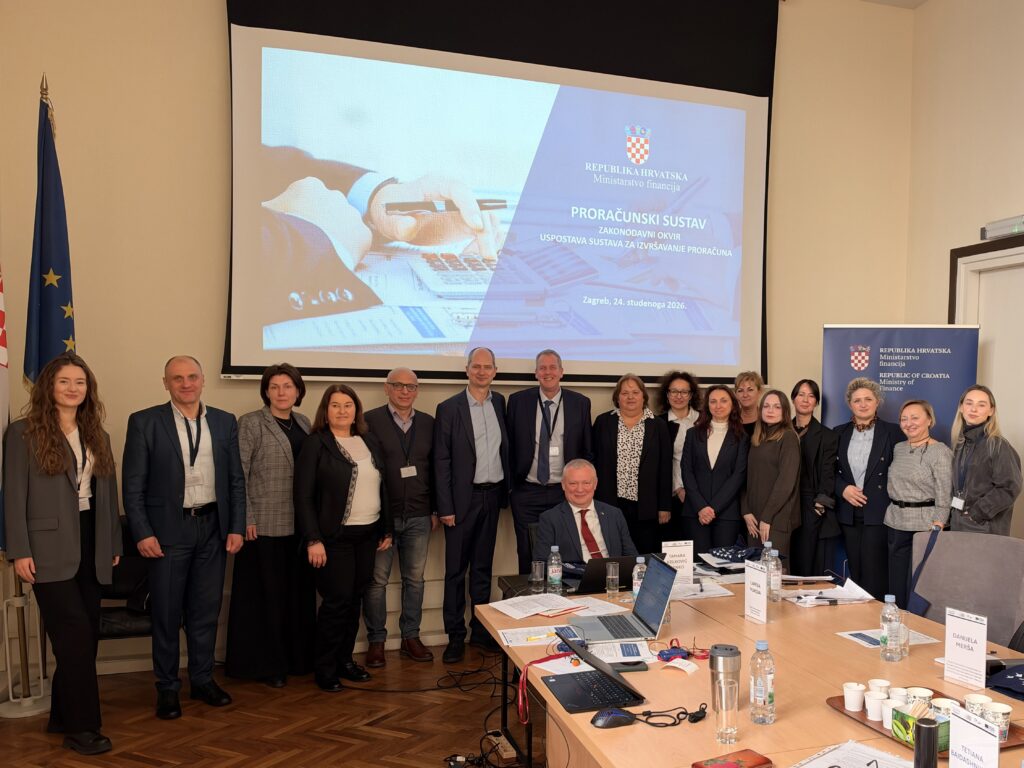
A three-day study visit to Croatia began today, organised by EU4PFM experts for partners of Ukraine’s Ministry of Finance. The Ukrainian delegation includes officials of the Ministry’s departments on harmonisation of Public Internal Financial Control (PIFC), on budget expenditures for government authorities, and on state budget.
The visit aims to familiarise participants with Croatia’s PIFC system and facilitate an exchange of experience with an emphasis on the linkage between managerial accountability, budgetary processes and internal control systems. Neither country has a perfect system, and the goal over these three days is to identify practices that Ukraine could adapt to strengthen its own approach on its path to EU-accession.
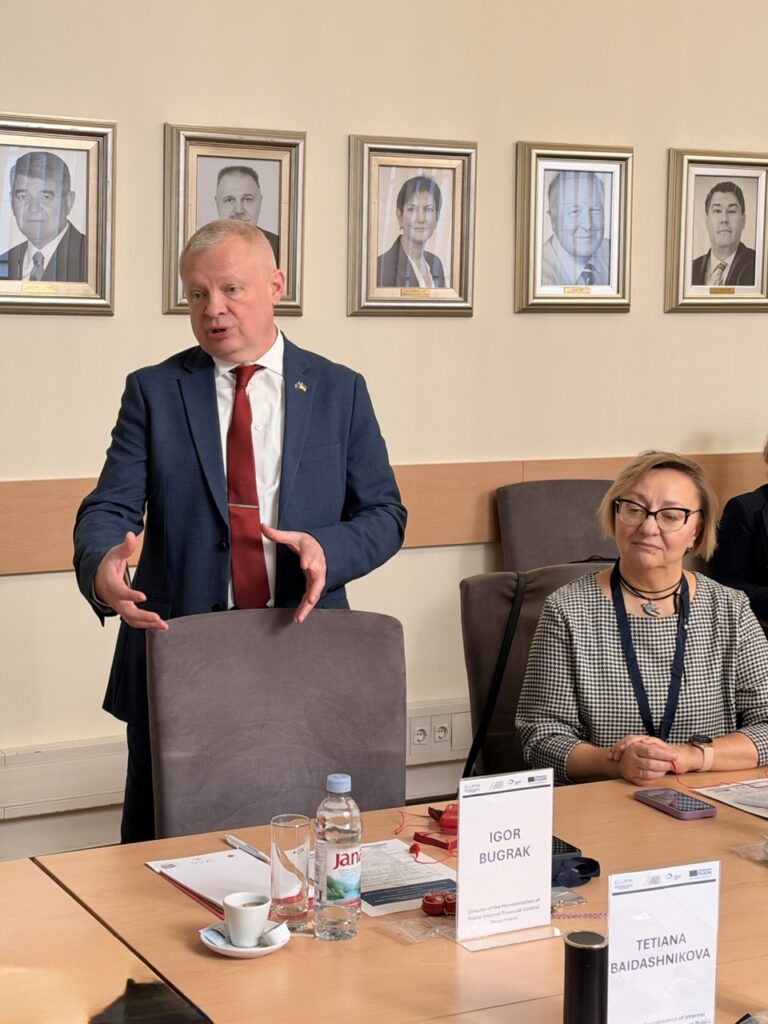
Igor Bugrak, Head of the PIFC Harmonisation Department at the Ministry of Finance of Ukraine, thanked Croatian colleagues and EU4PFM experts for the opportunity to exchange experience and underlined the importance of the visit. He noted that the European Commission’s latest Enlargement Report highlighted both Ukraine’s progress and the areas requiring further improvement on its path towards EU membership – from the legal framework to practical issues such as the delegation of authority.
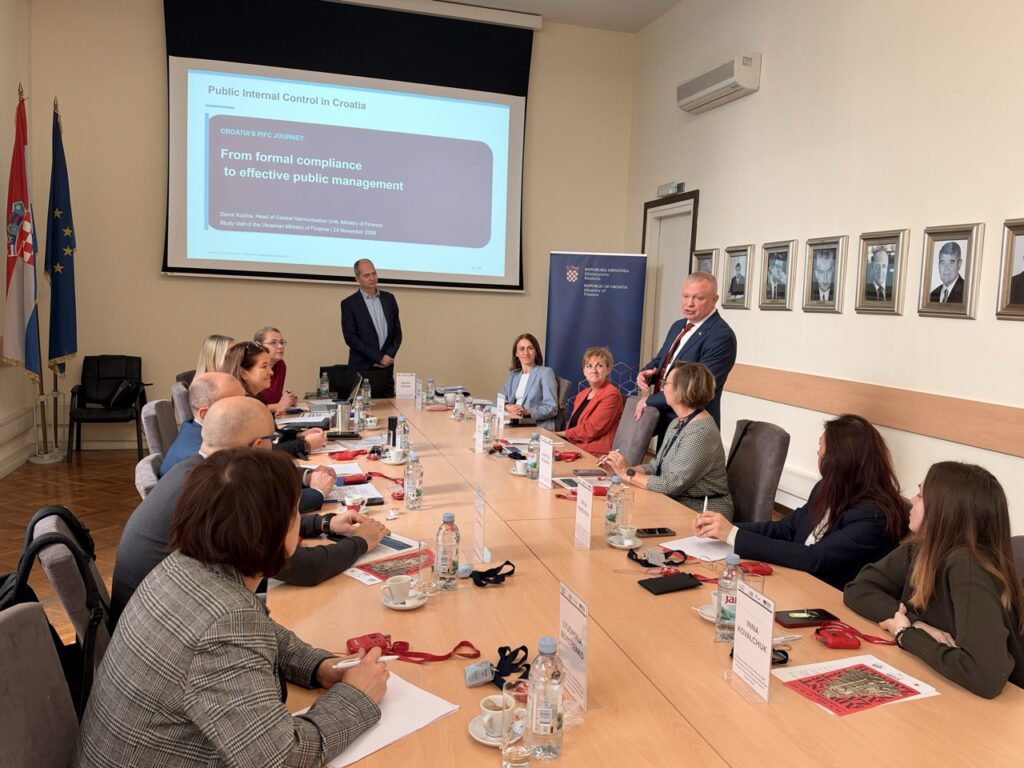
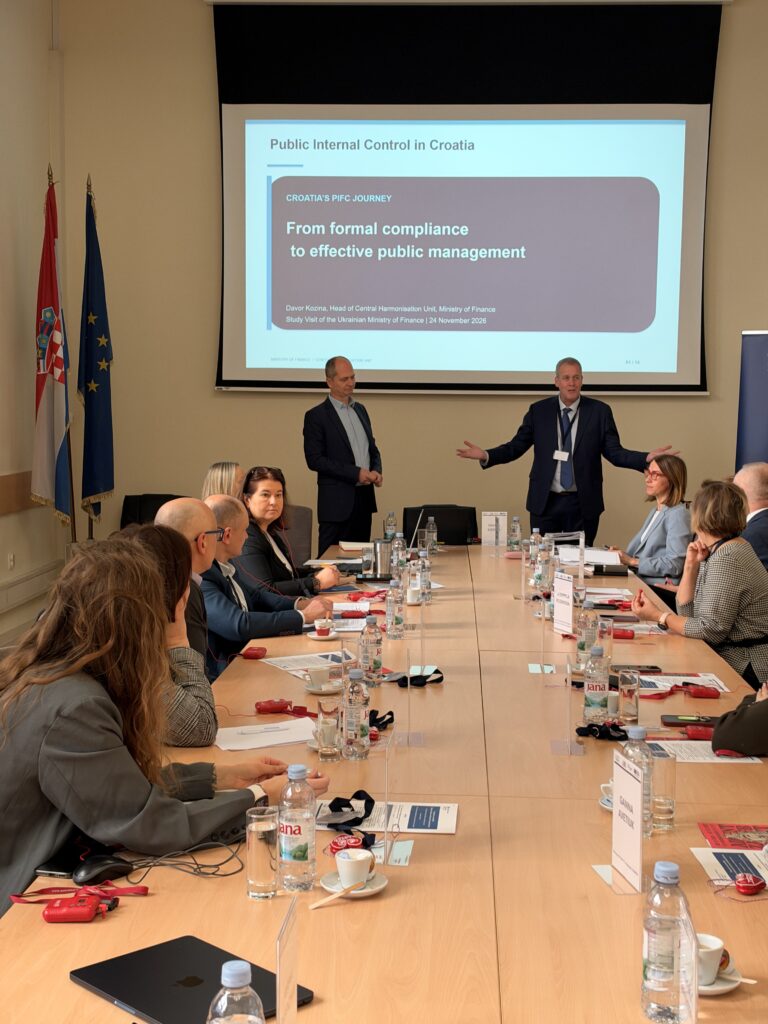
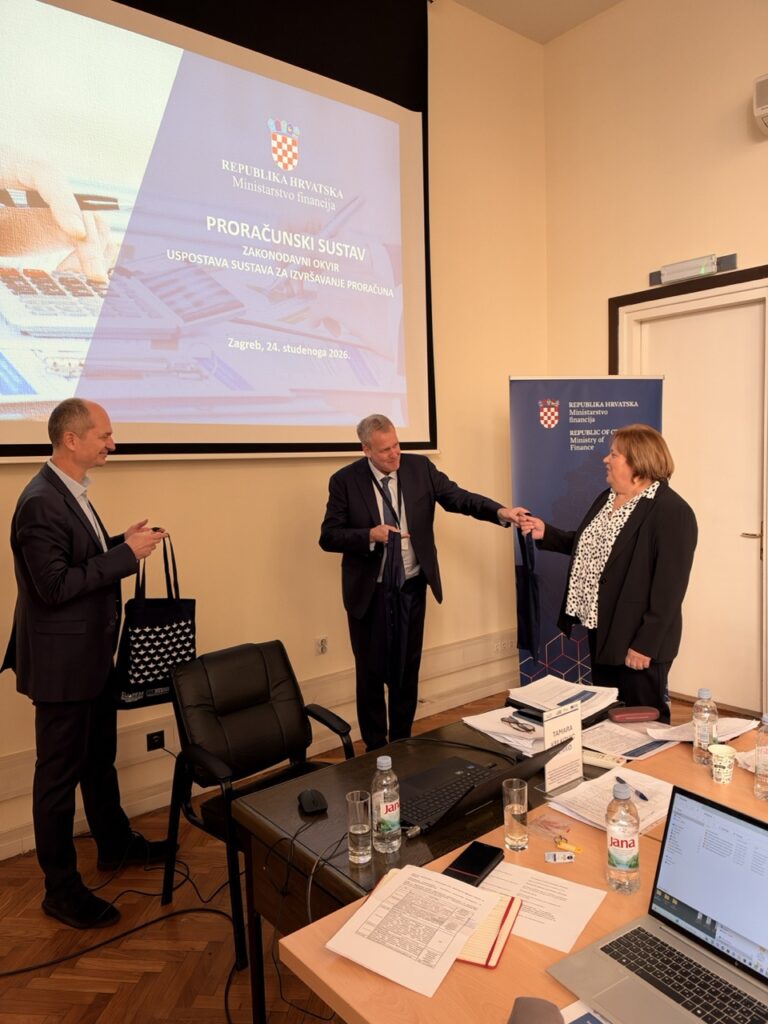
The first day focused on Croatia’s approach to managerial accountability, budget management and the delegation of authority. Davor Kozina, Head of the Central Harmonisation Unit (CHU) at the Croatian Ministry of Finance, outlined how the country’s PIFC system had developed over time.
In 2003–2004, PIFC was largely a set of instructions. Audits focused on whether expenditure had been used for its intended purpose, with little attention paid to results or whether resources could have been used more efficiently. The approach gradually shifted towards setting objectives linked to actual outcomes – a change that proved particularly challenging.
Between 2004 and 2008, Croatia established the legal and institutional foundations of PIFC while also transforming its approach to management. This change in mindset was one of the reform’s key challenges.
Croatia’s ambition to join the EU provided strong motivation to develop internal control systems across different sectors. However, Davor Kozina stressed that adopting legislation to meet the requirements of Chapter 32 of the EU accession negotiations was not enough. It was also necessary to understand how to improve the system in practice. And the reform did not stop with EU accession: PIFC continued to evolve after Croatia joined the EU.
He also emphasised that the CHU cannot deliver reform on its own. Progress under Chapter 32 is closely linked to developments in other areas, particularly programme-based budgeting, strategic planning and managerial accountability. An effective PIFC system brings these three elements together.
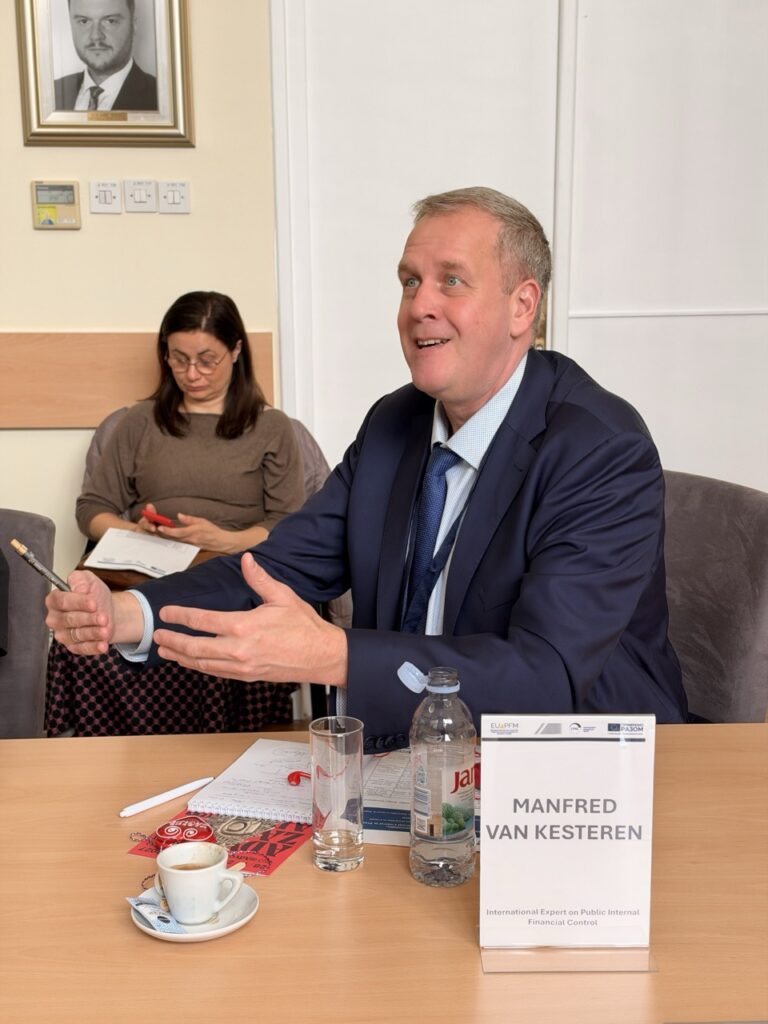
Manfred van Kesteren, EU4PFM International Expert on PIFC, highlighted the importance of understanding managerial accountability – a recurring topic in SIGMA reports and other EU assessments. He invited participants to discuss how authority can be delegated in practice, rather than simply meeting formal legal requirements. He also stressed that sound managerial accountability asks for coordination and alignment between the functions that are part of this study visit.
A key lesson from Croatia’s experience emerged from the discussion: if no one asks about results, there is nothing to delegate. Changing this mindset required a catalyst. To turn knowledge into practice, the CHU organised workshops and presentations where colleagues who had achieved tangible results shared their experience with others. The involvement of senior management was equally important. Managers attended these events and spoke about the results they had achieved.
The process was backed by strong support from both the Minister, who provided political leadership, and the Ministry of Finance as a whole. This helped establish a practical framework for improving the system.
The role of the harmonisation unit, therefore, is not to remain behind a desk, but to engage with colleagues, communicate regularly and share good practices. This, Davor Kozina noted, was key to Croatia’s progress.
The first day also covered budget planning and execution in the context of managerial accountability.
8 lessons from Croatia’s experience in implementing PIFC:
- The development of PIFC depends on PFM reform, the development of strategic planning and public administration reform.
- Legislation is necessary, but effective implementation makes the difference.
- Internal control is a management responsibility, not just a function of the finance department.
- The CHU provides support and coordination but does not replace management.
- Risk management must support real decisions.
- PIFC reform continues after EU accession.
- National control mechanisms, PIFC and controls over EU funds should be integrated rather than organised into unnecessary parallel systems.
- The focus should be on the entire management system, not just the existence of procedures and registers.
On the second day, participants will explore how Croatia put the requirements for managerial accountability and internal control into practice.