AMCU and the Procurement community in dialogue: EU4PFM brought stakeholders together again to advance reform
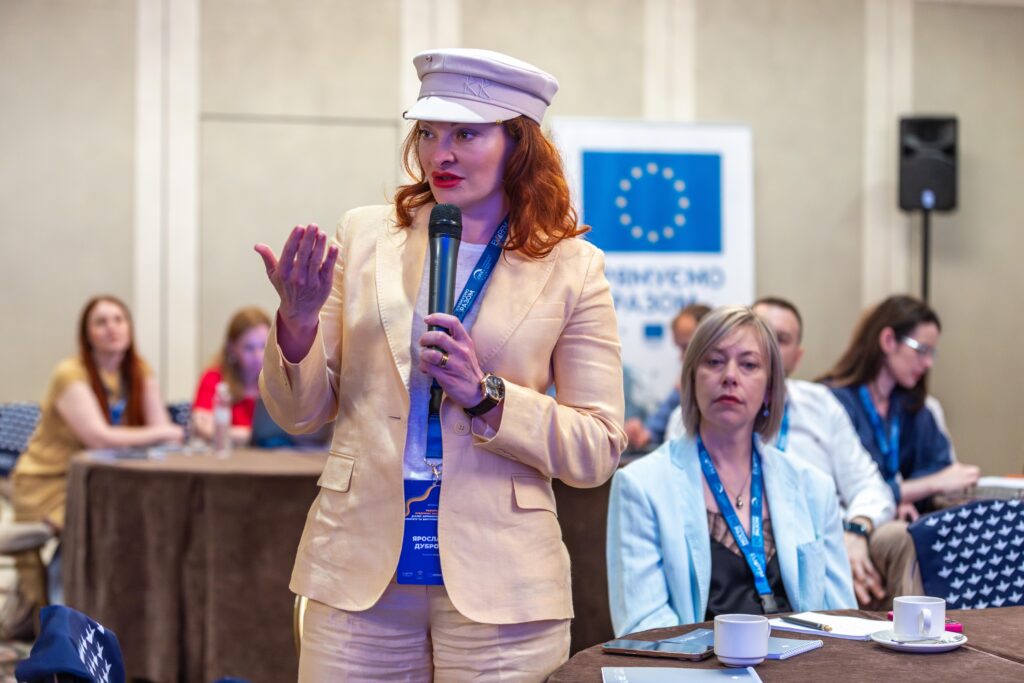
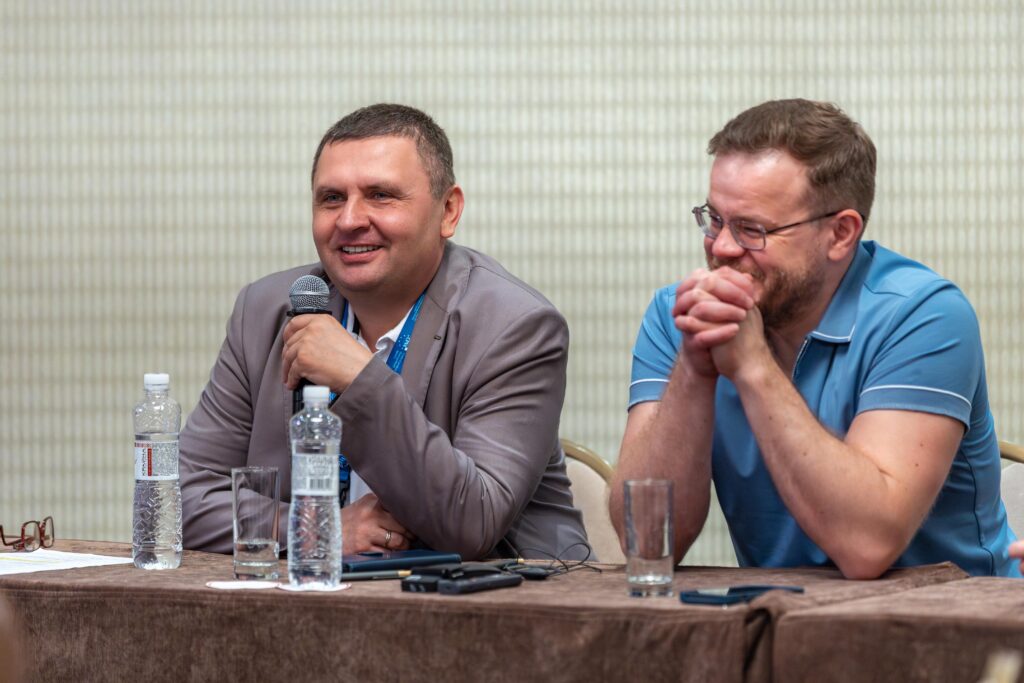
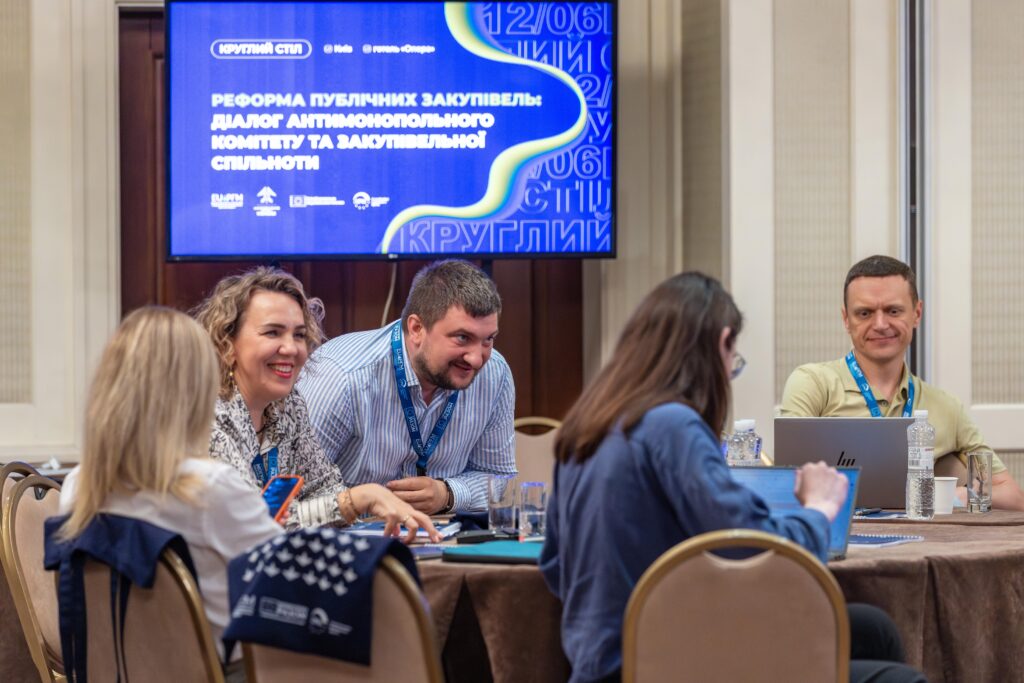
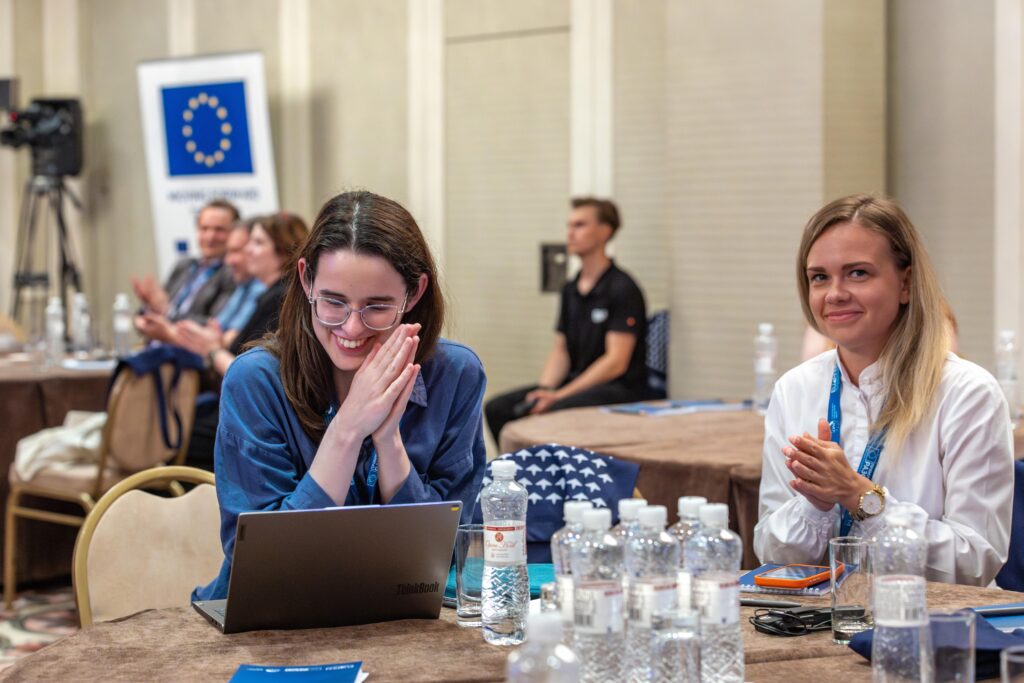
The EU4PFM Public Procurement Component held the second event within its roundtable series, launched in April, dedicated to public procurement reform. It was centred on dialogue between the Antimonopoly Committee of Ukraine (AMCU) and the procurement community.
The series aims to foster structured, candid exchange among stakeholders who share a common goal: building a transparent, efficient and competitive public procurement system that delivers best value for money. The format helps identify gaps in legislation and practice, and brings stakeholders together to work out solutions.
The second roundtable focused on an open discussion of various aspects of AMCU’s work — the state body that combines the functions of reviewing procurement complaints and combating bid rigging.
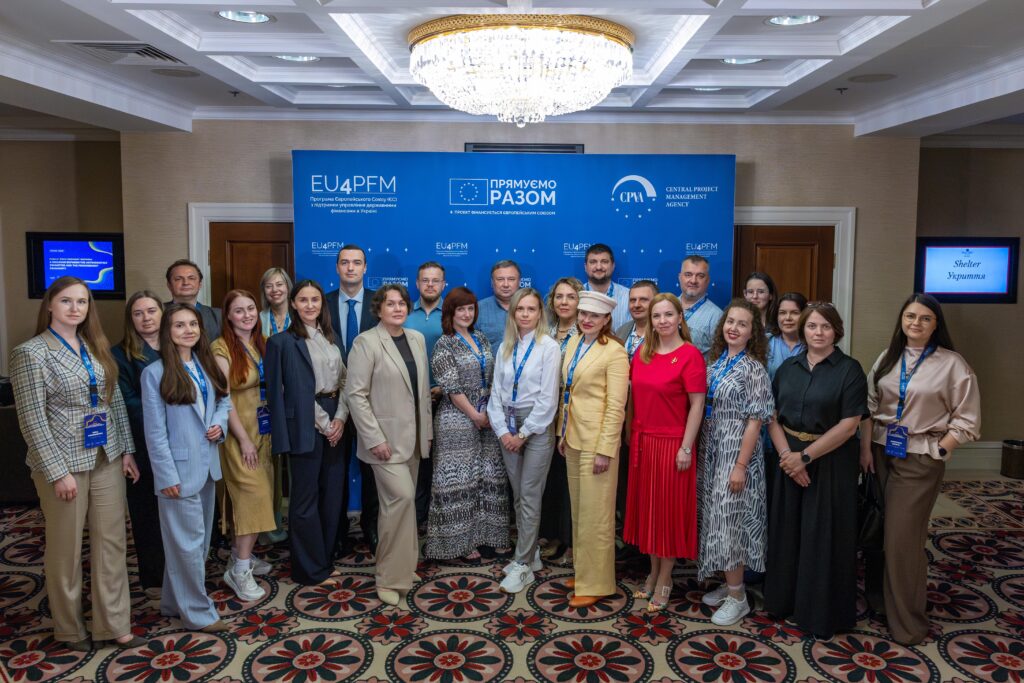
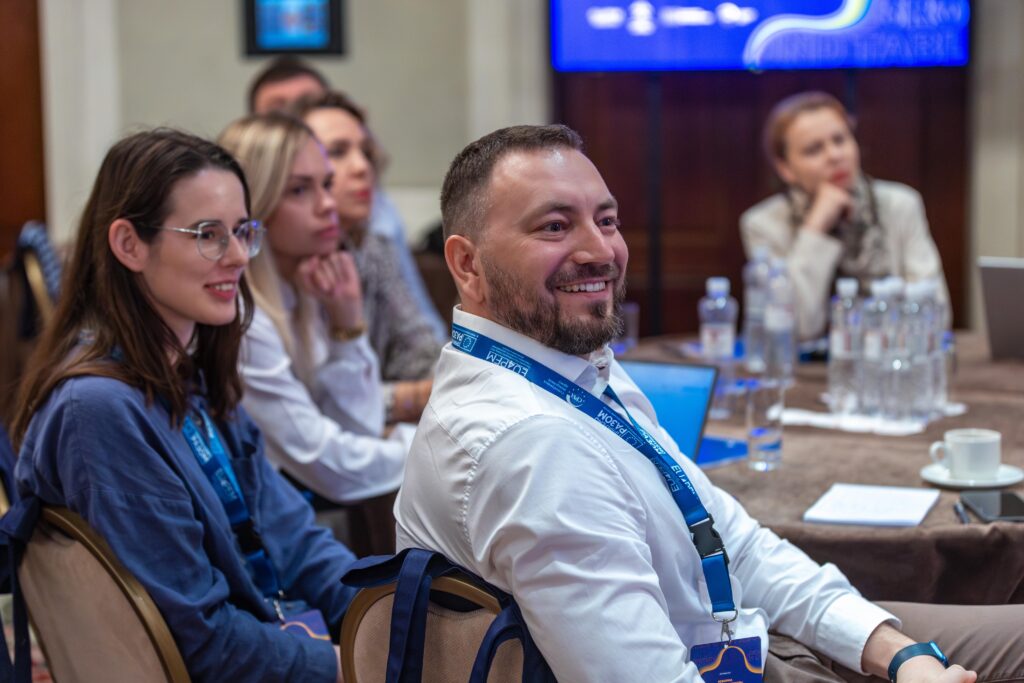
Participants included representatives of AMCU, the Ministry of Economy, Environment and Agriculture, the State Audit Service, Prozorro, the Kyiv School of Economics, TI Ukraine, the NGO Public Control, practising procurement professionals and the expert team of the EU4PFM Procurement Component.
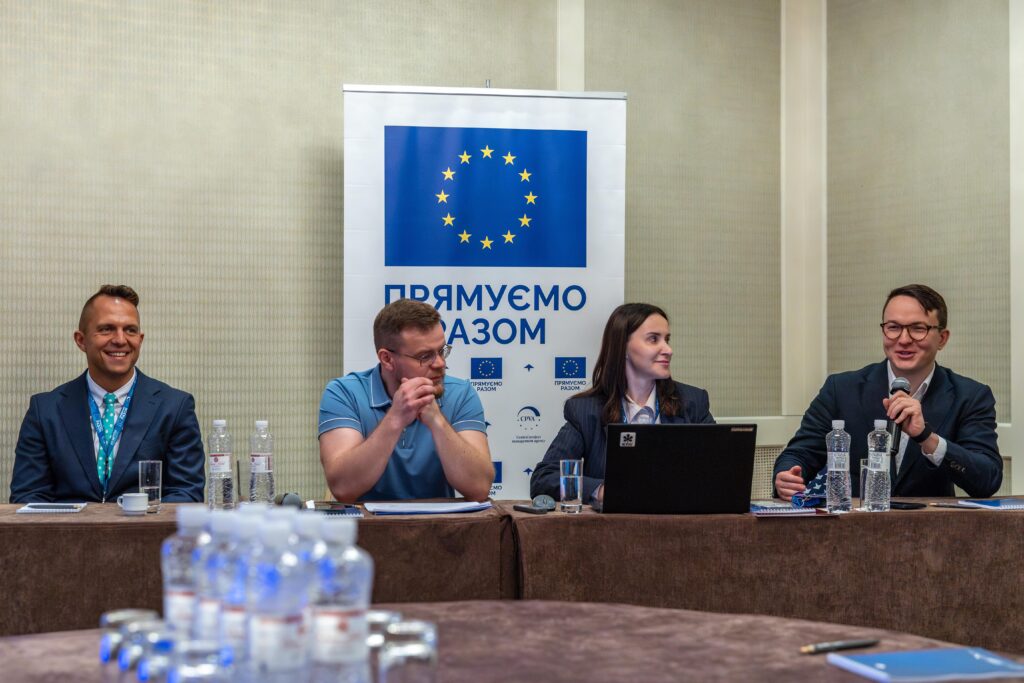
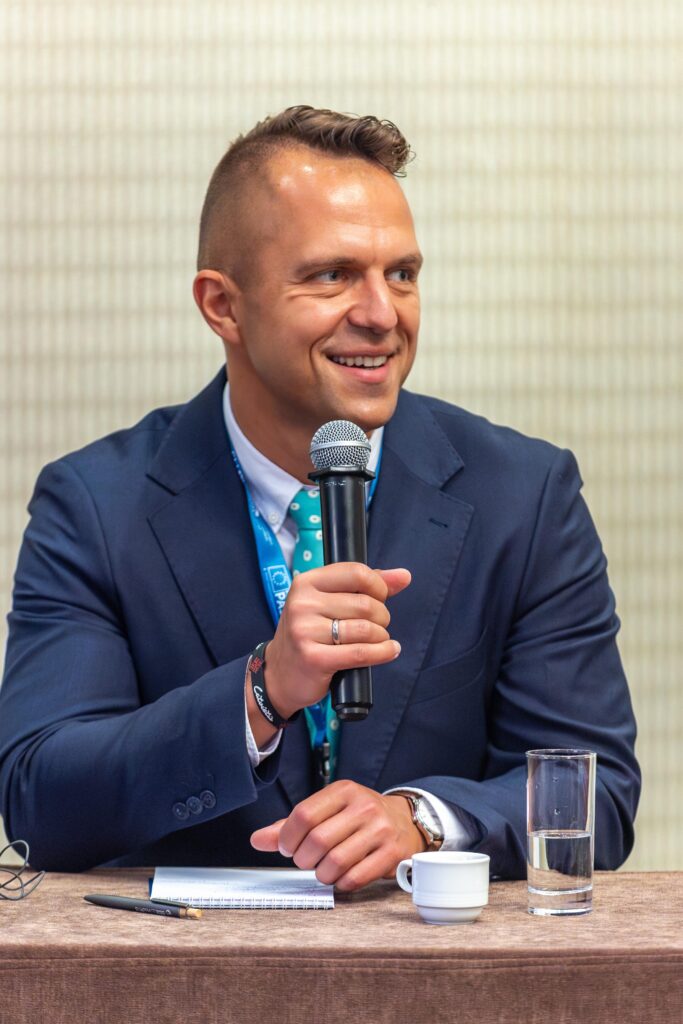
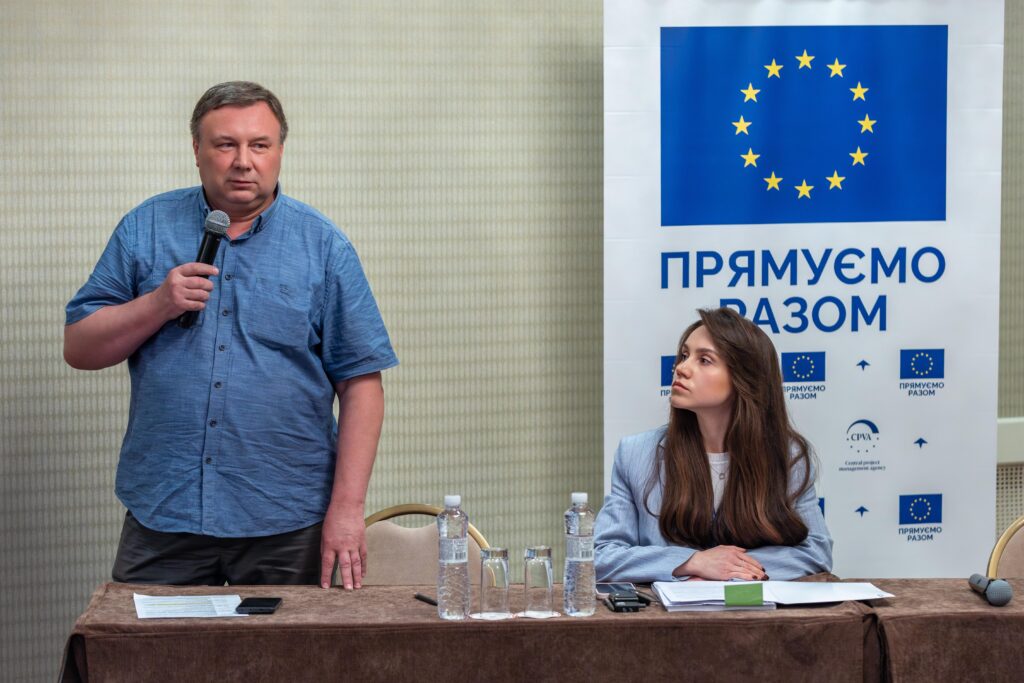
With the new edition of the Public Procurement Law now adopted, there is much work ahead. In opening remarks, EU4PFM Procurement Component Team Leader Eriks Mezalis noted:
“We are now in a very active phase of Ukraine’s EU accession process. On June 15, Ukraine and the European Union officially launched negotiations on the ‘Fundamentals’ cluster – and public procurement is at its core. Today’s discussion on procurement review and remedies is therefore directly aligned with EU public procurement legislation. AMCU has consistently received high marks in independent assessments, from OECD SIGMA to the European Commission, precisely because it functions as an independent review body that delivers swift and efficient outcomes. We look forward to partnering with you in EU4PFM Phase III.”
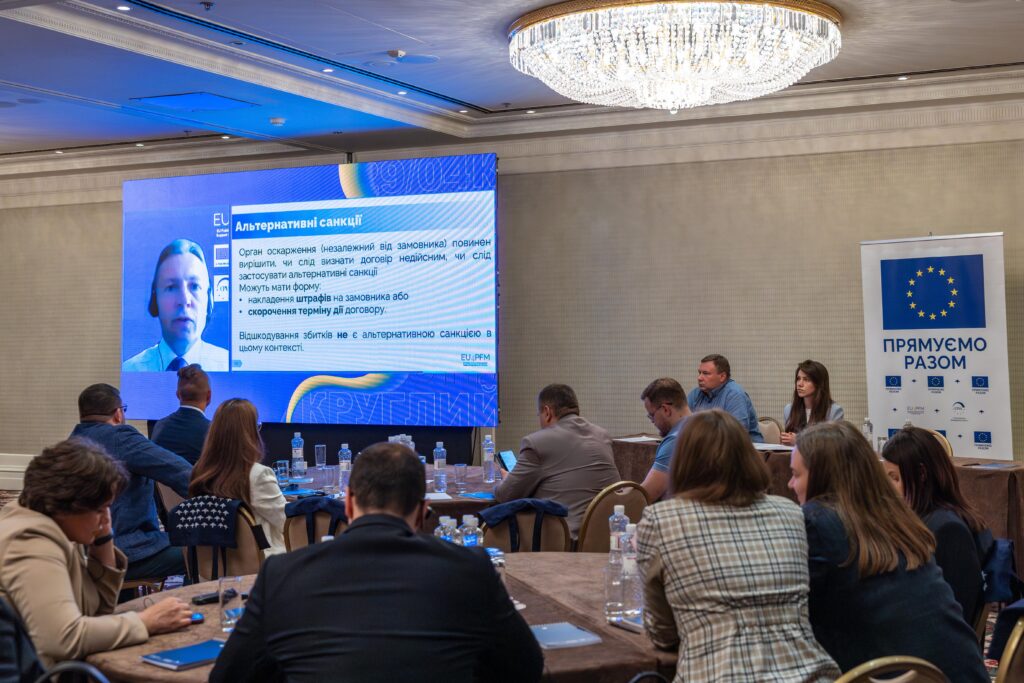
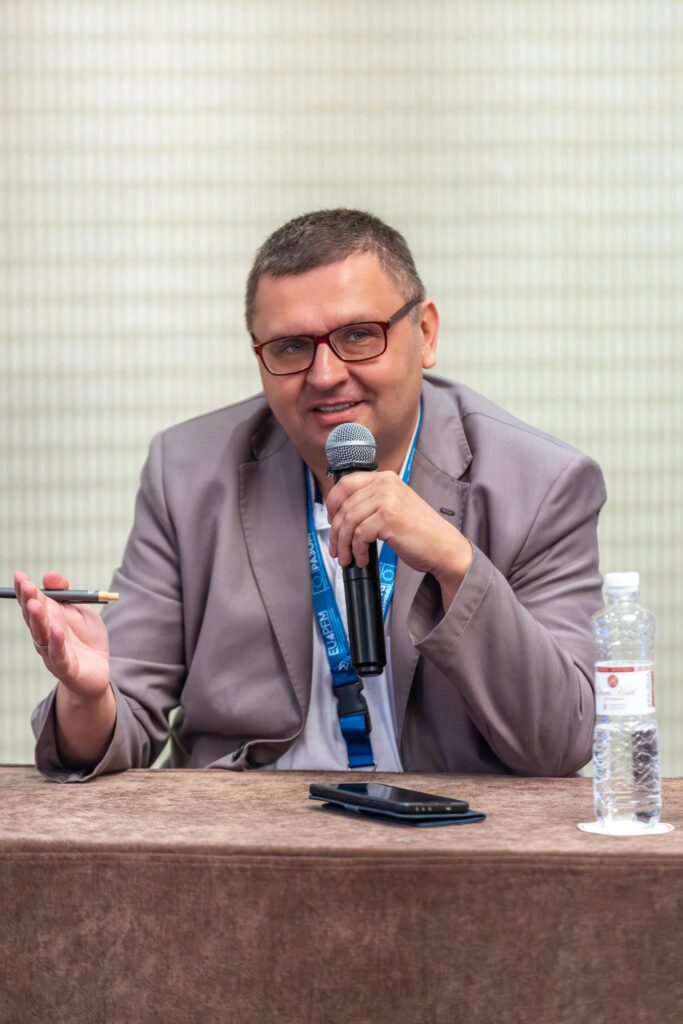
International Legal Expert of EU4PFM Procurement Component Dariusz Piasta presented the EU dimension of the complaints review setup and process, covering minimum requirements to be fulfilled by national laws, general principles of review and details of a set–up left to EU Member States.
Two basic review models applied in EU countries:
- Judicial model (common or administrative courts) — applied in 12 EU member states
- Non-judicial model (bodies that are not courts but may be recognised by the Court of Justice of the EU as courts or tribunals in the relevant sense) — applied in 15 EU member states
AMCU representatives addressed three key themes reflecting the Committee’s current work and future direction.
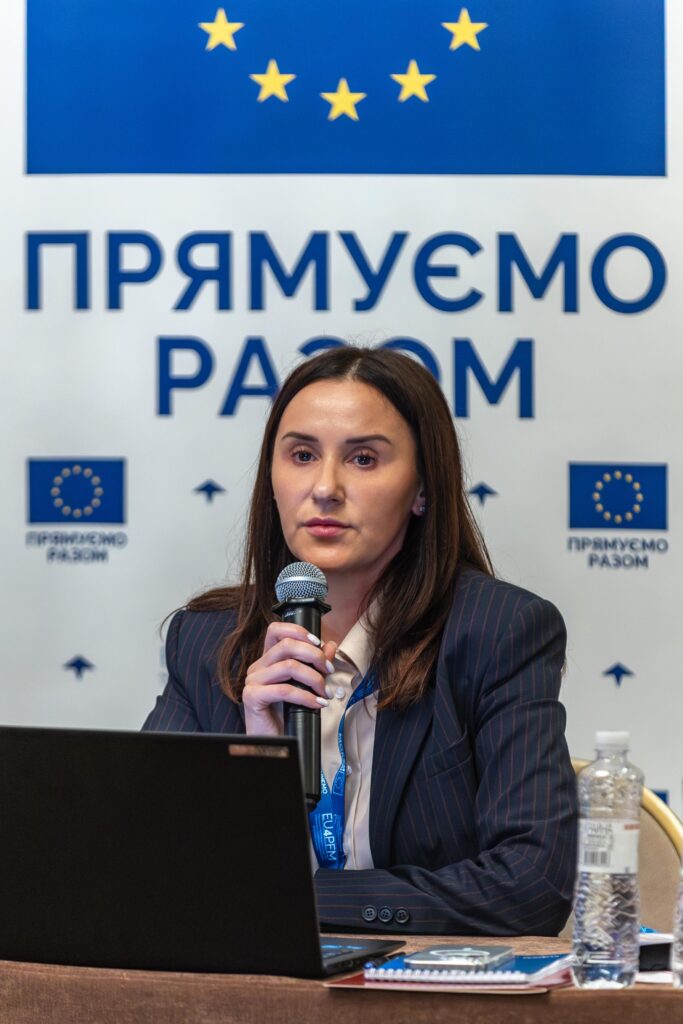
Hanna Hornostal, State Commissioner for Review of Complaints on Violations of Public Procurement Legislation, presented an overview of the current state of procurement review: complaint filing trends, the most common grounds for challenge, and the key issues AMCU faces in handling cases.
Yevgen Kostenko, Deputy Director of the Complaints Review Department, focused on new opportunities and challenges arising from the adoption of the new public procurement legislation, as well as its extended scope to cover public-private partnership agreements and concessions – areas of growing relevance in the context of Ukraine’s post-war recovery.
Anna Kopyl, Deputy Head of the Department for Investigations of Specific Types of Anticompetitive Concerted Practices, addressed current issues in combating bid rigging: modern detection methods, enforcement experience and AMCU’s priorities in this area.
This roundtable series helped to bridge key divides between stakeholders, build mutual understanding and raise awareness of European integration – its specifics and the procurement reforms it entails.