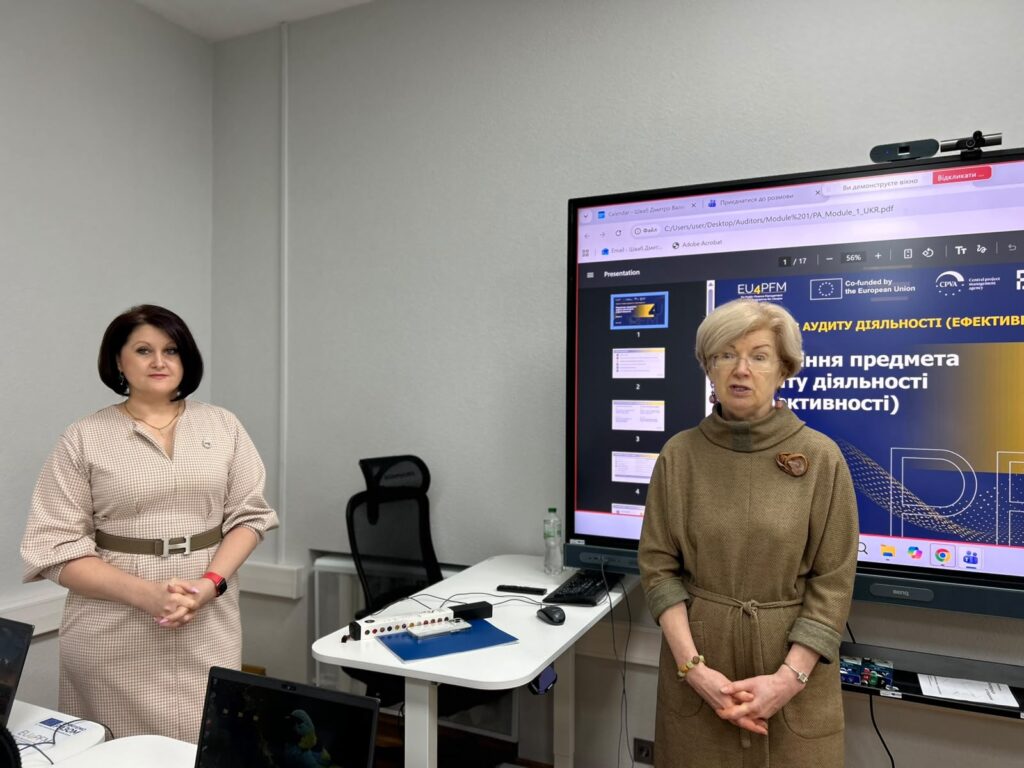
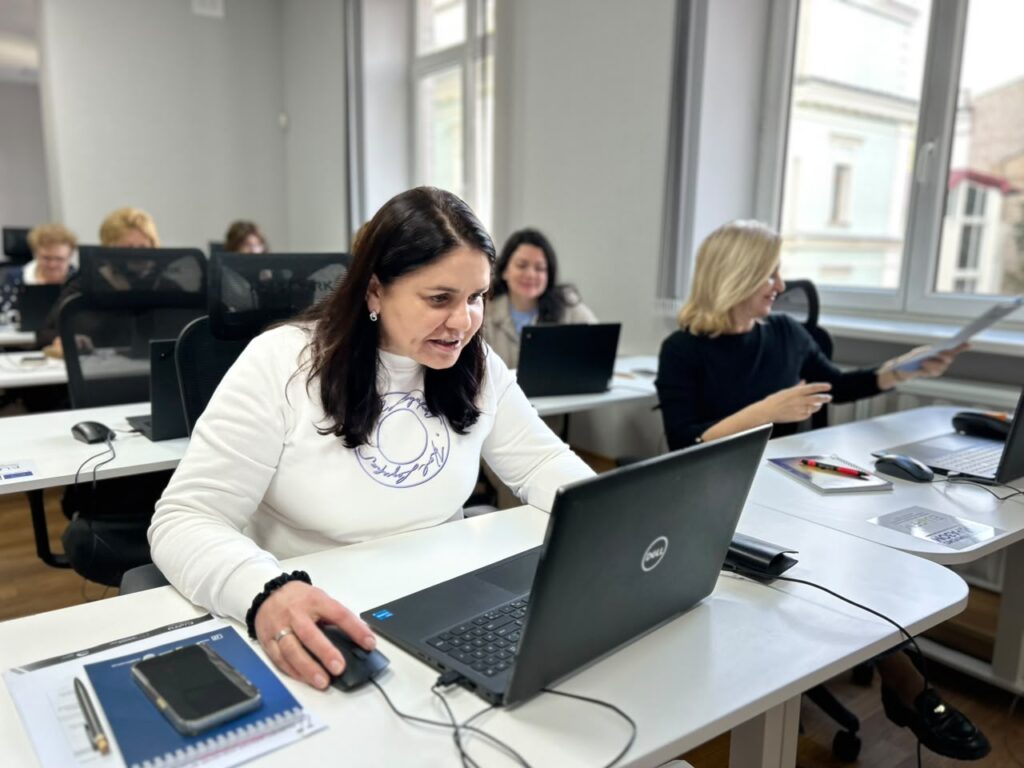
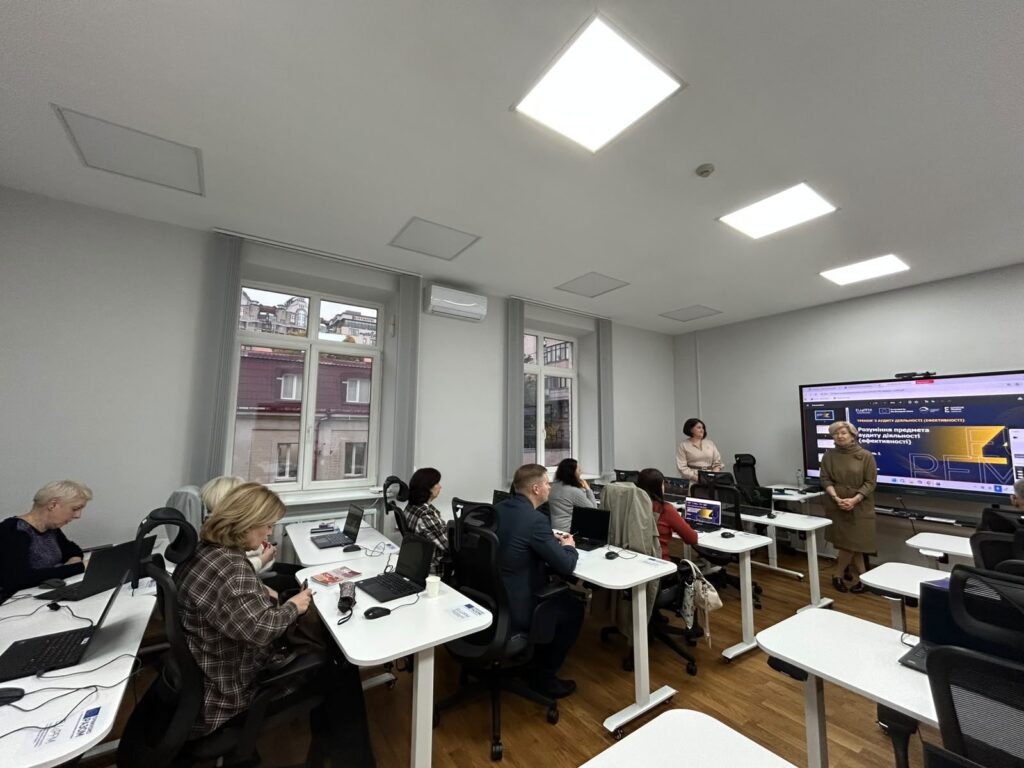
EU4PFM Component 5 launches Hot Review Training Programme for the Accounting Chamber of Ukraine
Is an audit conclusion reliable simply because all the required documents are in place? And how can reviewers identify weaknesses that could affect the credibility of audit findings before a report is approved?
These questions were addressed on 8–9 October during the first two sessions of the Hot Review Training Programme, launched jointly by experts from EU4PFM Phase III Component 5 and the Accounting Chamber of Ukraine (ACU).
The training brings together staff of the ACU’s Department of Quality Assurance, Methodology and Legal Review and focuses on strengthening the quality of financial, compliance and performance audits.
8 October – Looking beyond the checklist
An audit document may look complete and professionally prepared, yet still contain weaknesses that undermine its conclusions. Working with a deliberately polished but methodologically weak audit extract, participants examined how to distinguish minor editorial issues from substantive problems that could affect audit quality.
The challenge was not simply to identify mistakes, but to determine which ones really matter, why they matter and whether they could change the audit outcome.
9 October – Does the evidence support the audit opinion?
The second session turned to financial audits and a fundamental question: can the proposed audit opinion be justified by the work performed?
Using extracts from audit plans, working papers and reports, participants examined whether identified risks were properly addressed, whether the evidence was sufficient and whether the auditor’s conclusions followed logically from the findings.
The discussions also examined situations where legal requirements influence financial reporting and where methodological and legal assessments need to work together.
Rather than focusing on formal compliance alone, the training encourages reviewers to challenge unsupported judgements, recognise defensible professional decisions and concentrate on issues that could materially affect audit results.
The programme builds on international standards and good practices, including ISSAI 140, and combines methodological guidance with practical exercises and professional discussions.