EU4PFM concluded its pilot project on strengthening internal control in the Ministry of Justice
On 6 October, EU4PFM Public Internal Financial Control (PIFC) experts brought together representatives of the Ministry of Justice, the Coordination Centre for Legal Aid Provision (the pilot institution) and the Ministry of Finance to review the pilot project’s results and practical experience. The participants also shared ideas on priorities for further work and discussed how the tested approaches could be applied in other institutions.
The aim of the pilot project was not to develop a new methodology, but to support institutions in applying existing internal control requirements and tools in practice.
“Tools matter, but management responsibility and organisational culture matter more” was the key message of the pilot. The 40/60 ratio is a practical observation rather than a measured formula: around 40% relates to technical tools and registers, while 60% reflects how management uses them, management awareness and organisational culture.
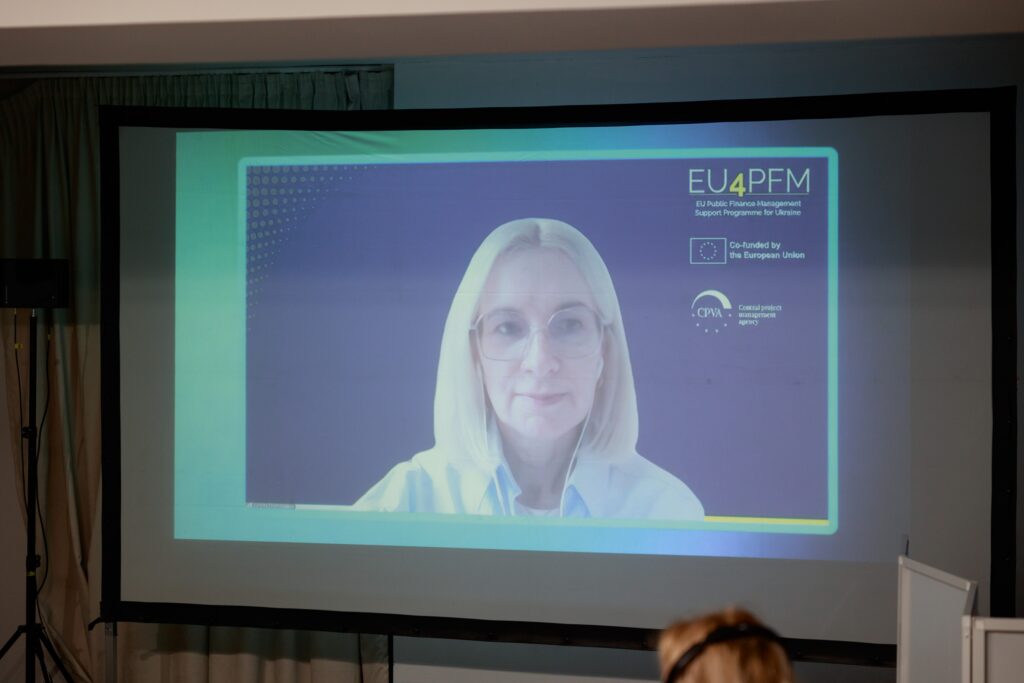
Jurgita Domeikiene, Team Leader of EU4PFM Components 1,3,4, welcomed the participants:
“Today, we particularly appreciate the contribution of the Ministry of Justice and the Ministry of Finance. Your willingness to share experience, discuss challenges openly and test approaches in practice has been essential to this pilot. For EU4PFM, this work is an important part of our support — helping institutions apply public finance management reforms in their everyday work.
Sound internal control helps managers achieve their objectives, use public resources responsibly and deliver reliable services to citizens. The relevance of this pilot extends beyond the Ministry of Justice. We hope that the experience gained will provide useful inspiration for the Ministry of Finance as we continue developing public internal financial control policy and guidelines.”
The pilot combined practical activities, including self-assessments, seminars, webinars, coaching sessions and support in developing strategic and operational risk registers. The team focused on strengthening risk management practices and the links between objectives, risks, control measures, key performance indicators (KPIs) and budgeting, while also strengthening understanding of management responsibility in practice.
The core principle of the pilot was to view internal control not as a separate compliance procedure, but as a management tool that supports informed decision-making and helps institutions achieve their objectives.
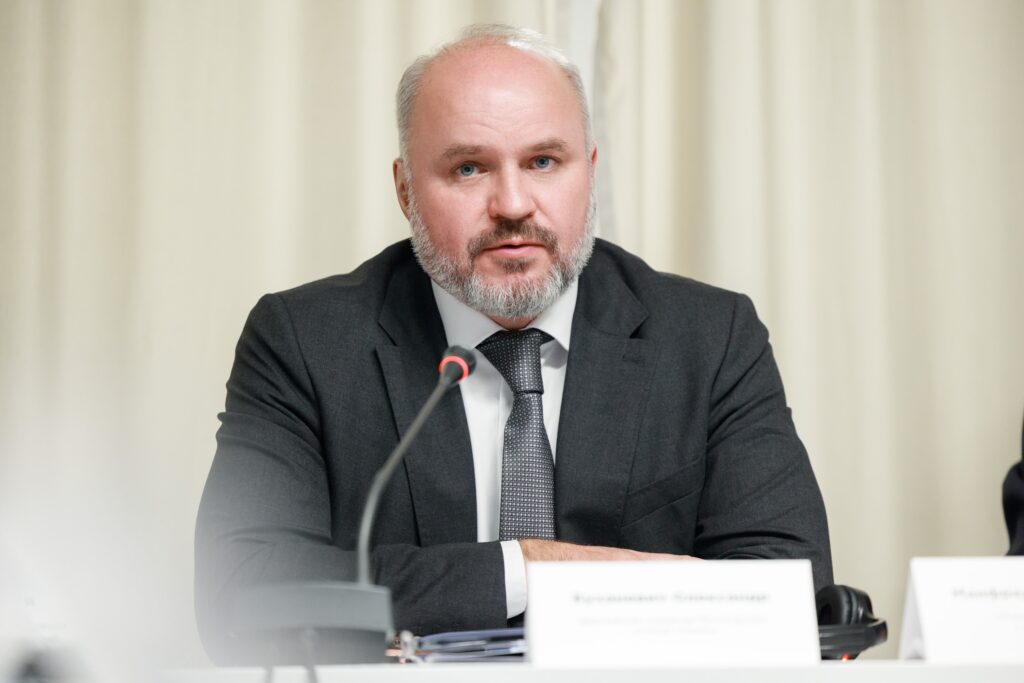
This approach was also supported by State Secretary of the Ministry of Justice Oleksandr Bukhanevych. He thanked the team for their joint work and stressed that internal control is not simply a control function, but an important part of the Ministry’s overall management. The State Secretary also expressed the hope that the pilot elaborations would continue in practice.
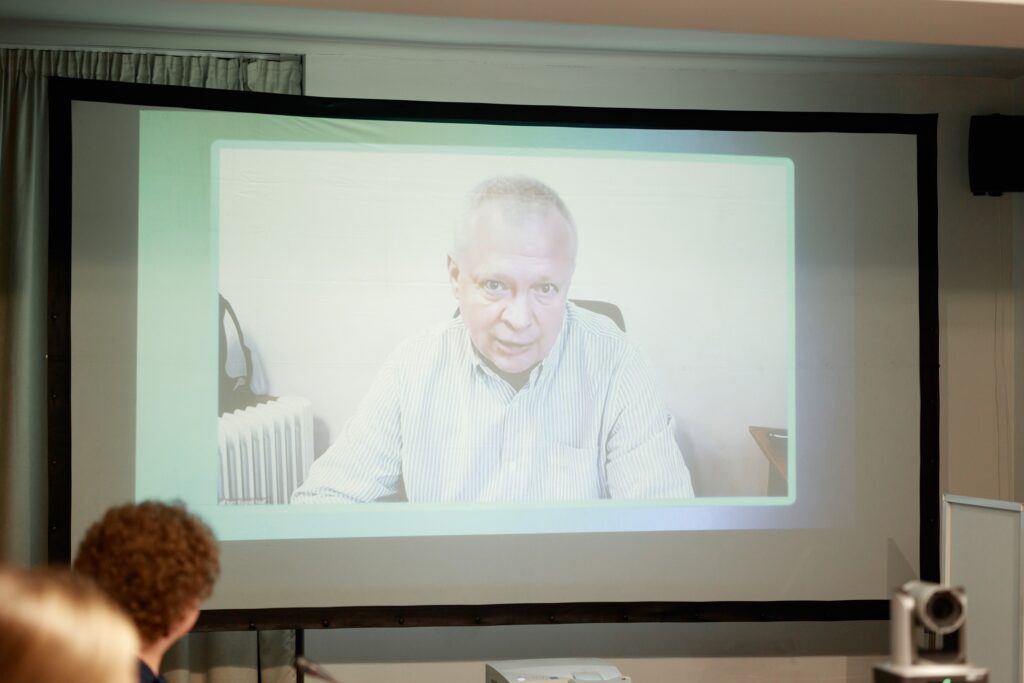
Igor Bugrak, Head of the PIFC Harmonisation Department at the Ministry of Finance, thanked the EU4PFM team for its cooperation and commitment to Ukraine. In his words, this commitment has contributed to achievements reflected in the European Commission’s Enlargement Reports and SIGMA assessments: Ukraine has established a regulatory framework for both internal control and internal audit. Mr Bugrak also thanked the Ministry of Justice for taking the initiative and being ready to implement the pilot.
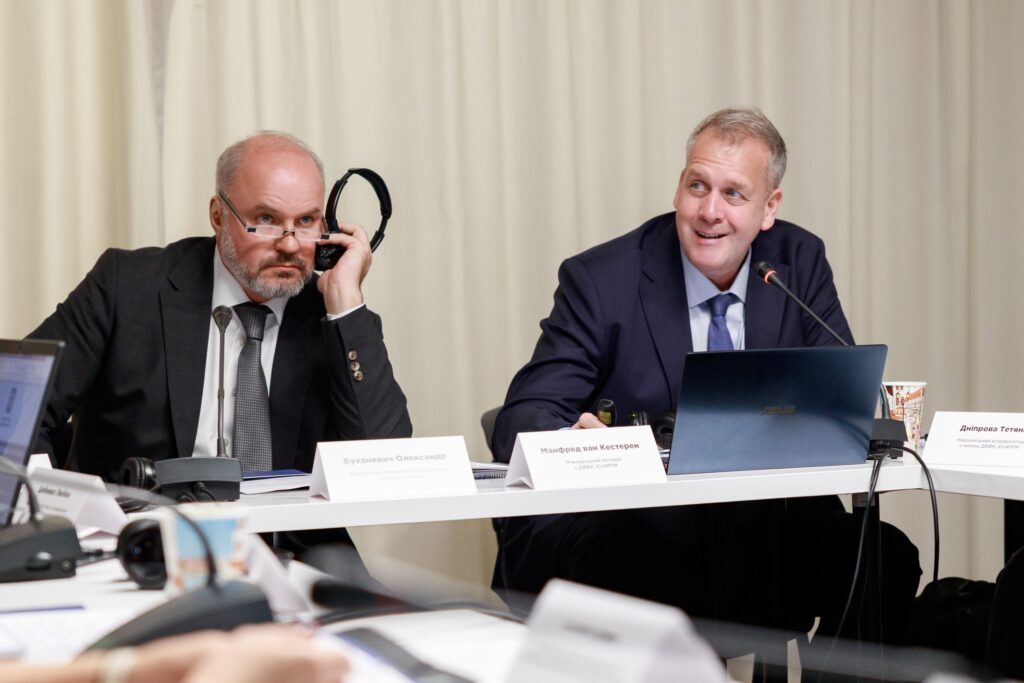
Manfred van Kesteren, EU4PFM International Expert on PIFC, presented the key results and lessons learned from more than a year of joint work. He stressed that sound internal control is part of the Fundamentals for EU accession and that progress will be assessed not only by legislation, but by how it works in practice.
“We worked closely together, step by step, on key areas of internal control, to support you in improving your internal control framework in line with EU best practices. We have tangible results that can also be useful beyond the Ministry of Justice, showing how internal control in areas like risk management, managerial accountability and the set-up of internal governance arrangements can improve in practice. The pilot allowed us to go beyond theory and see what works in practice and where further improvements are needed”.
Manfred van Kesteren stressed that the updated framework of the Ministry of Justice on the organisation of its internal control system, developed taking into account the lessons and experience of the pilot, provides a foundation for further implementation of the new approaches. However, its approval alone does not mean that the work is complete. The key indicator will be whether managers regularly review risks and response measures, use information on performance and resources, and adjust activities and control measures when necessary.
According to him, the pilot is not an end in itself, but an important step towards accountable, risk-oriented management and the effective implementation of internal control across the Ministry of Justice.
What’s next?
For the Ministry of Justice and the Coordination Centre for Legal Aid Provision it is important to build on the work already done by continuing to use the tools developed, regularly reviewing risks, completing the documentation of processes and maintaining management engagement.
For the Ministry of Finance, the experience gained through the pilot can serve as a useful reference point for further developing PIFC policy and methodology.