EU4PFM launches a study visit on Competency-Based Human Resource Management
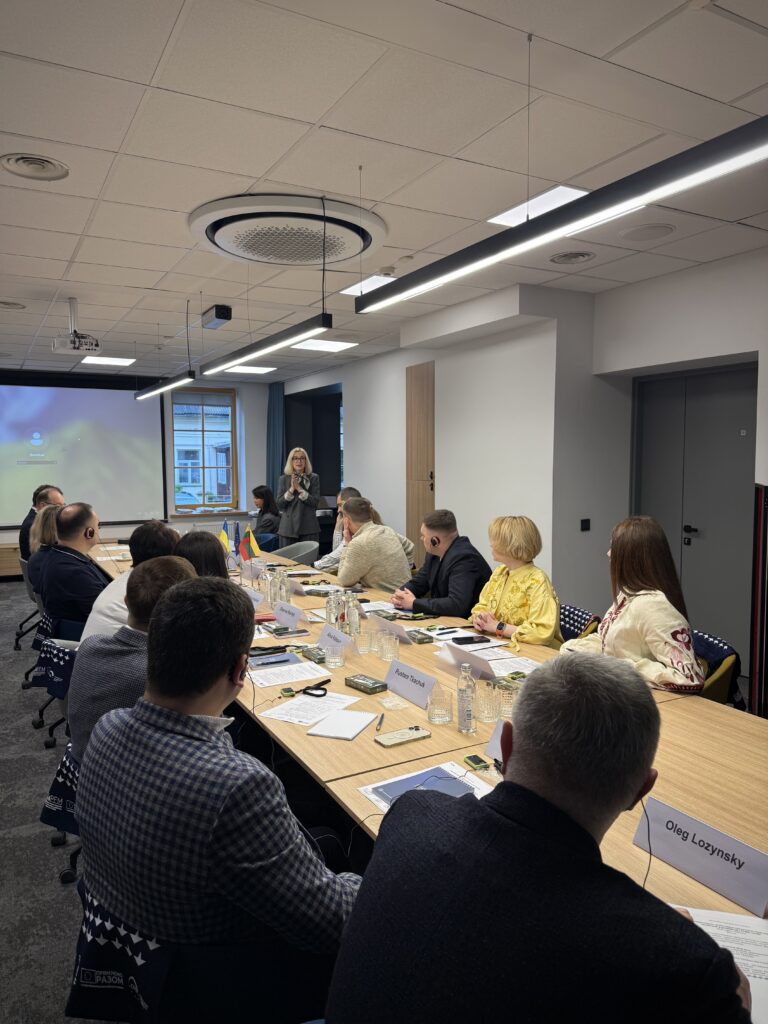
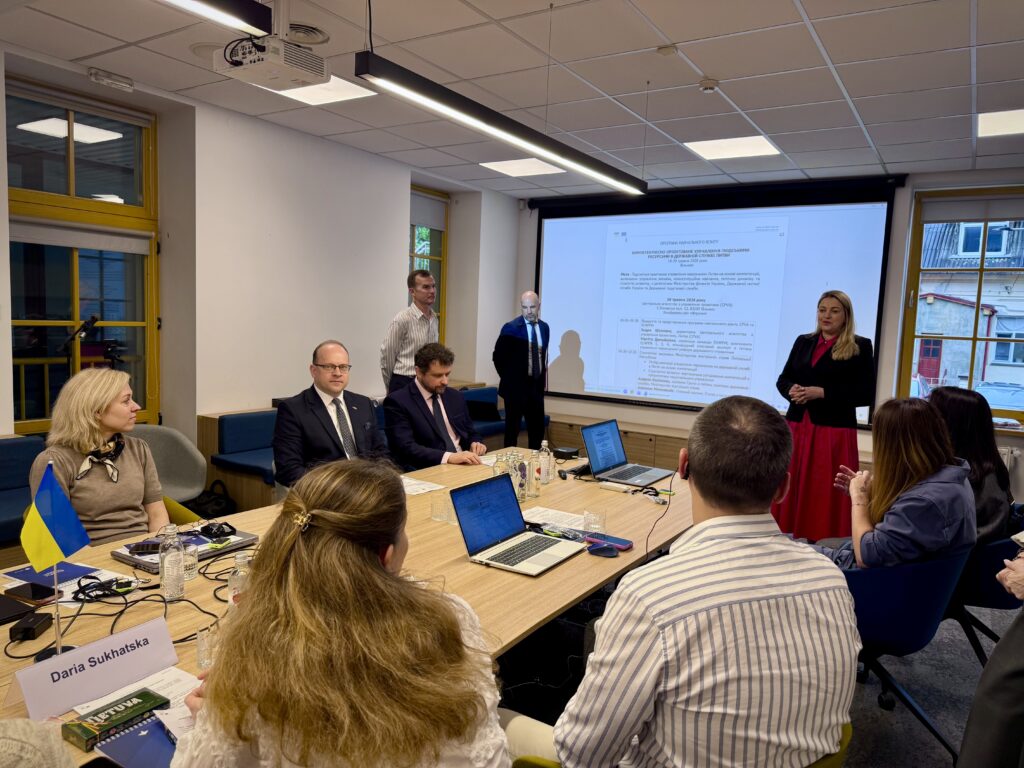
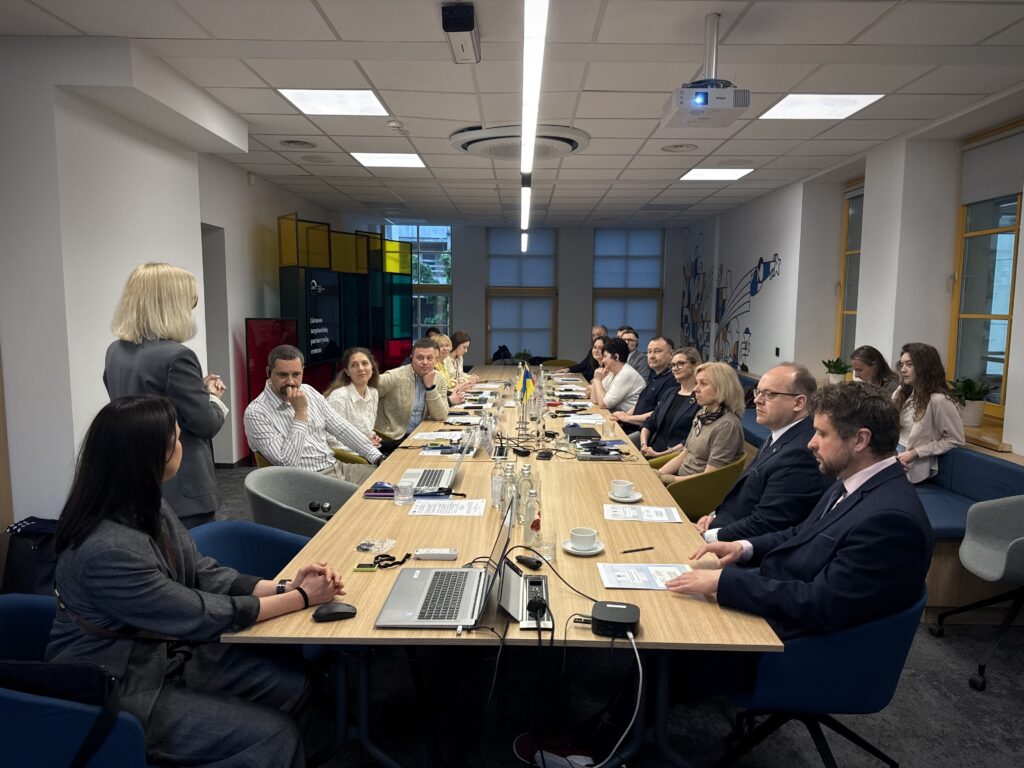
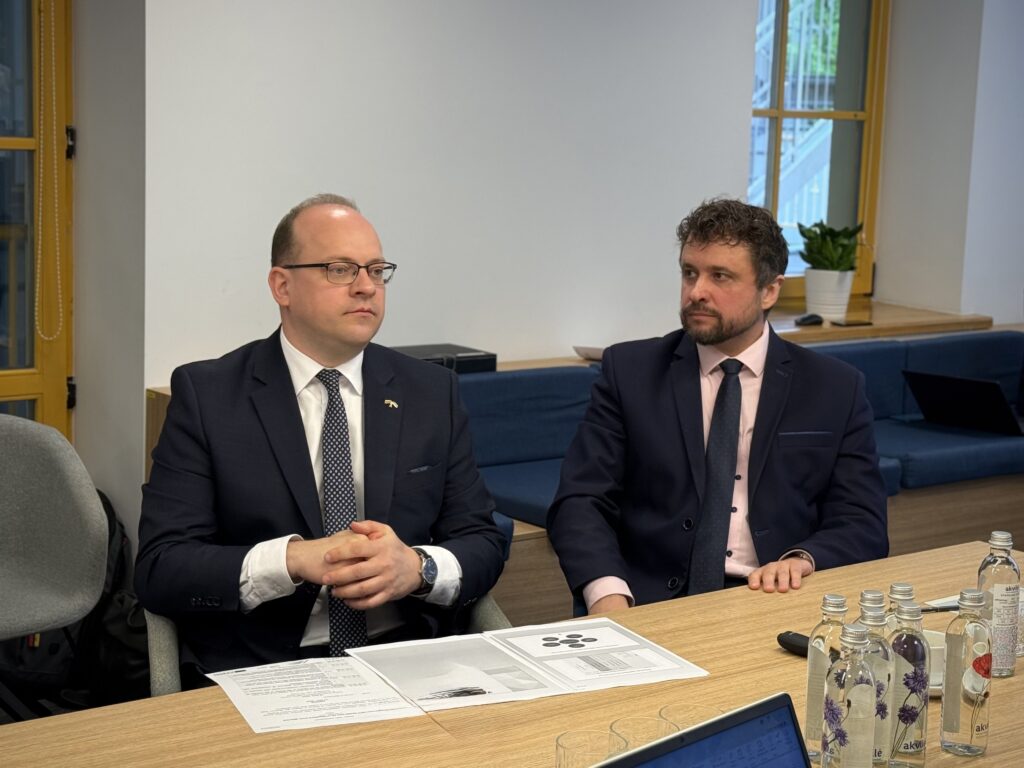
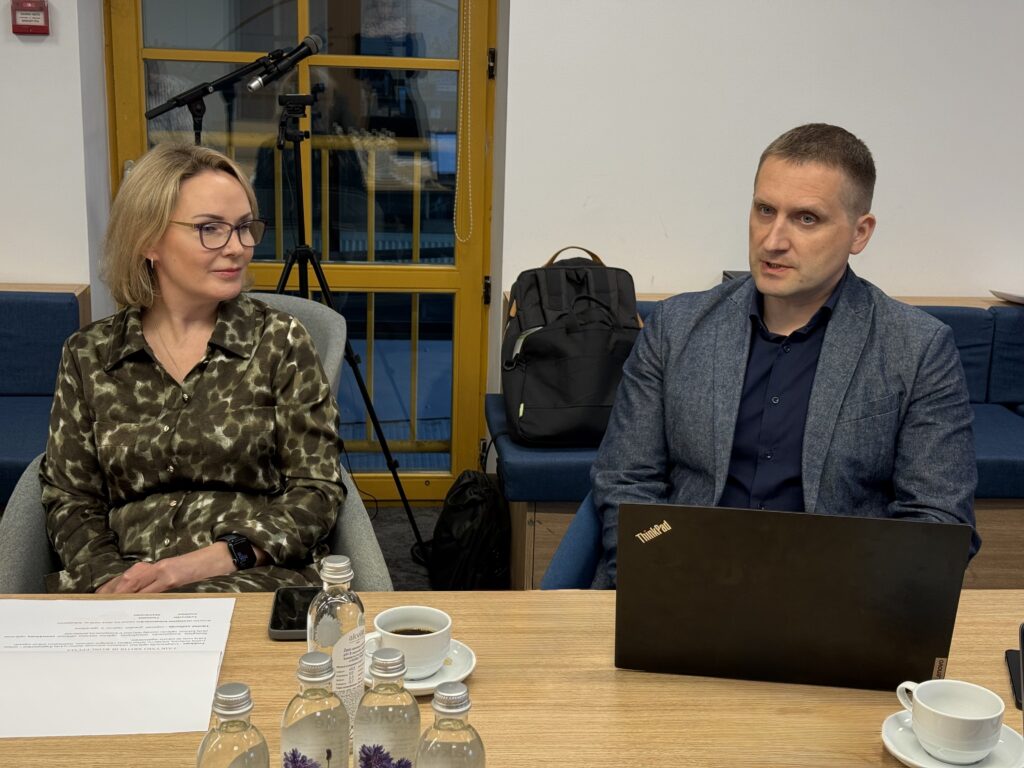
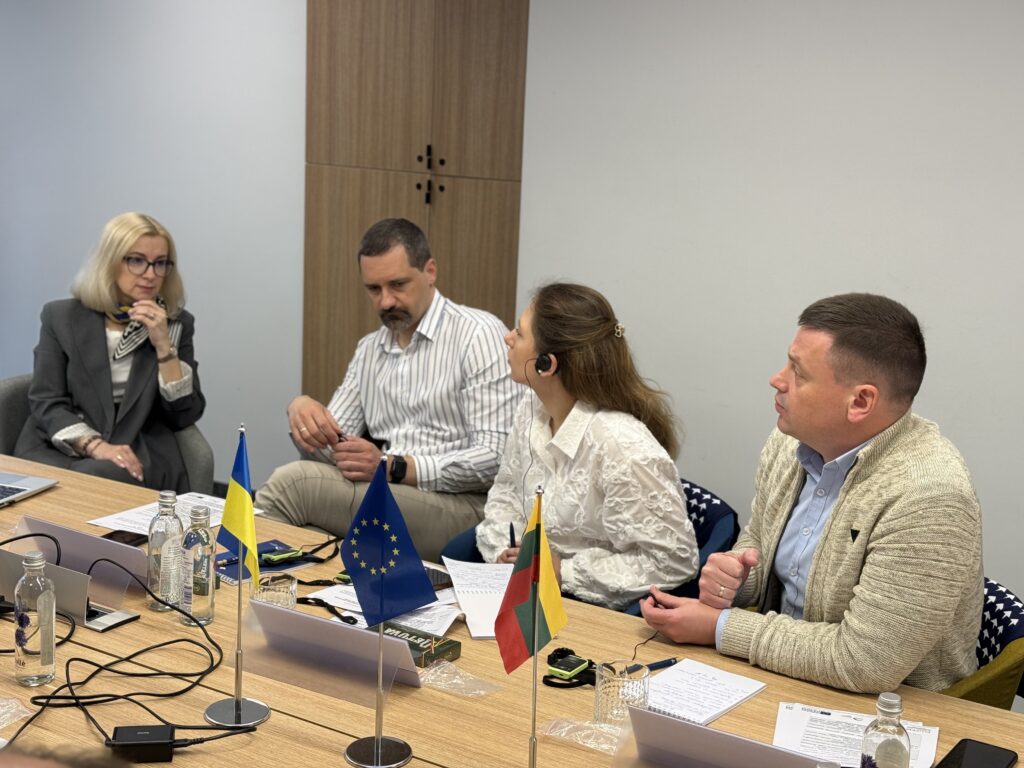
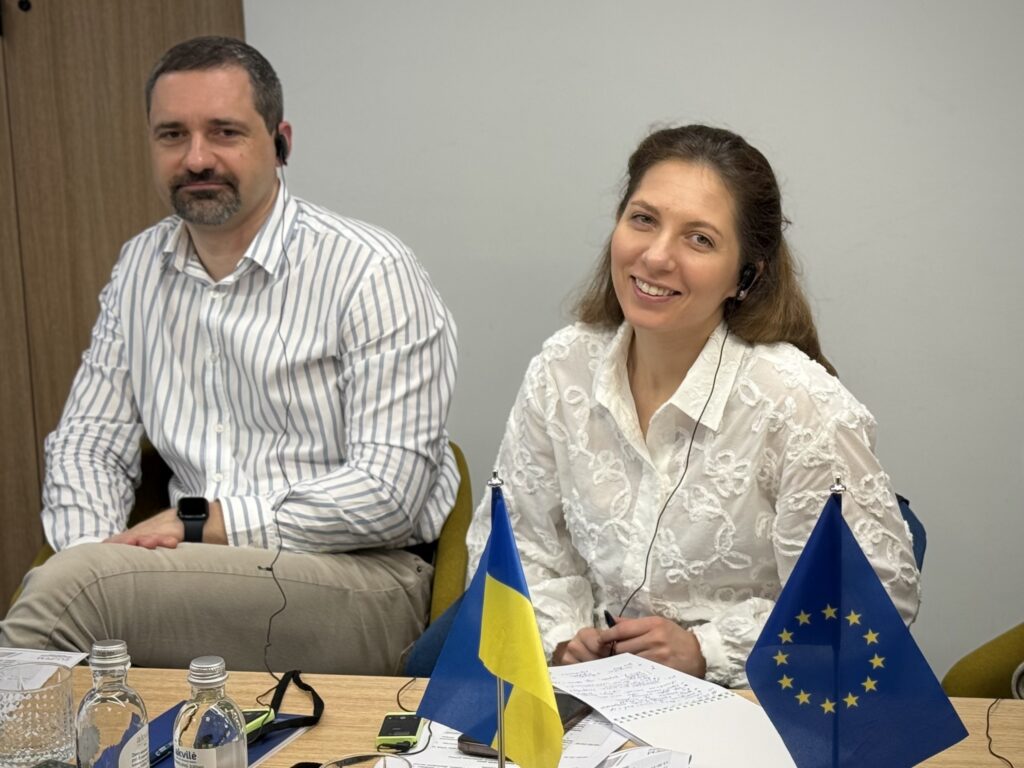
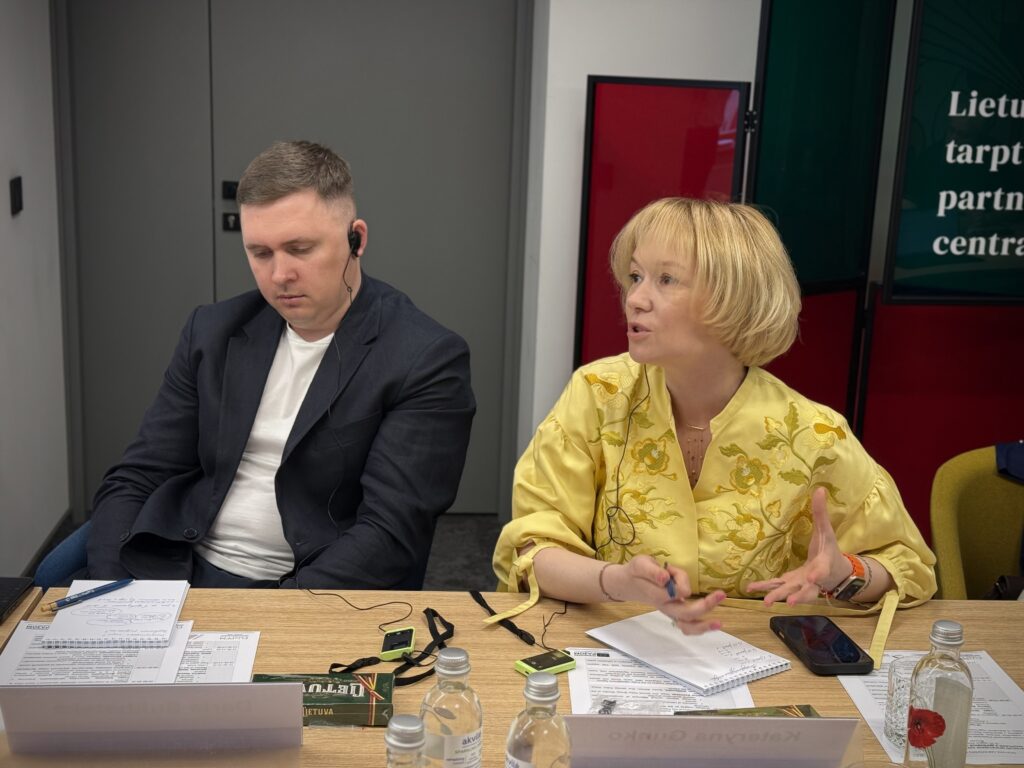
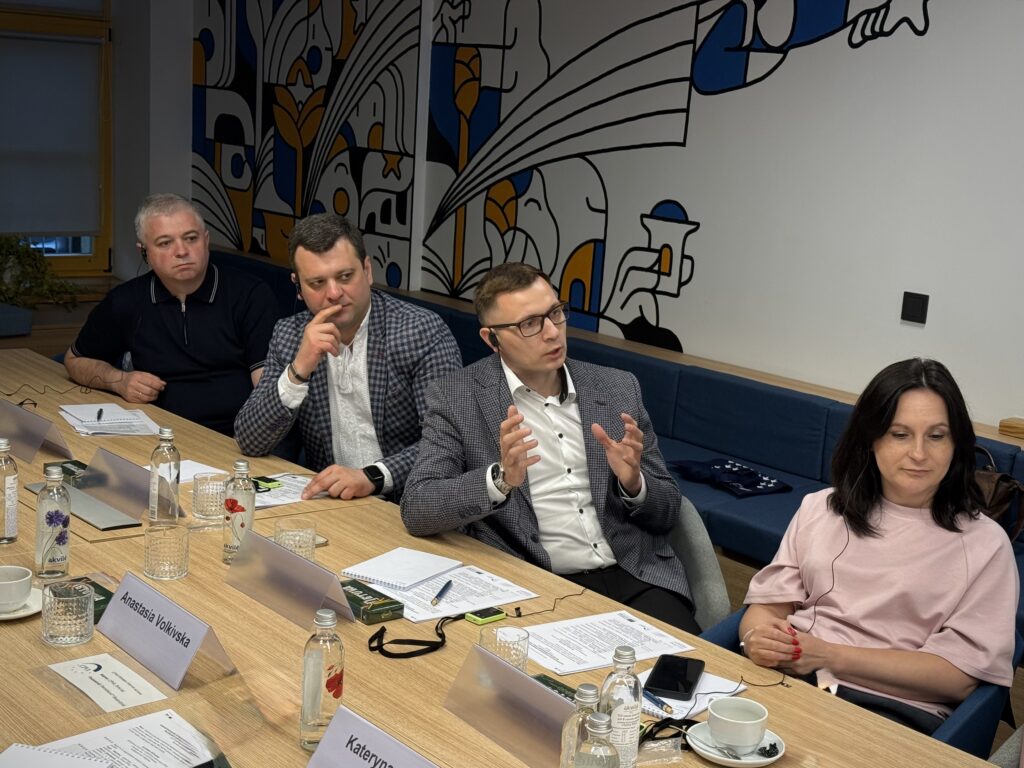
A three-day study visit has commenced in Vilnius, focusing on Lithuania’s competency model for human resource management in the civil service. The participants include representatives of the Ministry of Finance of Ukraine, the State Customs Service, and the State Tax Service.
The main objective of the visit is to explore Lithuania’s experience in applying a competency-based approach to HR management, including change management, interinstitutional learning, and staff development strategies. Participants have a unique opportunity to engage directly with practitioners from public institutions that have successfully implemented these approaches.
Jurgita Domeikiene, Team Leader of Components 1, 3 and 4 of the EU4PFM Programme and International Key Expert on HR/PAR, opened the event:
“The system should be designed to ensure that the right person is in the right place. This principle lies at the core of competency-based management and is the central focus of this study visit. Within EU4PFM, we have been strengthening your institutions together for many years by developing methodological guidelines, training programmes, and tailored libraries of questions for competency-based interviews. Over the next three days, you will have a valuable opportunity to engage directly with Lithuanian practitioners, learn from their experience, and explore how these approaches can be effectively adapted in your institutions.”
Representatives of the Lithuanian Ministry of the Interior outlined the evolution of the competency-based approach in the civil service and its vertical alignment with national governance priorities. The Public Management Agency presented Lithuania’s integrated HR model and covered both HR processes and digital tools, including the Human Resource Management Information System (HRMIS), which supports competency management at all levels. Career management for senior executives was also discussed as a separate topic.
Key takeaways from the first day:
- Competence is not limited to knowledge; it is the ability to transform knowledge into judgement, action, and results.
- Competence is demonstrated through observable behaviour.
- Competency models linked to civil service values help translate those values into everyday work.
- Limited resources highlight the importance of a methodical approach.
- Competency development in the public sector often remains fragmented: training is available, but organisations still lack a unified system to assess its overall value.
Speakers also highlighted the importance of 360-degree assessments based on competency models.
The day concluded with a reflection session during which participants discussed which ideas and practices they intend to apply in their respective Ukrainian institutions.