EU4PFM launches internal audit training for the State Customs Service
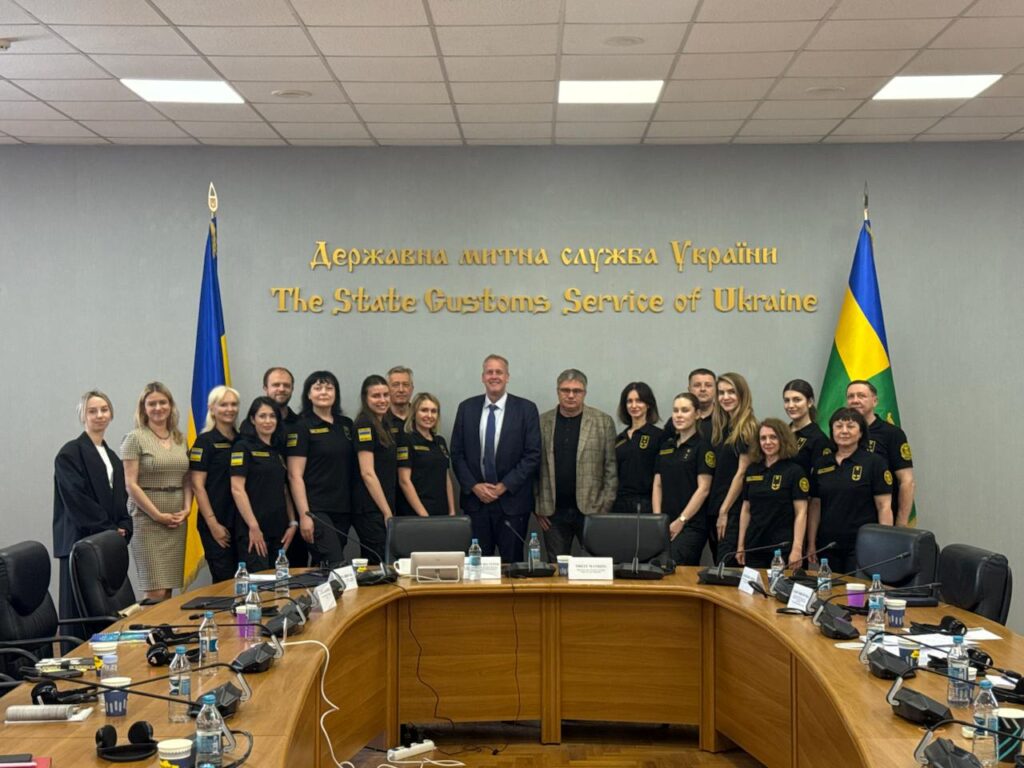
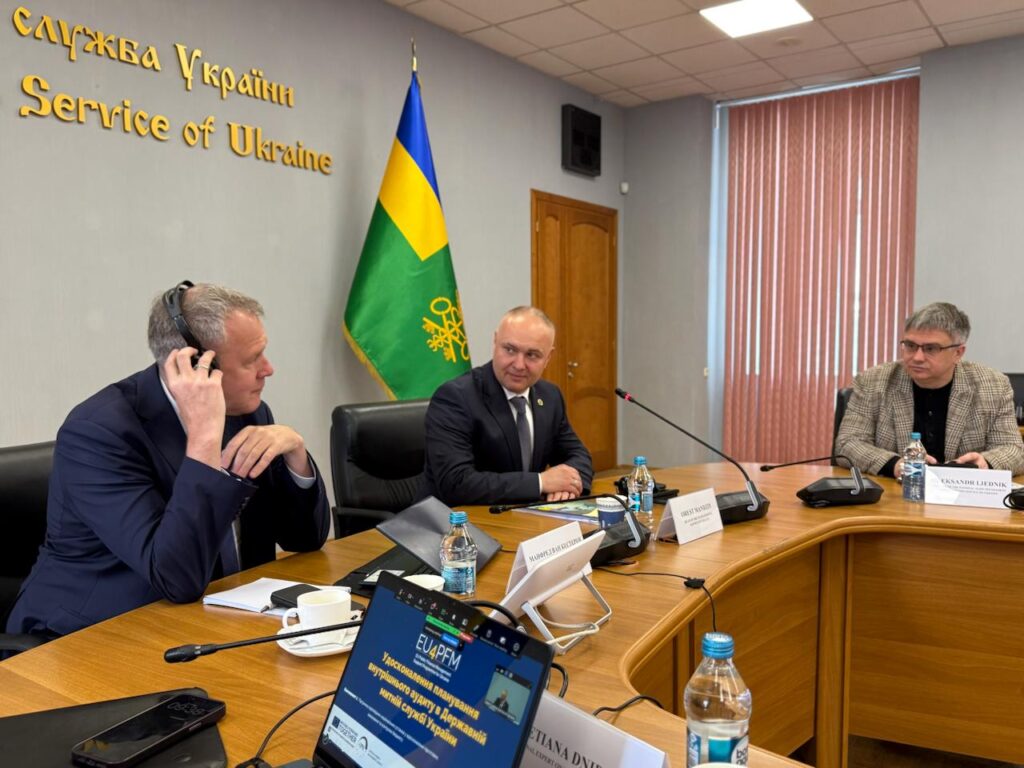
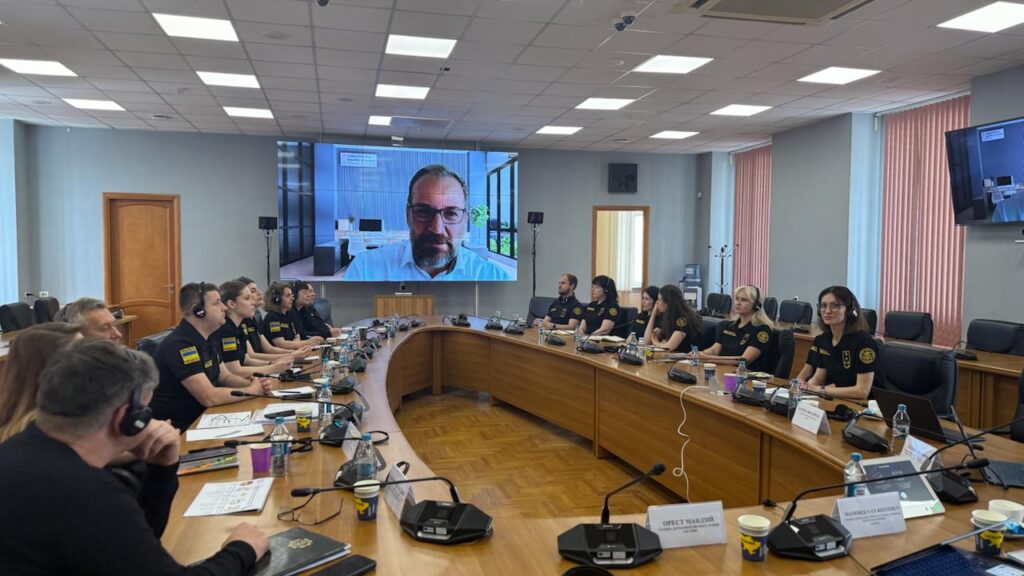
EU4PFM has kicked off a new cooperation with the State Customs Service of Ukraine (SCS) in the area of internal audit. The first training session, focused on audit planning, was delivered by EU4PFM experts on Public Internal Financial Control Manfred van Kesteren and Markus Erlmoser.
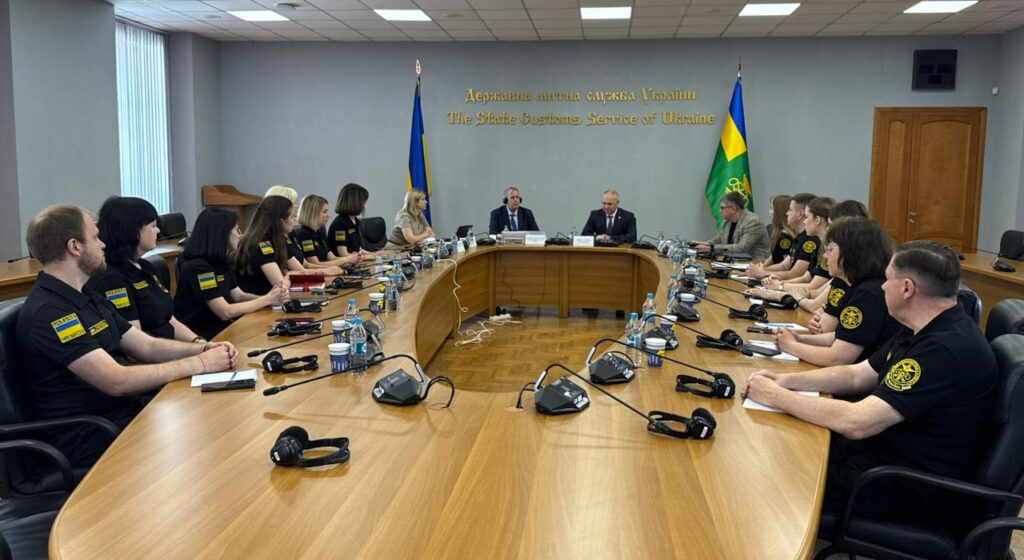
The session covered strategic, annual and engagement-level planning in line with the Global Internal Audit Standards (GIAS). Opening the event, SCS Head Orest Mandziy welcomed the cooperation and mentioned the importance of the established partnership, expressing confidence that EU4PFM expertise will strengthen internal audit processes within the Service.
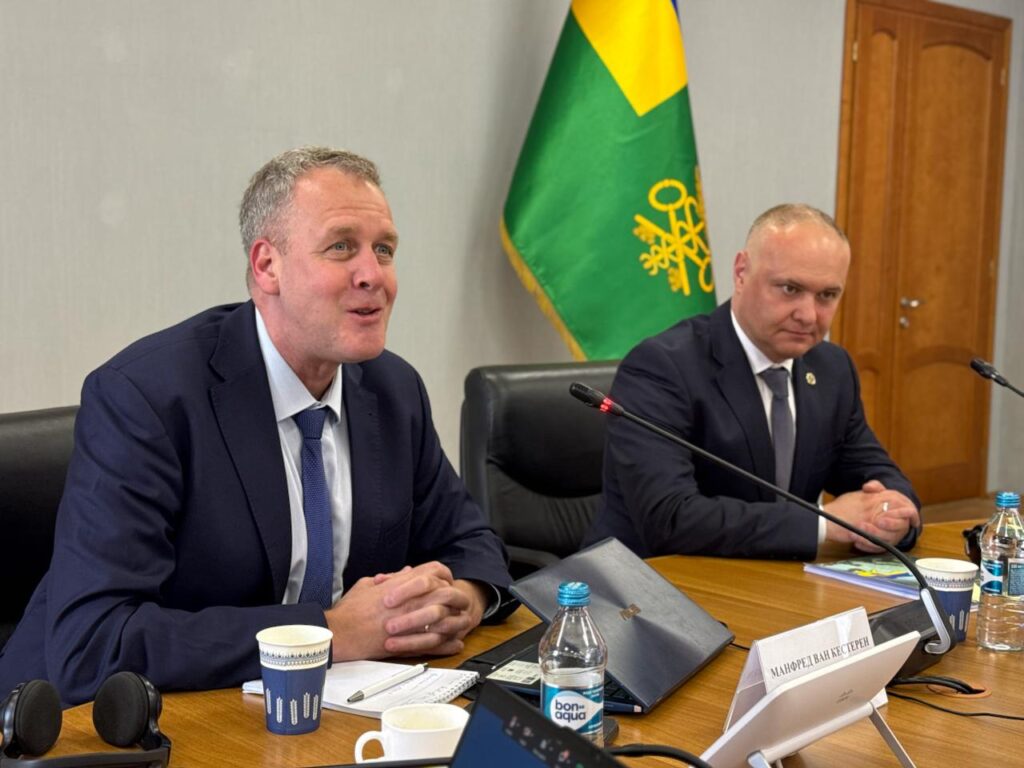
Manfred van Kesteren, EU4PFM International Expert, said that, with the updated National Internal Audit Standards now in place, this is a good time to become familiar with them and understand what they mean for the work of Customs officials. He also reassured participants that EU4PFM would continue to provide its support.
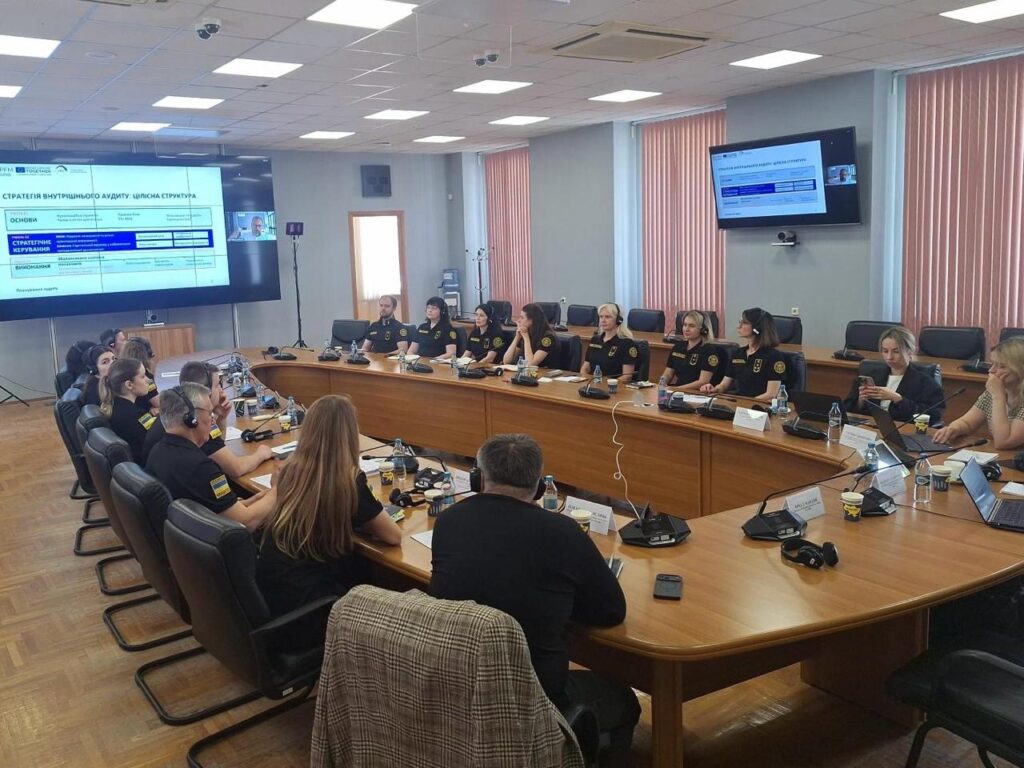
During his presentation, Mr van Kesteren highlighted that quality planning is what makes internal audit meaningful — not merely busy. Under GIAS, he explained, planning goes beyond producing an annual audit plan: it connects strategy, risks, priorities and execution. “Strategy drives the plan, and the plan validates the strategy,” he noted. Together they ensure internal audit is both forward-looking and responsive. Without strategy, plans become reactive; without plans, strategy stays aspirational.
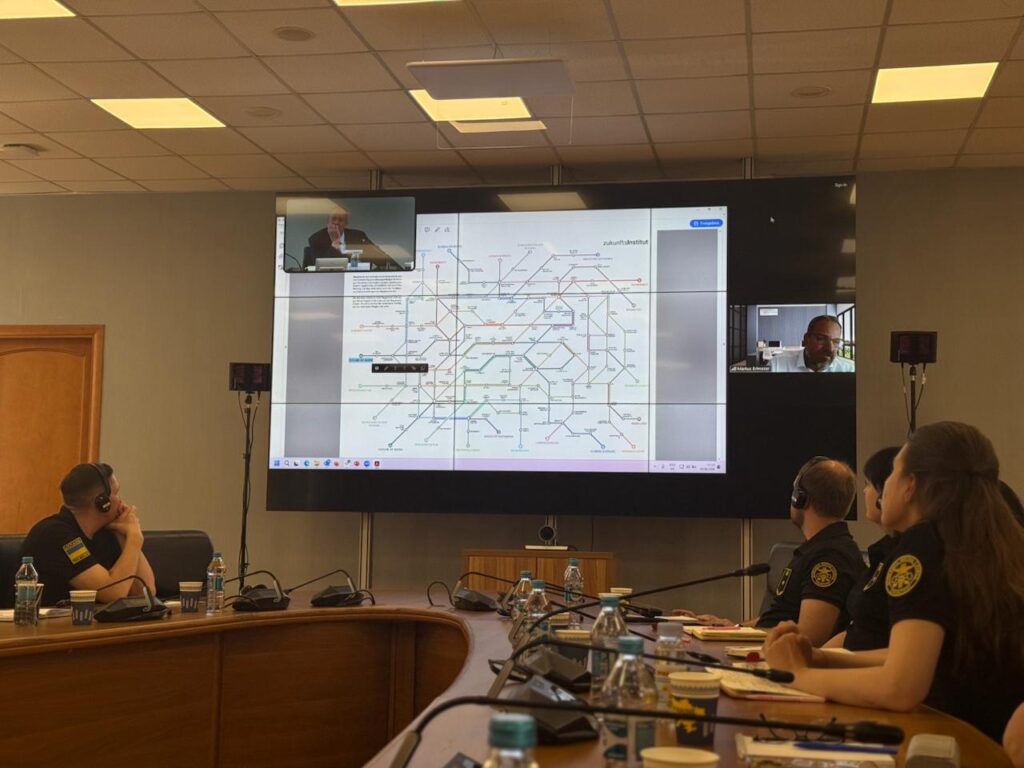
During the session, participants also explored the Austrian Ministry of Finance’s approach to strategic and annual internal audit planning, presented by EU4PFM Short-term Expert Markus Erlmoser. The presentation demonstrated how internal audit can serve not only as an assurance function but also as a strategic partner to management, supporting organisational effectiveness, successful implementation of reforms, and preparedness for future challenges.
Particular attention was given to the development of the audit universe, risk-based prioritisation of audit engagements, multi-year audit planning, and the alignment of audit activities with organisational objectives and stakeholder expectations. The Austrian experience illustrated how a structured and data-driven planning approach can help ensure comprehensive risk coverage while making the most effective use of audit resources.
Mr Erlmoser framed audit work around three core questions every engagement should help answer: how well does public administration function? How effectively does it implement change? And how prepared is it for the future? Each audit, he stressed, must speak to at least one of these.
The topics presented generated lively discussions among participants, particularly regarding the practical application of risk-based planning methodologies, the development of an audit universe, and opportunities to adapt selected elements of international good practice to the work of the State Customs Service.
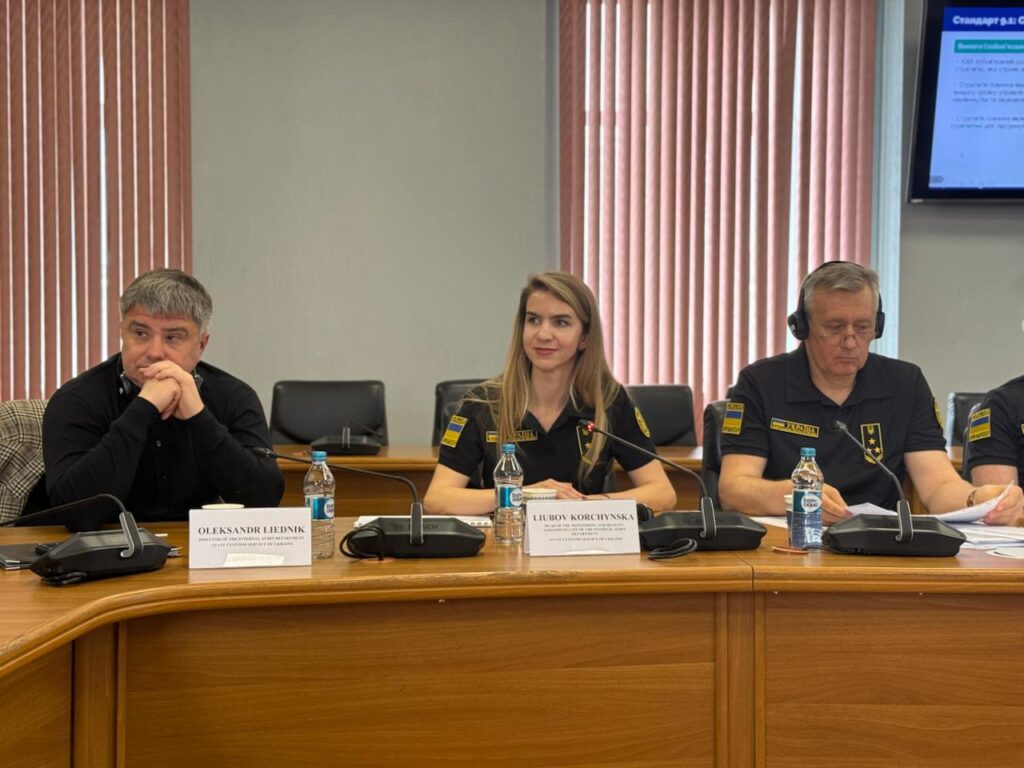
This event marked the beginning of a summer series of training activities for the SCS Internal Audit Department, aimed at strengthening professional capacities and supporting the implementation of the new National Internal Audit Standards aligned with the GIAS.