EU4PFM Programme Component 5 holds Round Table on strengthening audit thinking and professional judgement
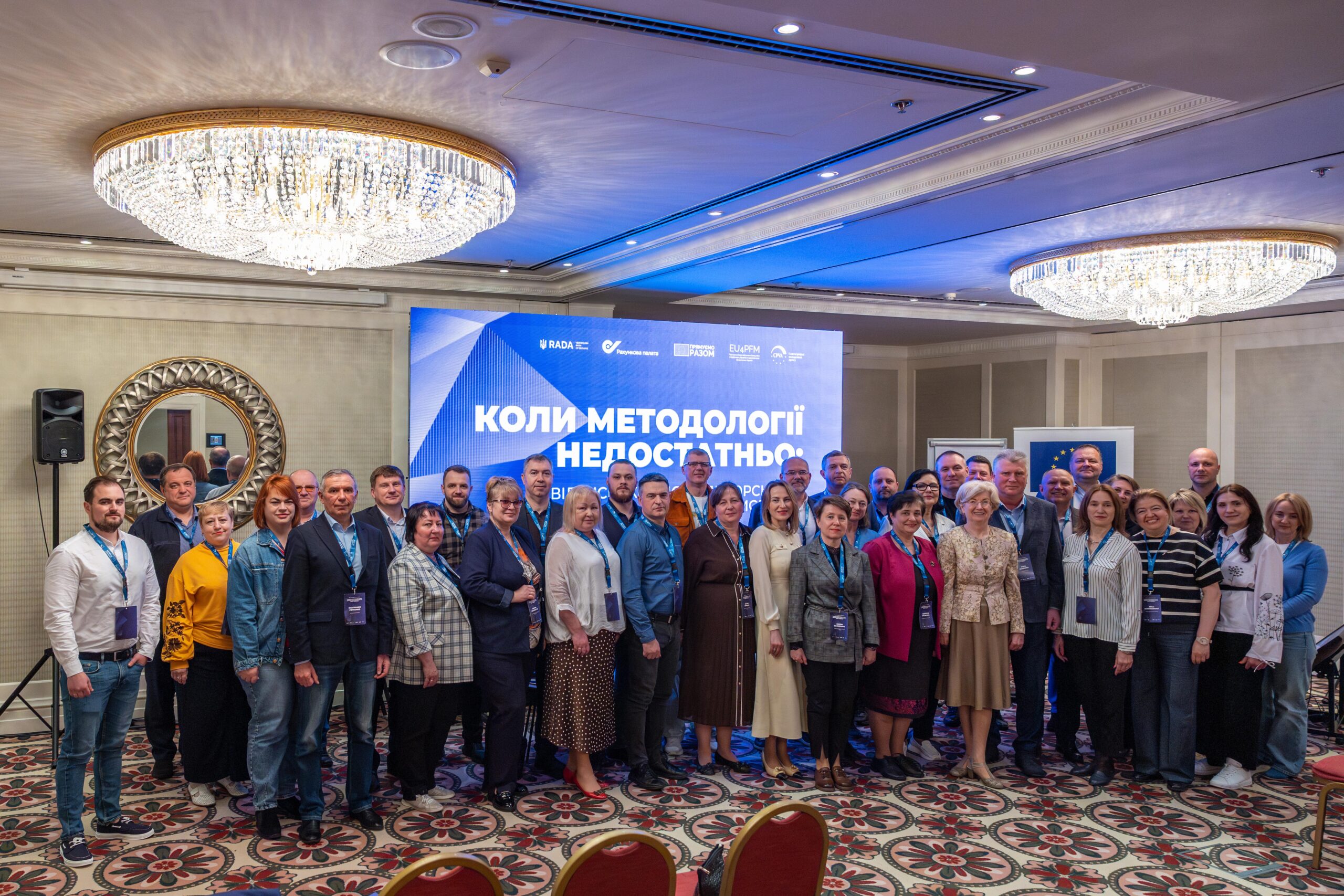
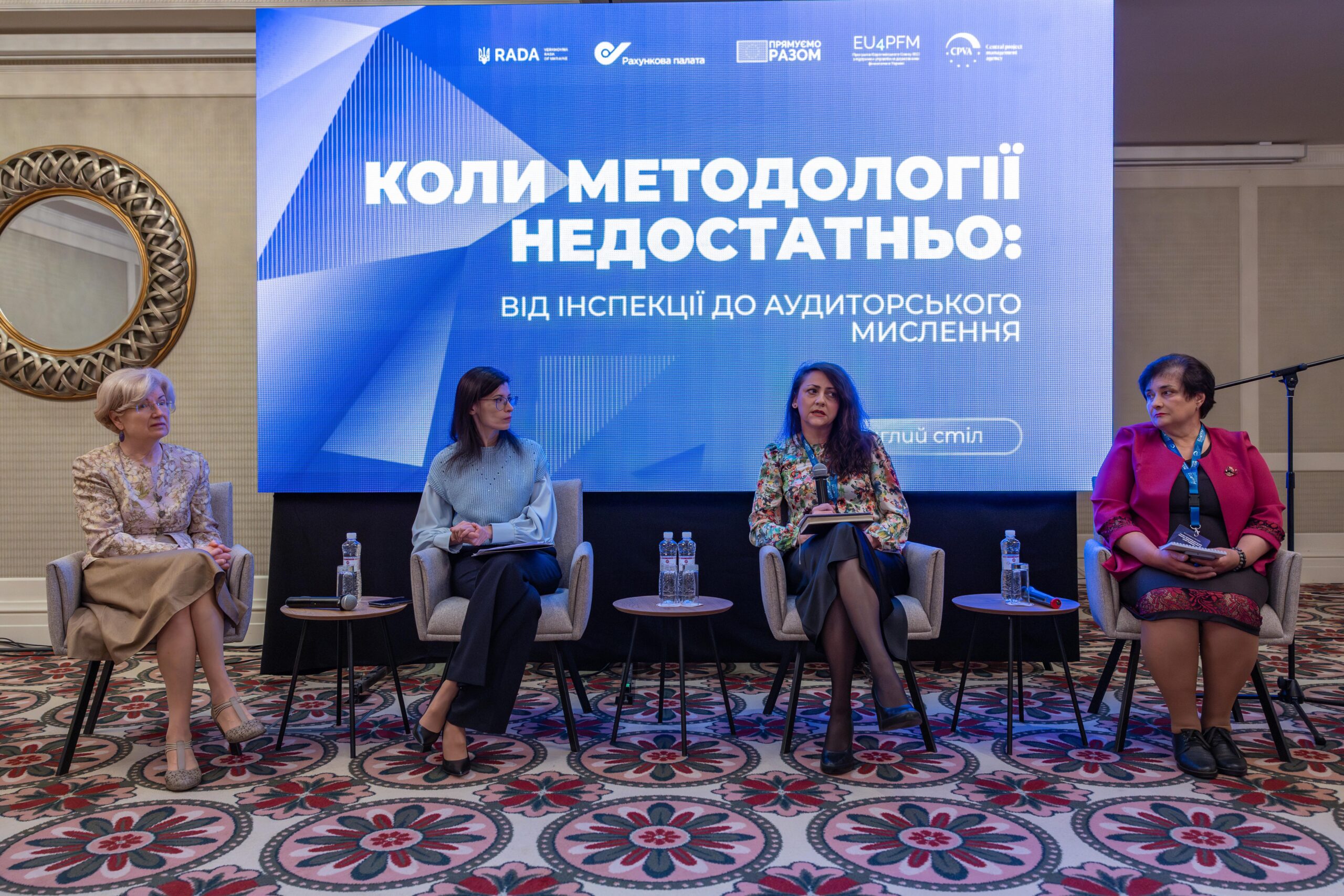
On 15 May 2026, EU4PFM Component 5 “External Audit and Parliamentary Oversight”, together with the Accounting Chamber of Ukraine, organised a round table discussion in Kyiv “When Methodology Is Not Enough: From Inspection to Audit Thinking”. The event marked the 10th jubilee round table held within this professional discussion format and brought together auditors, public finance professionals, institutional leaders, and international experts to discuss the evolution of modern audit approaches and the role of professional judgement in strengthening public accountability.
The discussion focused on how both internal and external audit institutions are moving beyond formal compliance and checklist-based approaches towards risk-oriented, analytical, and evidence-based audit practices aligned with international standards.
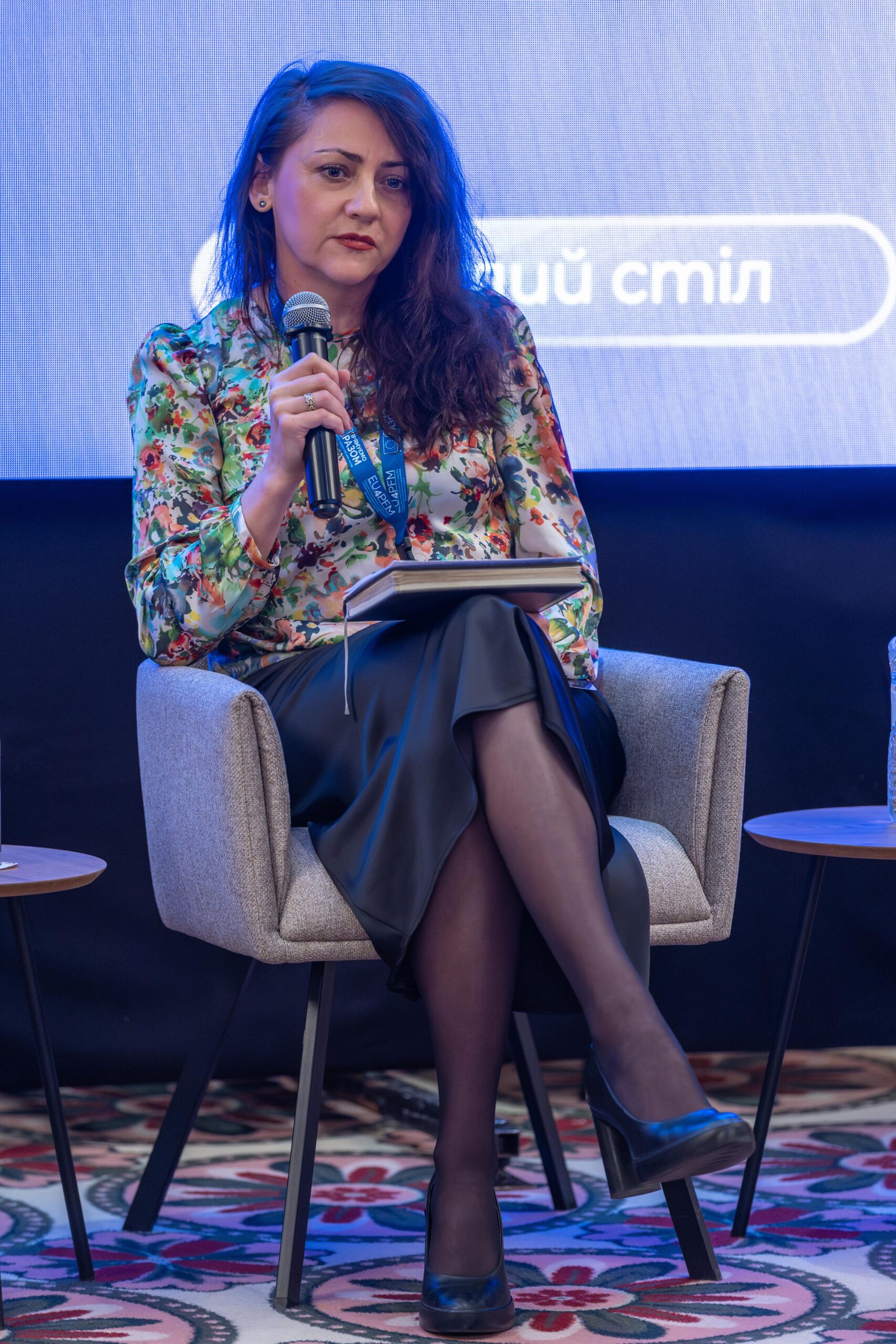
Welcome remarks were delivered by Olha Pishchanska, Chair of the Accounting Chamber of Ukraine, Lyudmyla Kalinchuk, Member of the Institute of Internal Auditors of Ukraine, and Olha Kuchma, representative of the State Audit Service of Ukraine. Speakers emphasised the importance of strengthening professional audit culture, enhancing cooperation between internal and external audit communities, and promoting modern audit approaches based on professional judgement and assurance.
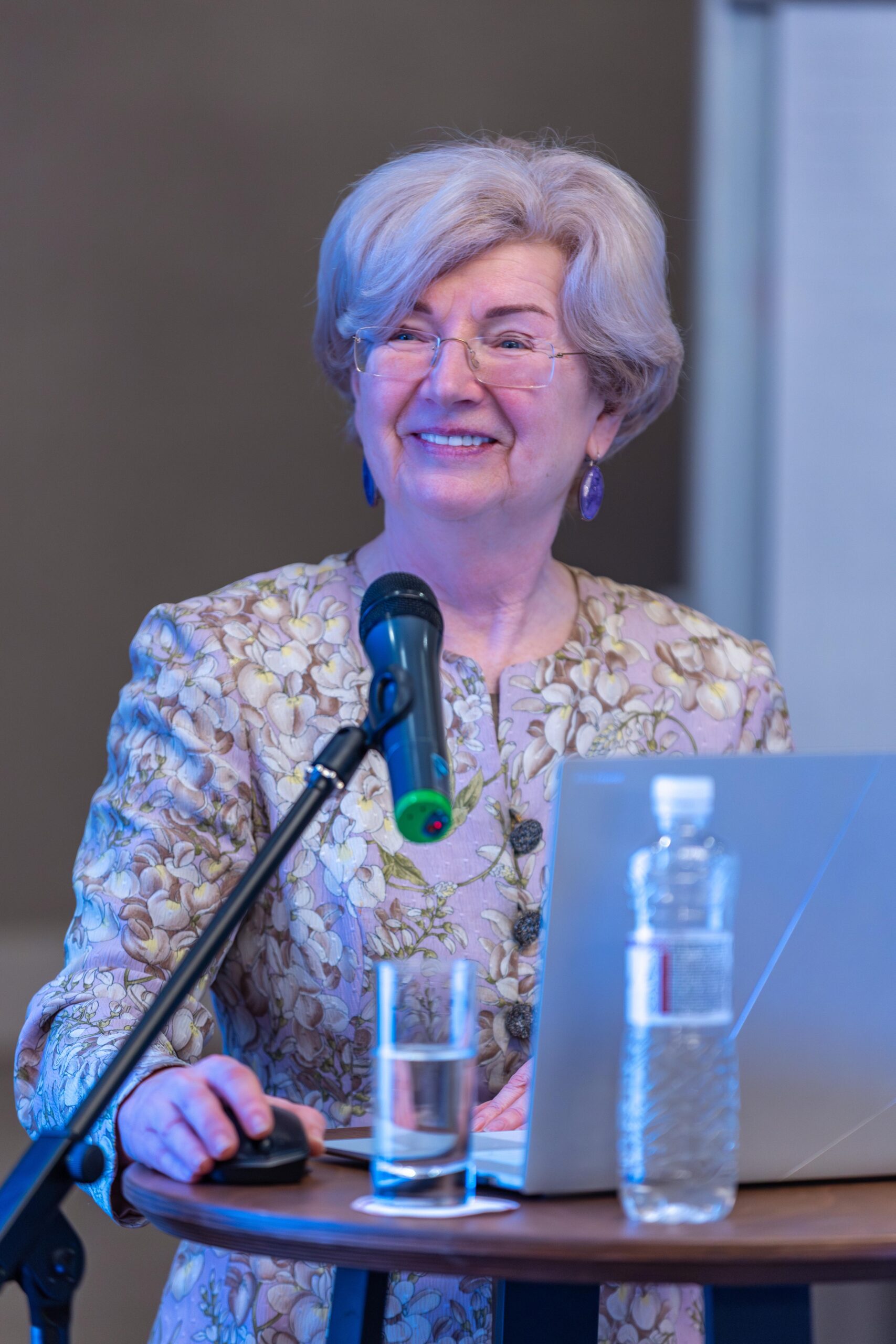
Opening the round table, Inguna Sudraba stressed that although audit methodologies and standards continue to develop, the real difference in audit quality lies in how auditors apply them in practice.
“Methodology creates structure, but value is created by thinking. Two audit teams may use the same standards and templates yet produce very different results. The difference is not technical — it is intellectual. Strong audit requires professional judgement, understanding of risk, and the ability to build justified assurance rather than simply compile lists of findings,” said Inguna Sudraba.
Drawing on her experience as former Auditor General of Latvia, she highlighted that institutional change begins not with new templates, but when auditors and leadership develop a shared understanding of the value audit should create.
The round table hosted a professional dialogue on the distinction between “control logic” focused primarily on detecting violations, and “audit logic” aimed at assessing risks, evaluating systems of control, and providing reasonable assurance to stakeholders. Through practical examples from procurement, payroll, and financial reporting, participants discussed how audit can move from identifying isolated problems towards strengthening the reliability of systems and public trust.
Particular attention was given to the concepts of materiality, audit risk, and professional judgement. Speakers underlined that the strength of audit is not measured by the number of findings, but by the quality of analysis, the reliability of conclusions, and the extent to which audit helps institutions understand and manage risks.
“External and internal audit are two important points of communication. Internal audit serves as an advisor to the head of a public authority, enterprise, or local government, forming the foundation of a robust risk management system. External audit, in turn, provides an independent assessment of the effectiveness and maturity of these systems,” Olha Pishchanska highlighted.
The event formed part of EU4PFM’s broader support to strengthening external audit and parliamentary oversight in Ukraine, including through methodological assistance, professional training, institutional development, and the promotion of modern audit culture based on assurance, risk assessment, and professional responsibility.