EU4PFM study visit to Denmark explores best practices in programme-based budgeting
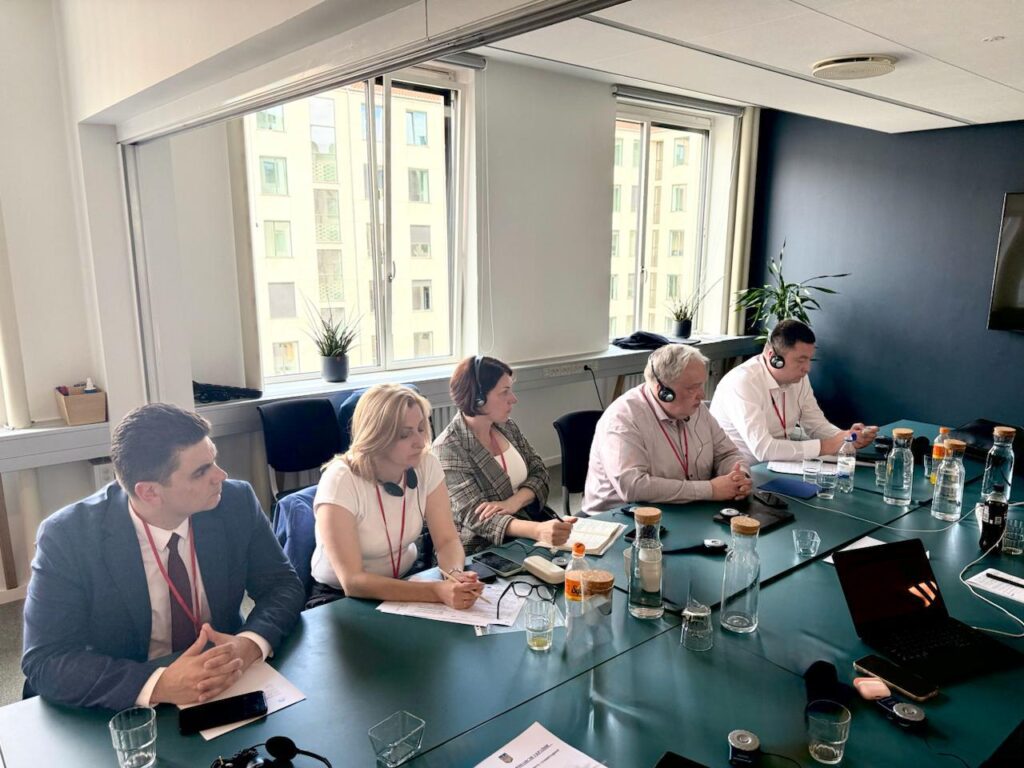
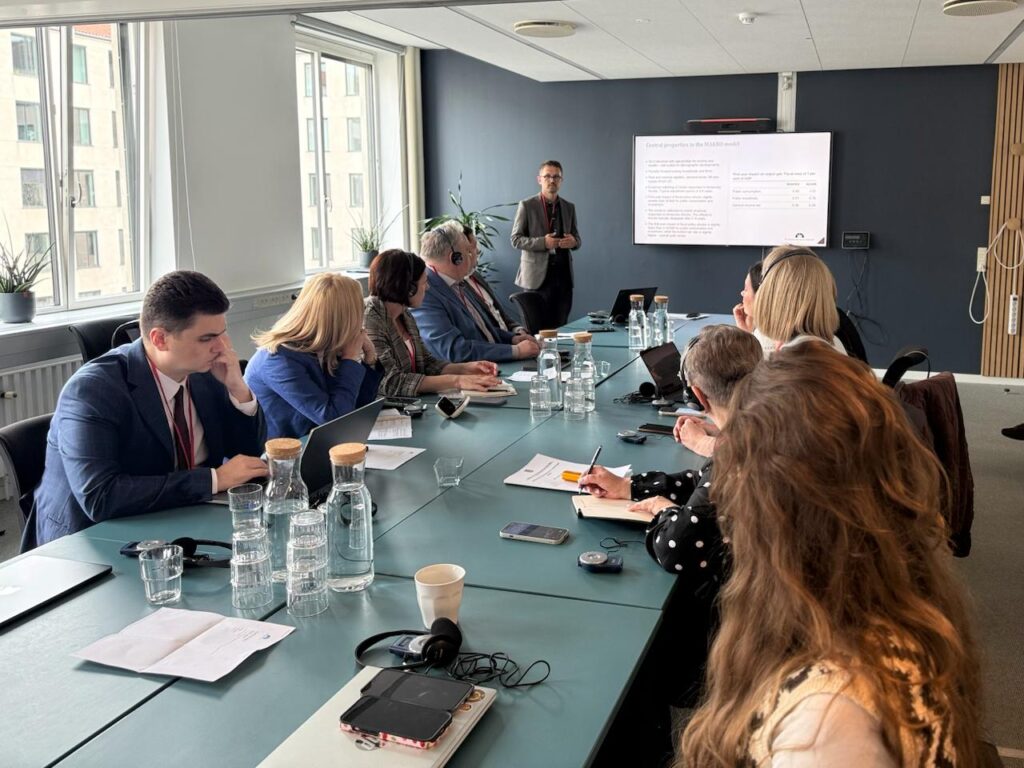
EU4PFM and the Ministry of Finance of Ukraine launched a pilot project in March this year to strengthen programme-based budgeting practices at the state level. As part of a three-step implementation approach, a Ukrainian delegation has arrived in Copenhagen for a study visit to Denmark – a country recognised for its highly developed and well-functioning public finance management system.
The delegation, comprising representatives of the Ministry of Finance of Ukraine and the Ministry of Education and Science of Ukraine, selected as the pilot institution, will spend three days learning from Denmark’s experience in medium-term planning, strategic planning, resource allocation and fiscal governance.
Day 1: fiscal architecture and medium-term budgeting
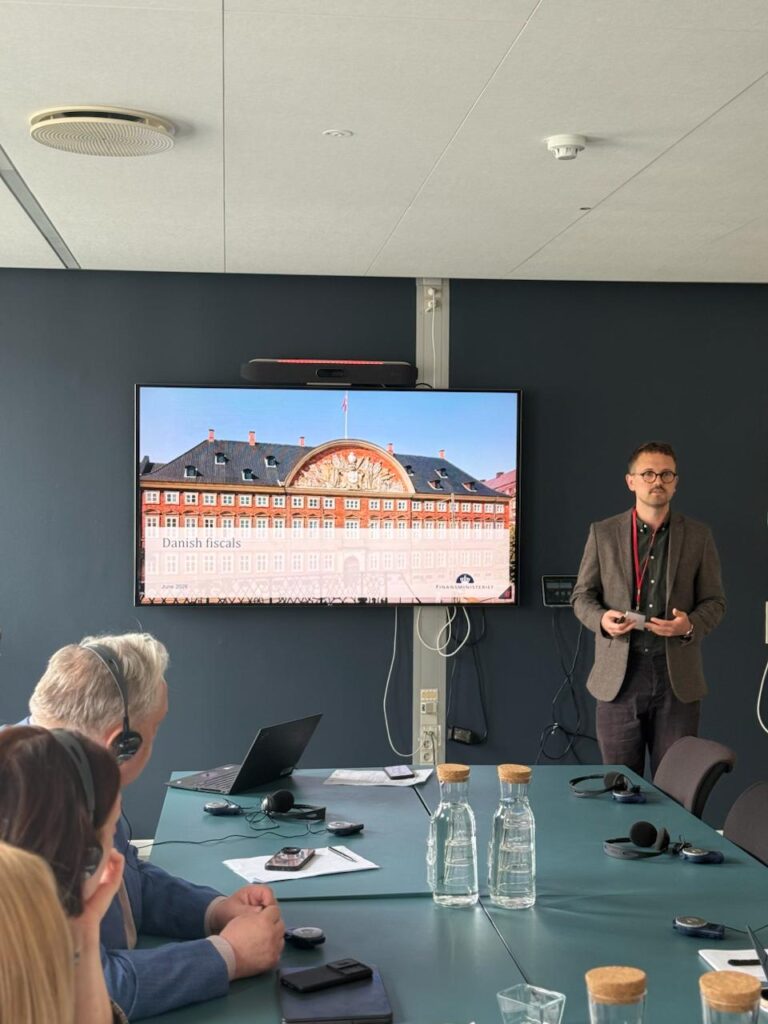
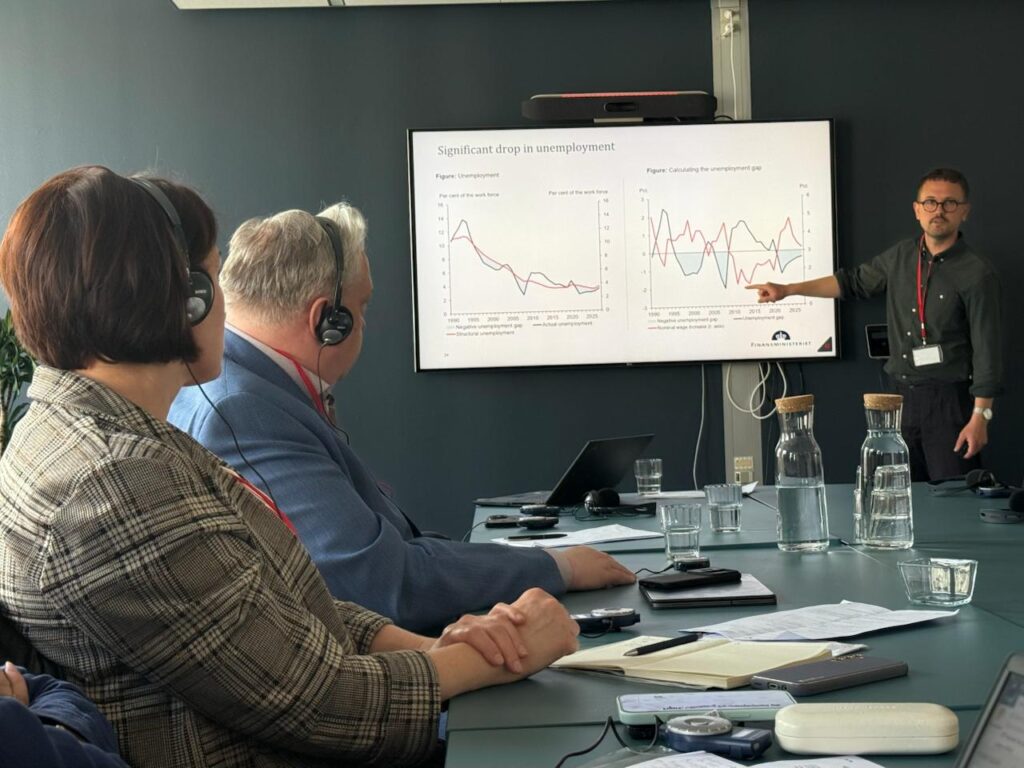
The first day featured presentations by representatives of the Agency for Public Finance and Management within Denmark’s Ministry of Finance. It covered the fundamentals of Danish public finance management and fiscal governance. Topics included:
- the Danish PFM architecture and fiscal governance framework
- macro-fiscal forecasting, fiscal rules, and the establishment of expenditure ceilings
- coordination of public spending between the central government and decentralised local and regional authorities
- integration of long-term political agreements and strategic plans into medium-term expenditure frameworks
- practical application of the “1 + 3 years” forecasting mechanism to ensure financial predictability
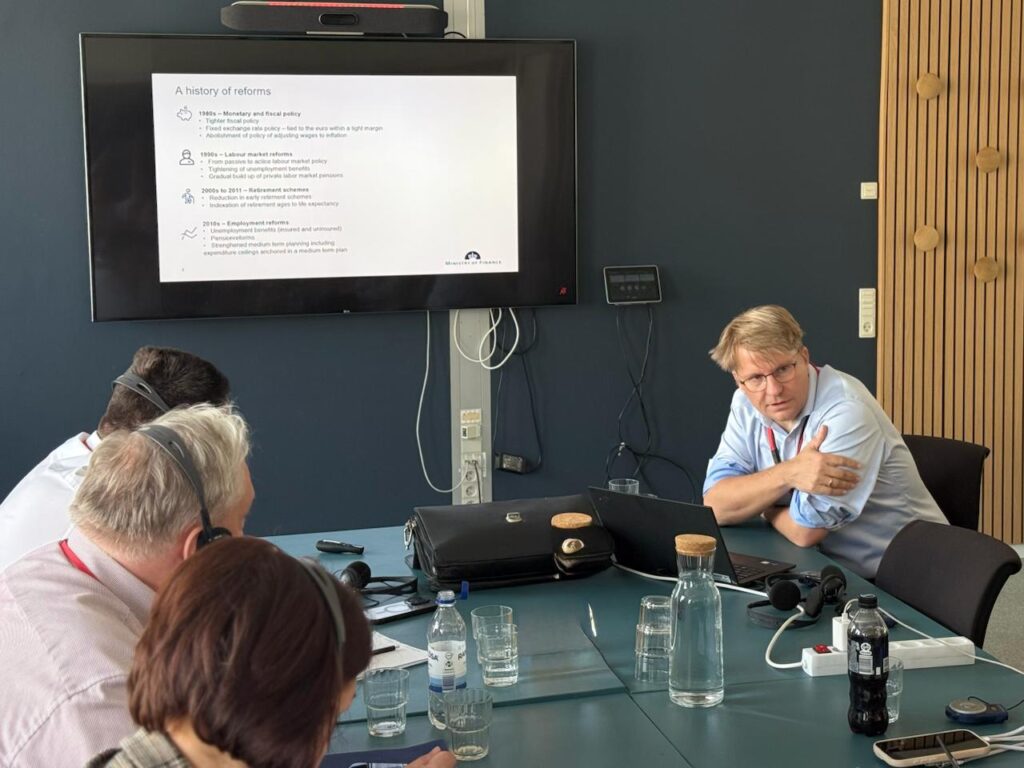
A key takeaway from the day’s sessions was the central role of long-term and medium-term planning in shaping sound economic policy. In Denmark’s experience, it has served as the foundation for numerous reforms and initiatives over several decades, helping to set targets for sustainable public finances, align tax and expenditure policy and support structural improvements in employment and productivity.
Over the past 40 years, Denmark has undergone a significant transformation of its public finance system, with around 50 reforms implemented during this period. Major milestones include the shift from a savings-driven approach to a broader reform strategy in 2006, and a regime shift in 2011 introducing the principle of prudence, requiring expenditure to be financed in advance. Key elements of the current framework include:
- a Budget Law enshrining fiscal discipline in legislation
- four-year expenditure ceilings to ensure spending grows as planned
- a structural balance requirement capped at -1.0% of GDP
- a fiscal architecture in which regions and municipalities account for approximately three-quarters of total public expenditure.