EU4PFM study visit to Denmark ongoing: highlights from day 2
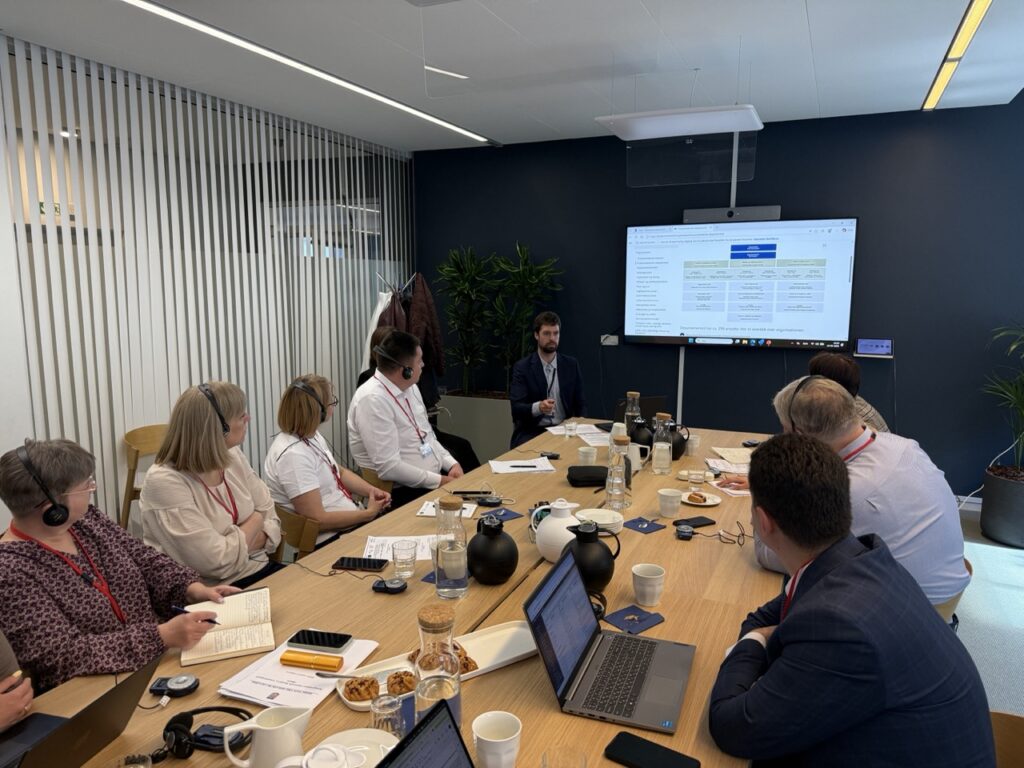
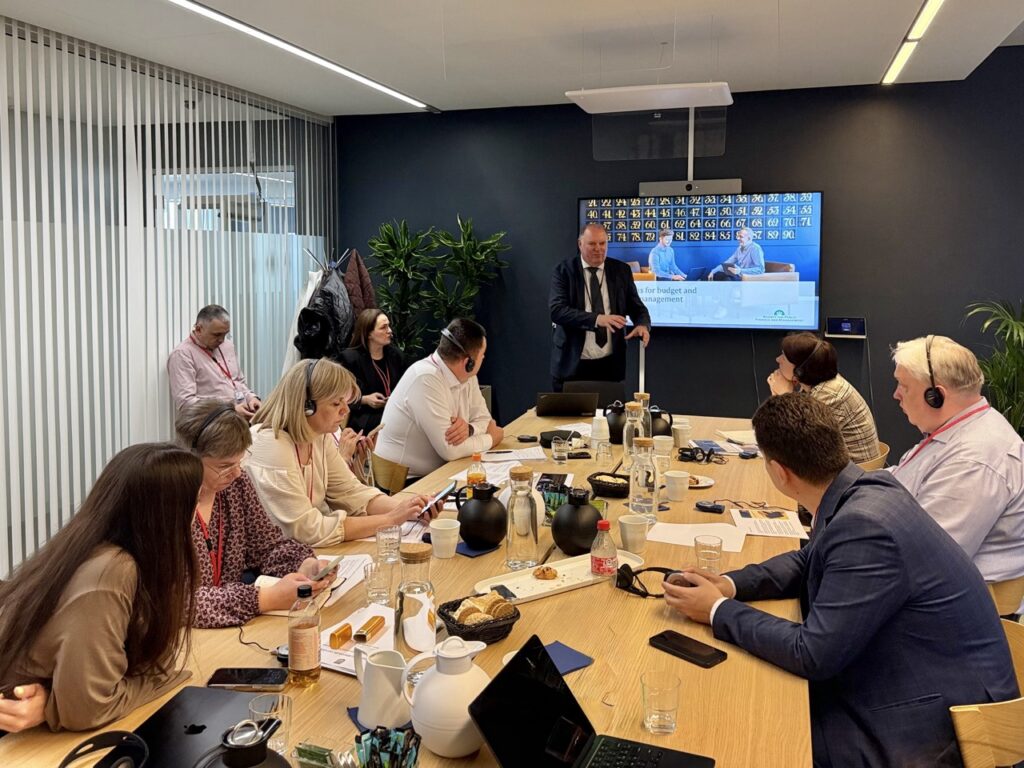
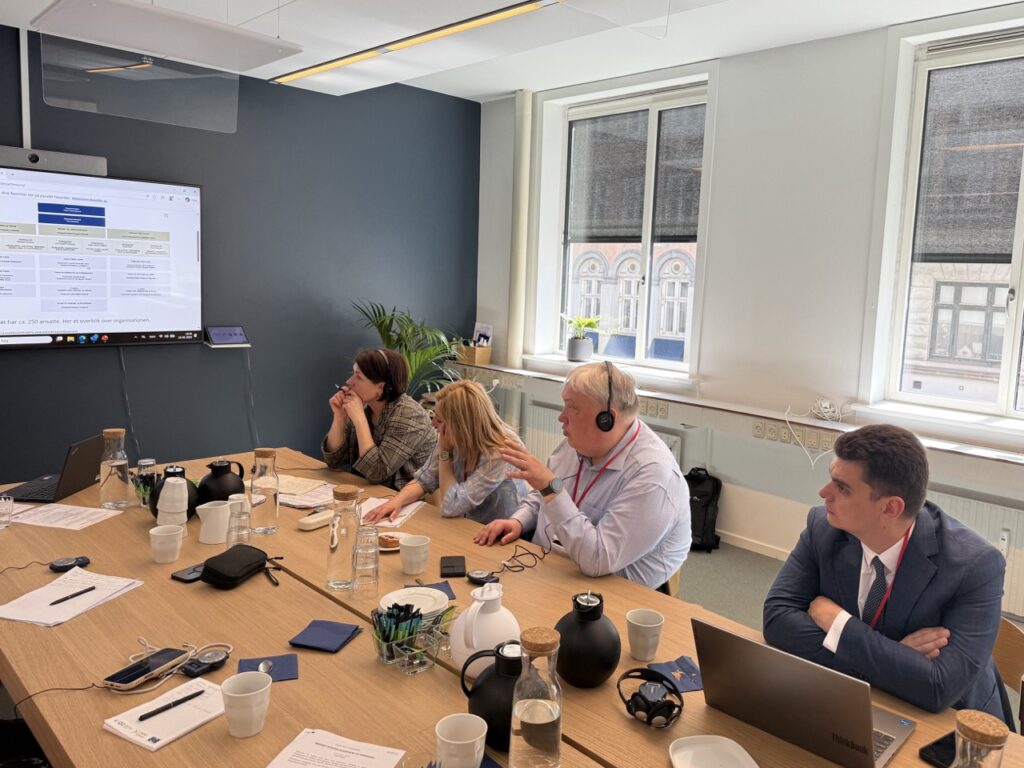
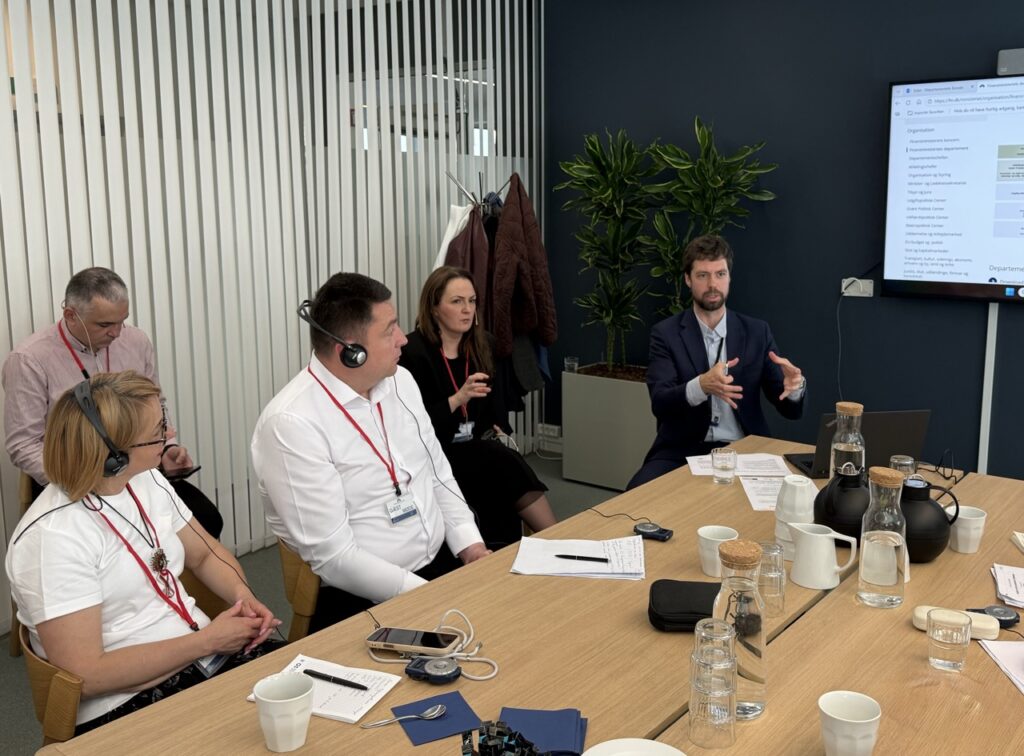
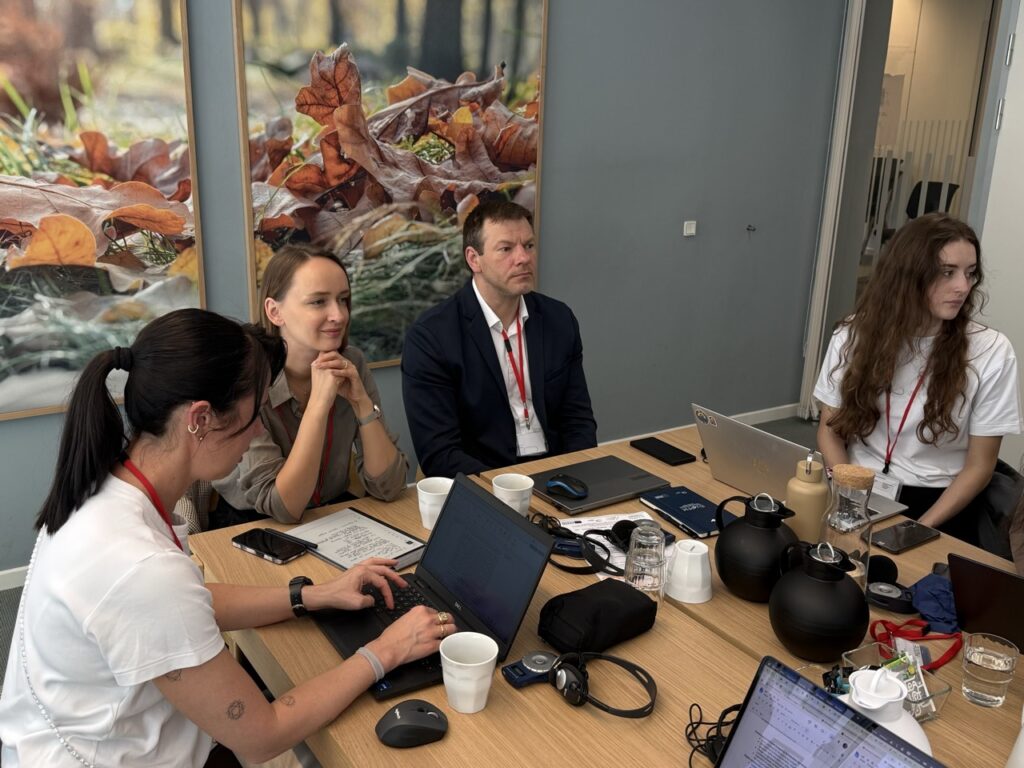
The study visit’s second day opened with a profound dive into performance-informed budgeting — its architecture, methodology and practical application in the Danish context. Participants explored the Danish political system and fiscal framework, in-year budget execution and flexibility mechanisms, as well as experiences of performance-informed budgeting in practice.
Key features of the Danish political system and budget framework:
- tradition of multi-party minority governments
- tradition of broad political agreements across the aisle on most issues
- decentralised public sector — municipalities and regions account for around 3/4 of overall public expenditure
- the annual budget is a “must-pass” bill, covering around 1400 appropriations across 21 ministries
- small Cabinet Office with strong government coordination through the Ministry of Finance, which chairs the standing government committee on finance and is involved in all policy formulation
- National budget divided into 32 paragraphs: Royal Household, Parliament, Ministries, and common paragraphs covering revenue, interest and certain pension schemes
- general reserves covering three categories: specific purpose (e.g. police), political frame (for in-year proposals) and unforeseen expenditures
- 8 appropriation types, including operating expenditures, subsidies, investments and mandatory spending.
The afternoon session focused on Denmark’s digital financial management systems. Erik Hammer, Head of the IT Division of the Agency for Public Finance and Management within Denmark’s Ministry of Finance, traced their evolution from the early 1970s, when Denmark began building centralised systems for central government financial management, marking the start of a long-term shift toward digital public administration.
Today, Denmark operates a portfolio of solutions selected on a “best fit” basis, which combines standard and tailor-made products, as well as cloud/SaaS and on-premise systems. Data exchange between systems runs through a central integration platform, while newer systems are supported by centralised master data management and user administration.
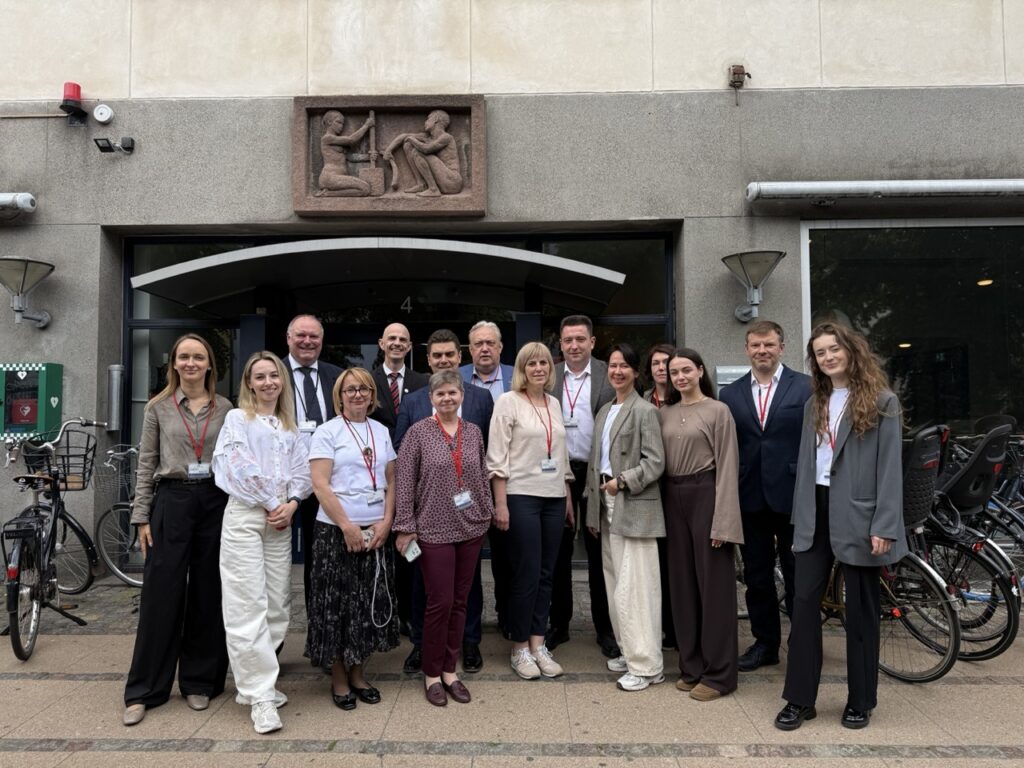
The EU4PFM team expresses its sincere gratitude to Danish colleagues from the Agency for Public Finance and Management for the insightful and valuable exchange of experience, as well as for the warm hospitality throughout these two days.