From cooperation to coordinated assurance: 11th Forum of Internal and External Auditors focuses on improving audit effectiveness in Ukraine
How can public sector auditors work more effectively together, avoid duplication of efforts and ensure that important risks do not go unnoticed?
The 11th Forum of Internal and External Auditors, “From separate audits to coordinated assurance: Mapping risks, responsibilities and assurance in Ukraine’s public sector”, held in Kyiv on 23 October with the support of the EU4PFM Programme Component 5 “External Audit and Parliamentary Oversight”, provided an opportunity to explore these challenges and discuss practical ways to address them.
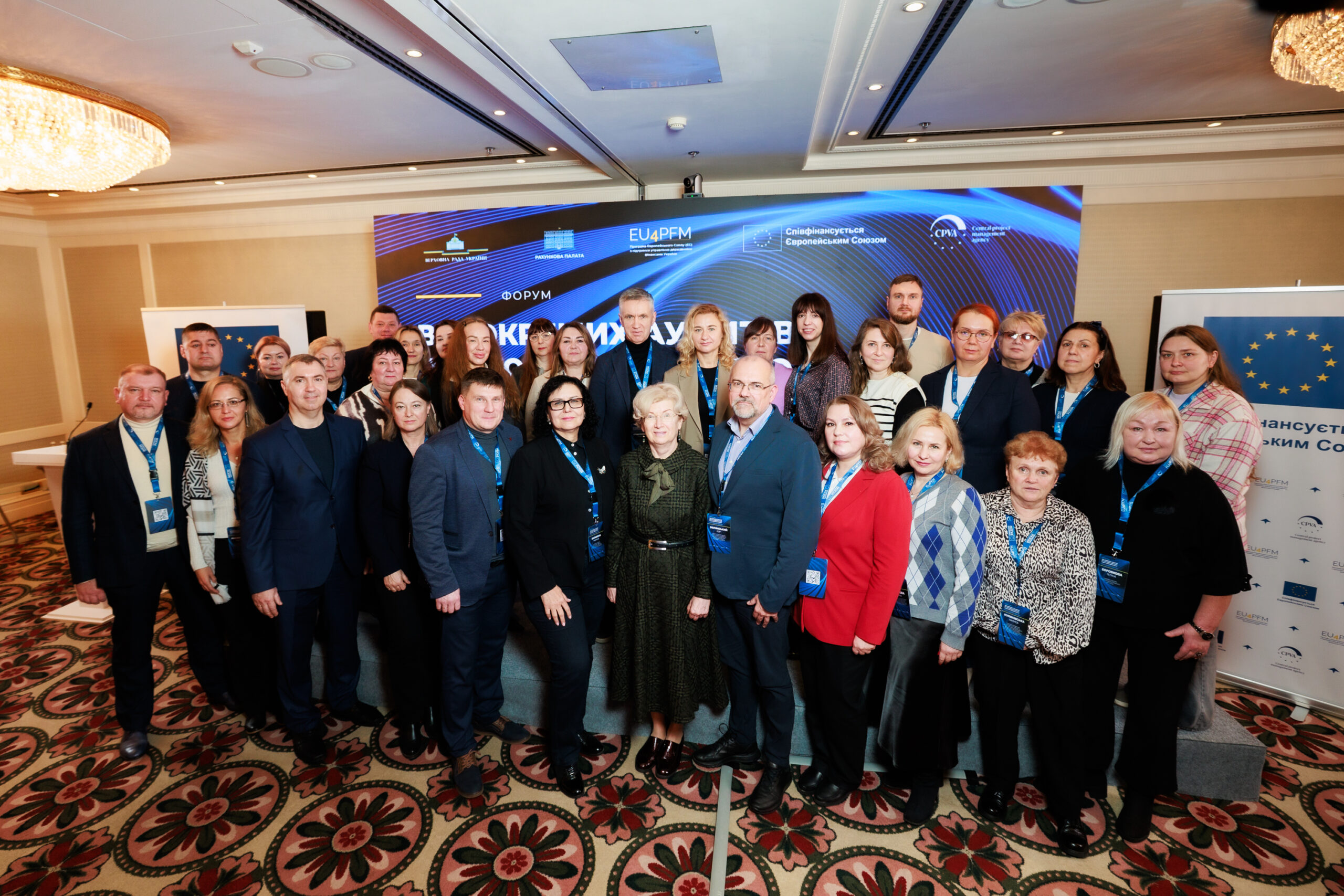
The Forum brought together representatives of the Accounting Chamber of Ukraine, the State Audit Service of Ukraine, internal auditors and European experts to discuss how stronger cooperation can improve risk management, strengthen public accountability and ensure more effective oversight of public resources.
Among those who opened the forum were Olga Pishchanska, Chairwoman of the Accounting Chamber of Ukraine; Inguna Sudraba, EU4PFM Component 5 Team Leader, Hanna Kryvenkova, Deputy Director of the Department of International Cooperation at the Ministry of Finance of Ukraine; and Ihor Volianskyi, Director of the Department of Strategic Planning, Reporting and Coordination of State Financial Control Activities at the State Audit Service of Ukraine.
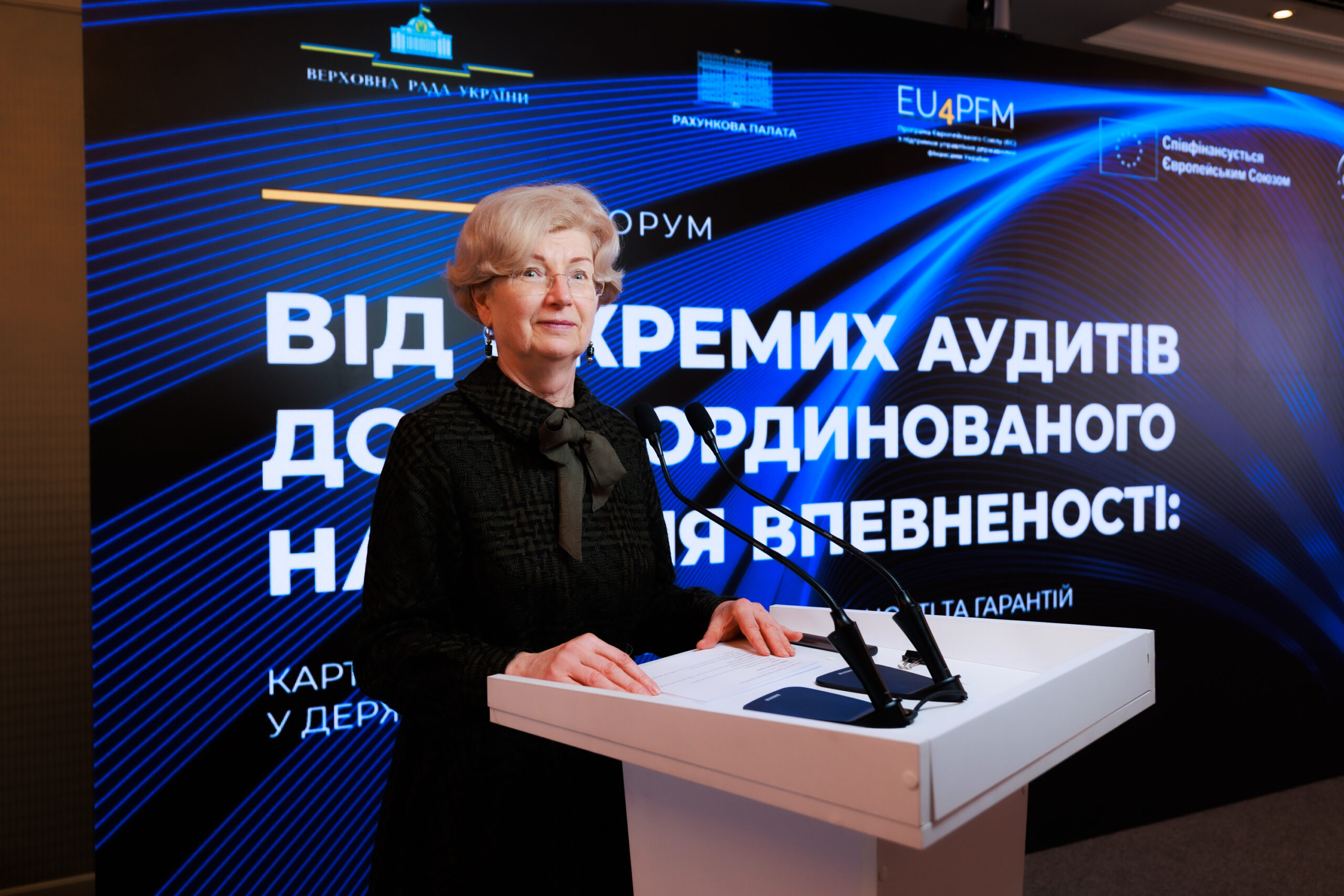
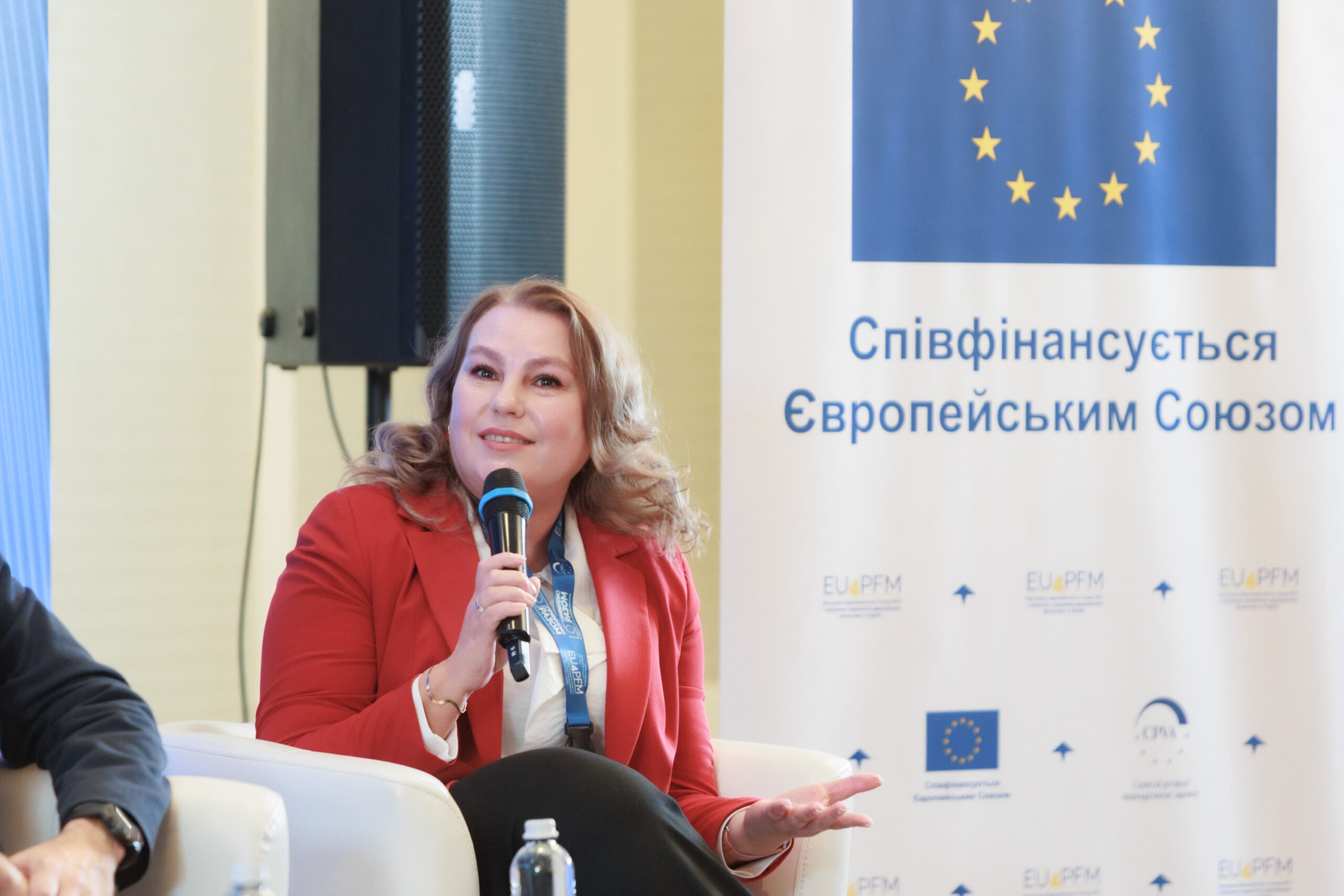
In her opening remarks, Olga Pishchanska, Chairwoman of the Accounting Chamber of Ukraine, highlighted the need for a more comprehensive approach to public sector auditing, focusing on systemic risks and the underlying causes of inefficiencies.
Drawing on the Accounting Chamber’s experience, she stressed that significant problems in public financial management often extend beyond individual institutions and involve interconnected decisions and responsibilities. Referring to audits of defence procurement, she illustrated how identifying inefficiencies requires examining the entire chain of processes rather than isolated transactions.
She emphasised that effective auditing means not only identifying violations, but also understanding their root causes and assessing risks across institutions to deliver meaningful results and improvements in public financial management.
Inguna Sudraba, EU4PFM Component 5 Team Leader, reflected on the progress made since the first Forum of Internal and External Auditors in June 2023. Over the course of ten previous forums, participants have explored cooperation between audit institutions, coordination of audit planning, the use of internal audit findings, audit recommendations, internal control and professional judgement.
The 11th forum marked a further step in this process, shifting the focus towards assurance mapping — a practical approach that helps institutions understand which risks are already covered by audit and control activities, where responsibilities overlap and where important gaps remain.
💬 “Our purpose is credible assurance where it matters most. For Ukraine, that includes reconstruction, public services and the protection of national and EU funds,” Inguna Sudraba emphasised.
She also highlighted that closer coordination does not mean compromising the independence of audit institutions. Each institution retains its own mandate and responsibility for its conclusions, while cooperation helps auditors better understand one another’s work and make more effective use of limited resources.
The discussions continued with an overview of recent developments in the Accounting Chamber of Ukraine, the State Audit Service and internal audit, providing a broader picture of the evolving public sector audit landscape.
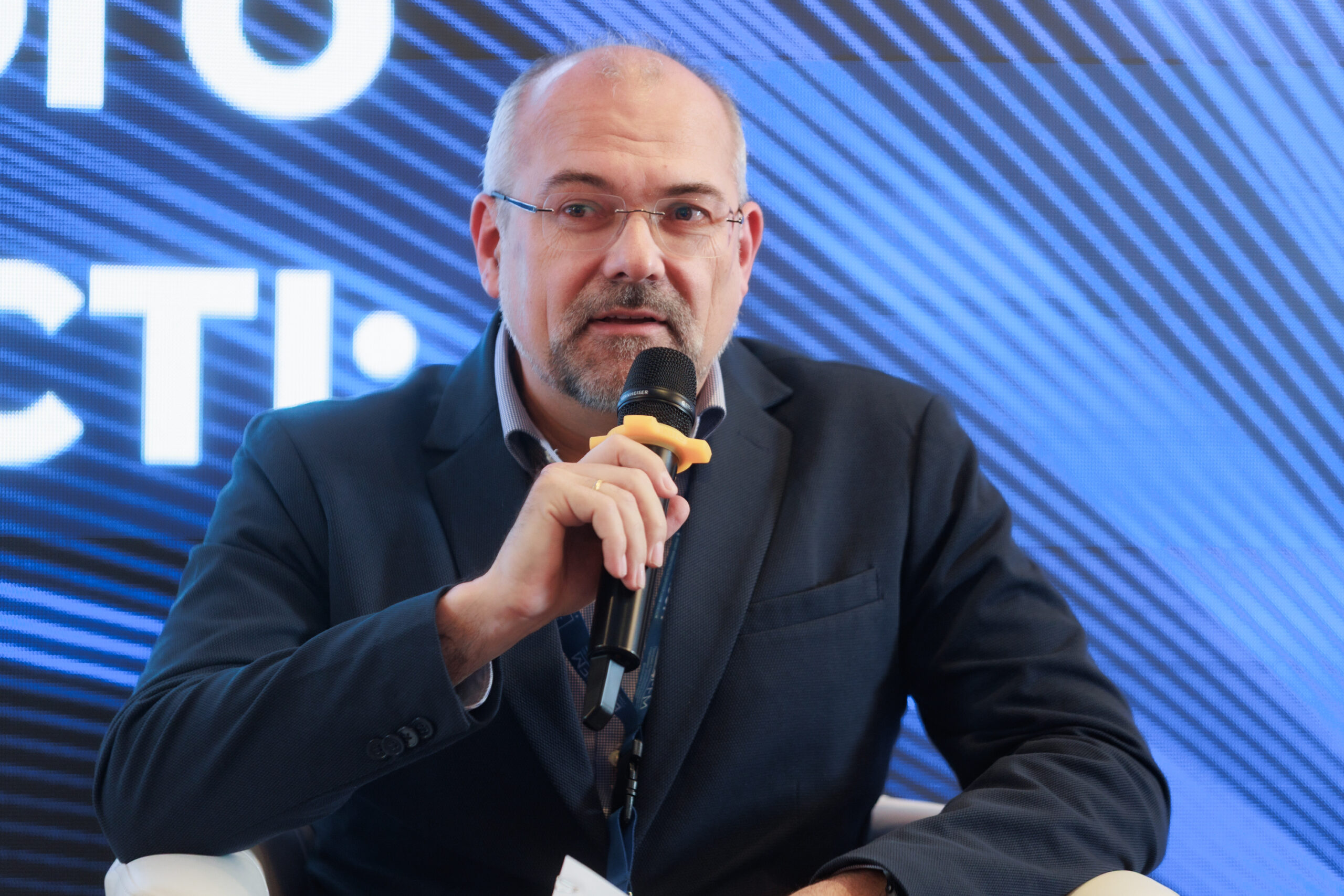
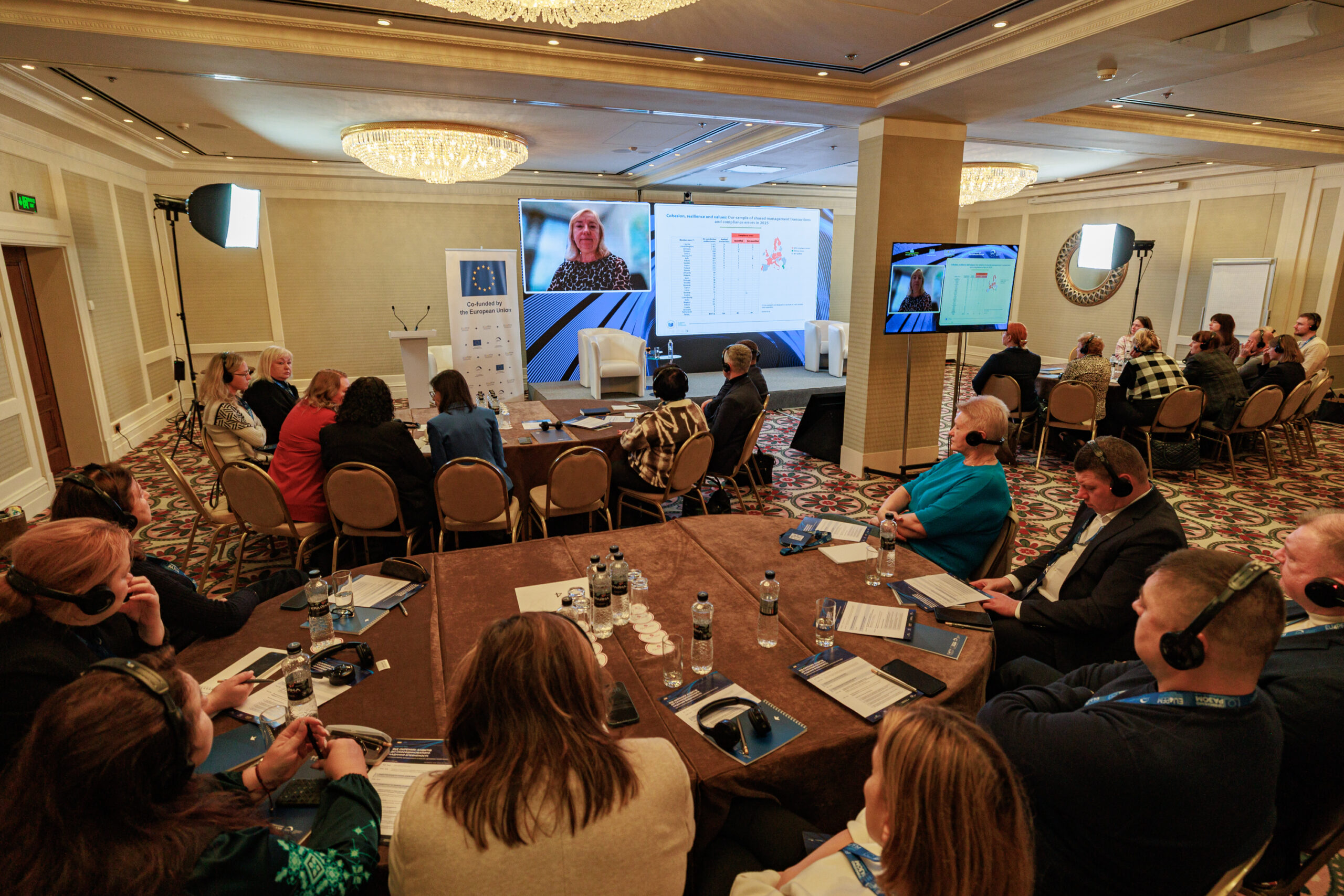
An important European perspective was provided by Sandra Dreimane, Principal Auditor at the European Court of Auditors (ECA), who shared the ECA’s experience in risk assessment and cooperation with national audit institutions and internal and external auditors.
She explained how the ECA identifies areas requiring closer scrutiny, drawing on previous audit findings, information from EU institutions and national audit bodies, and emerging risks.
The presentation also addressed cooperation with national audit authorities in overseeing EU funds. Drawing on findings from the ECA’s 2025 annual report, Sandra Dreimane illustrated why the work of other auditors can be a valuable source of information, but must be carefully assessed before being relied upon.
The ECA’s experience demonstrates that effective cooperation requires not only information exchange, but also confidence in the quality of audit work, the evidence collected and the reliability of conclusions.
The role of internal audit was another important topic. Internal audit reports can help external auditors identify weaknesses in management and control systems, understand risks and assess whether corrective measures have been taken.
Building on these European examples, participants explored how Ukrainian audit institutions could make better use of existing audit work while maintaining their distinct responsibilities and professional independence.
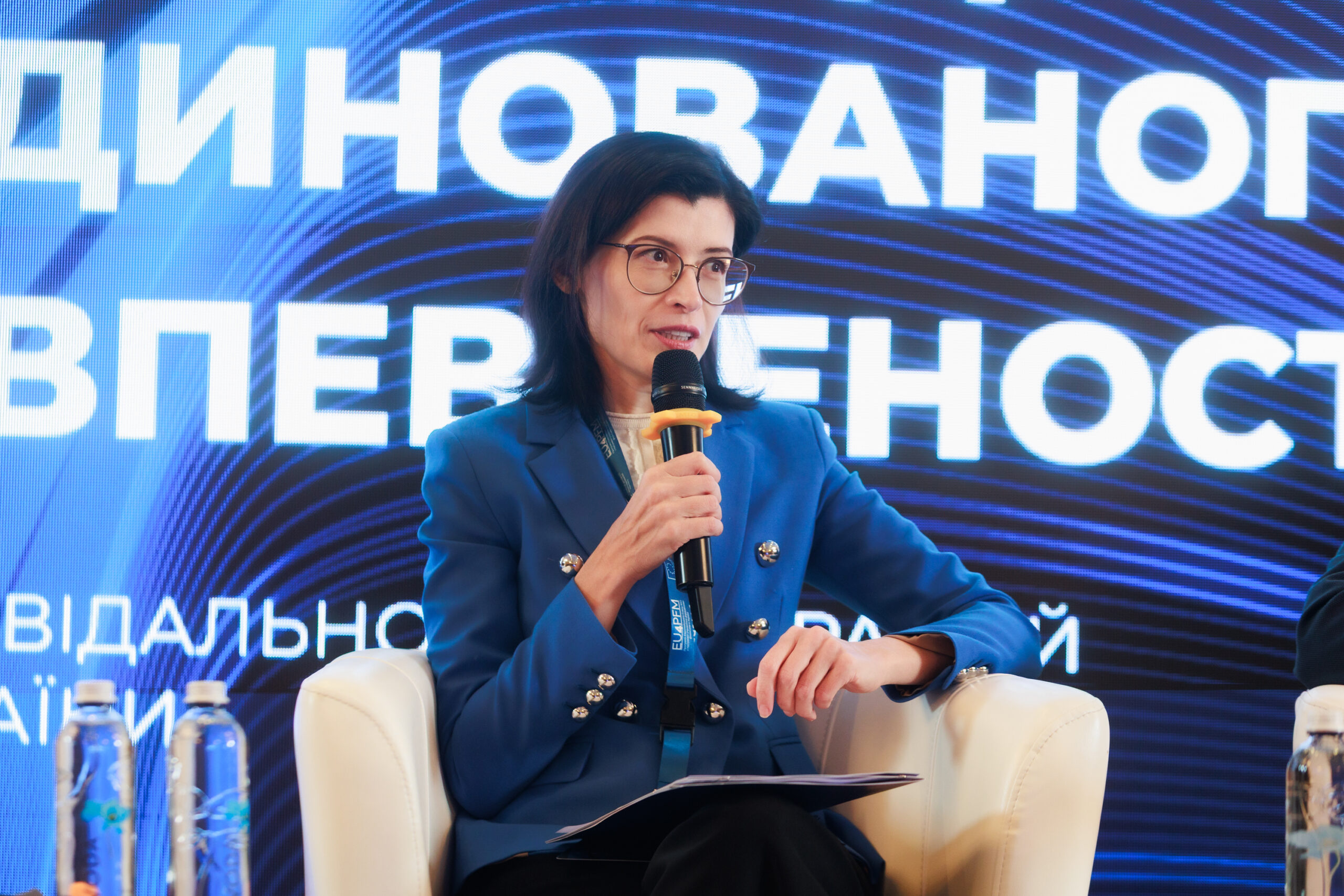
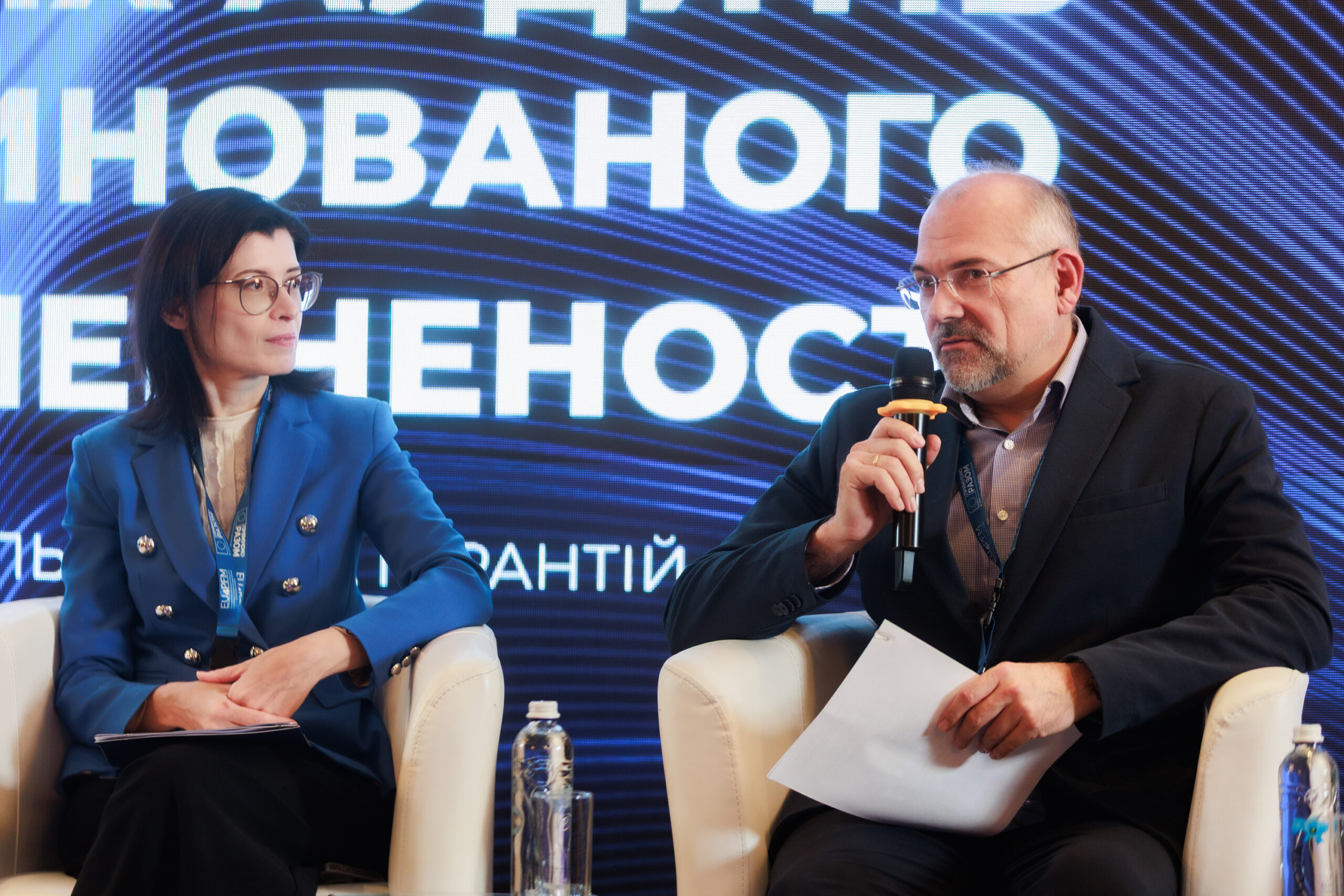
During a panel discussion moderated by Tetiana Borovkova, representative of the Accounting Chamber of Ukraine, participants addressed practical questions: how to identify duplication and uncovered risks, under what conditions auditors can rely on one another’s work, and how information can be shared without compromising confidentiality.
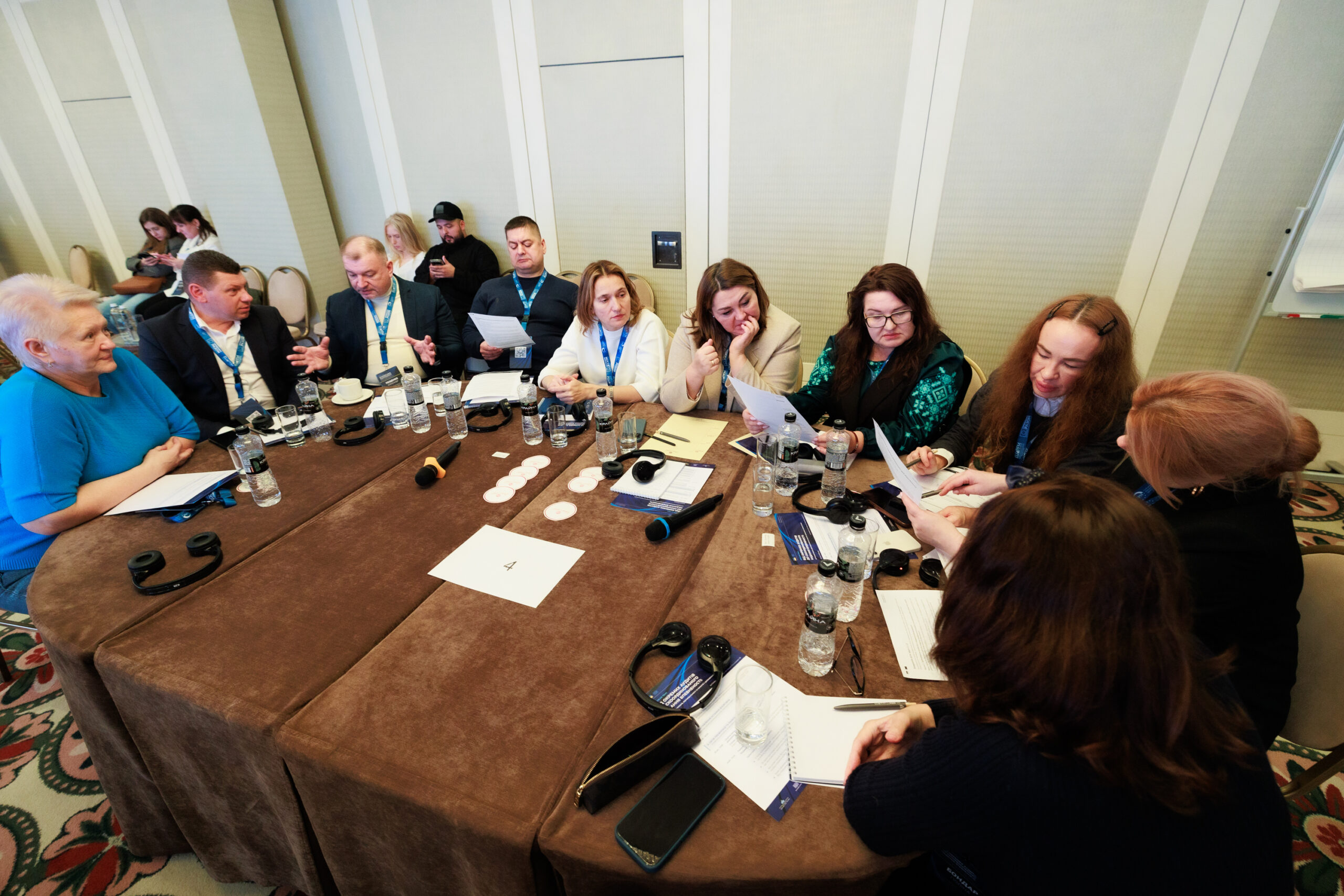
The forum also moved beyond presentations and discussions to practical application. Working in groups, participants developed an assurance map based on a case study, examining how risks, management responsibilities and existing audit activities can be brought together to provide a clearer picture of assurance coverage.
The exercise encouraged participants to look not only at whether a particular risk is being audited, but also at the scope and quality of that work, and whether further coordination could help close gaps or avoid unnecessary duplication.
The forum concluded with a discussion of possible next steps, including identifying an area where a pilot approach to assurance mapping could be explored, the institutions that could be involved and the practical or methodological issues requiring further consideration.
The central message of the Forum was that effective public sector oversight is not simply about conducting more audits, but about ensuring that the right risks receive credible assurance and that the work of different institutions complements rather than unnecessarily duplicates one another.
For Ukraine, this is particularly relevant in the context of reconstruction, the delivery of essential public services and the responsible management of national and EU funds.
Through Component 5, EU4PFM continues to support stronger external audit and parliamentary oversight in Ukraine, promoting European good practices and helping strengthen the capacity of public institutions to ensure transparency, accountability and effective use of public resources.