How to align Ukraine’s defence procurement framework with the EU acquis during war: EU4PFM held a workshop dedicated to the regulation of defence procurement
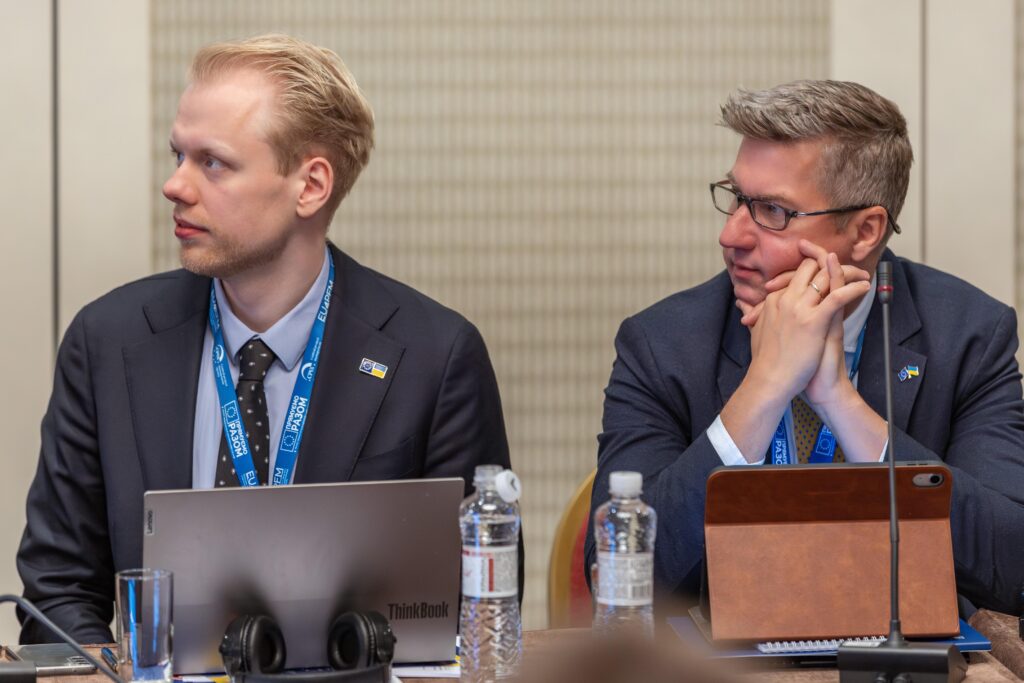
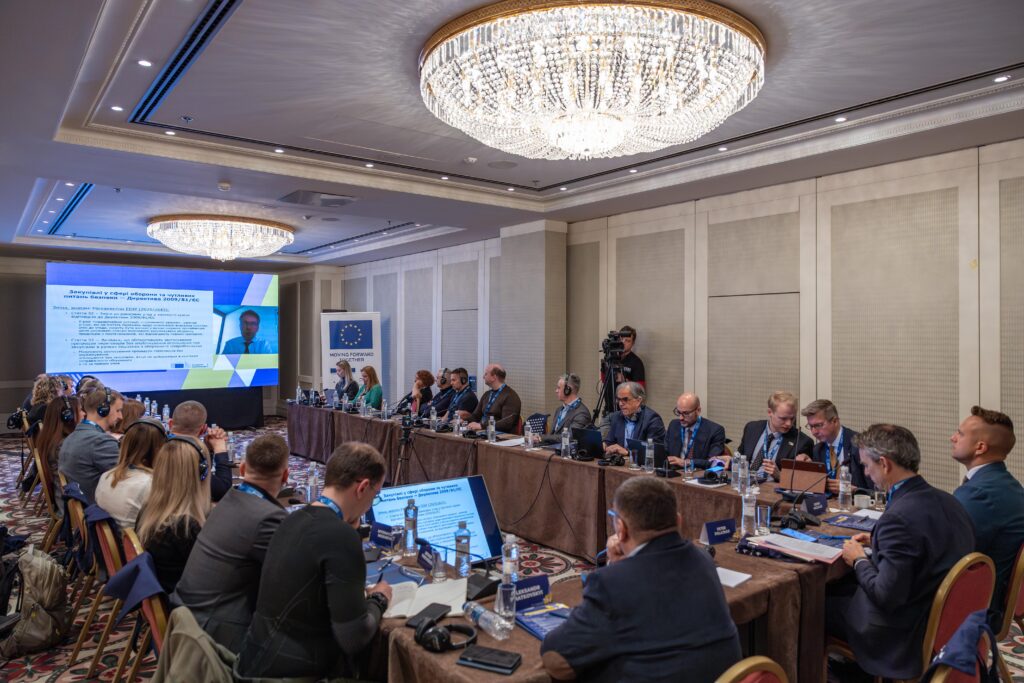
On April 28, EU4PFM Procurement Component organised a policy discussion “Defence Procurement Reform: Ukraine’s Path to EU Alignment”. EU accession remains among Ukraine’s principal aims, which means that legal harmonisation with the EU acquis – including in the area of defence procurement – is among the highest priorities. At the same time, implementation should not undermine Ukraine’s defence efforts.
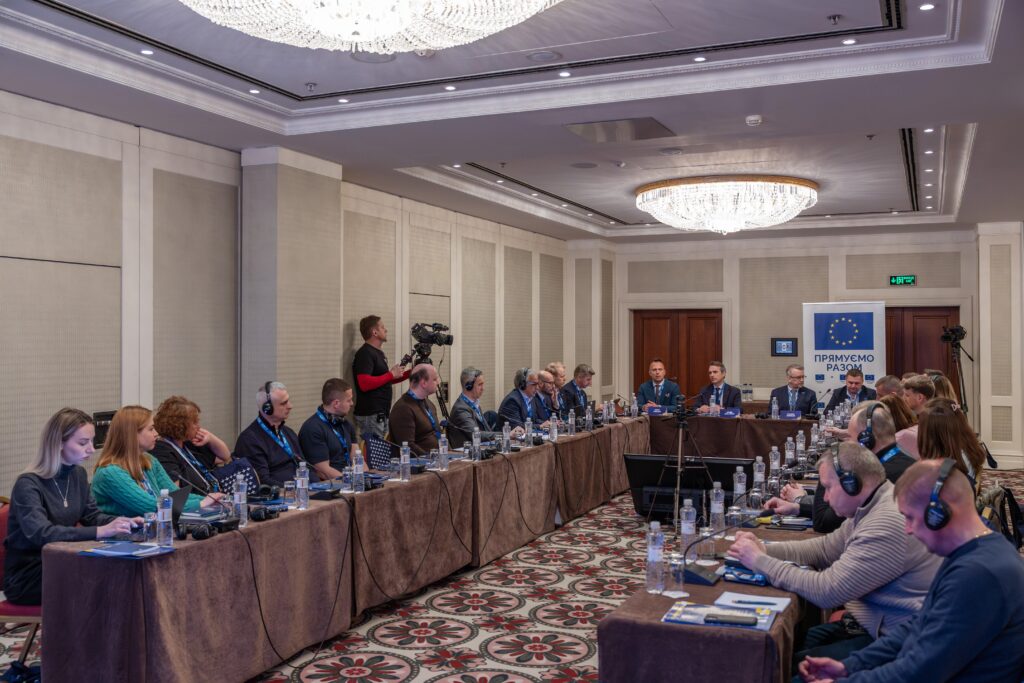
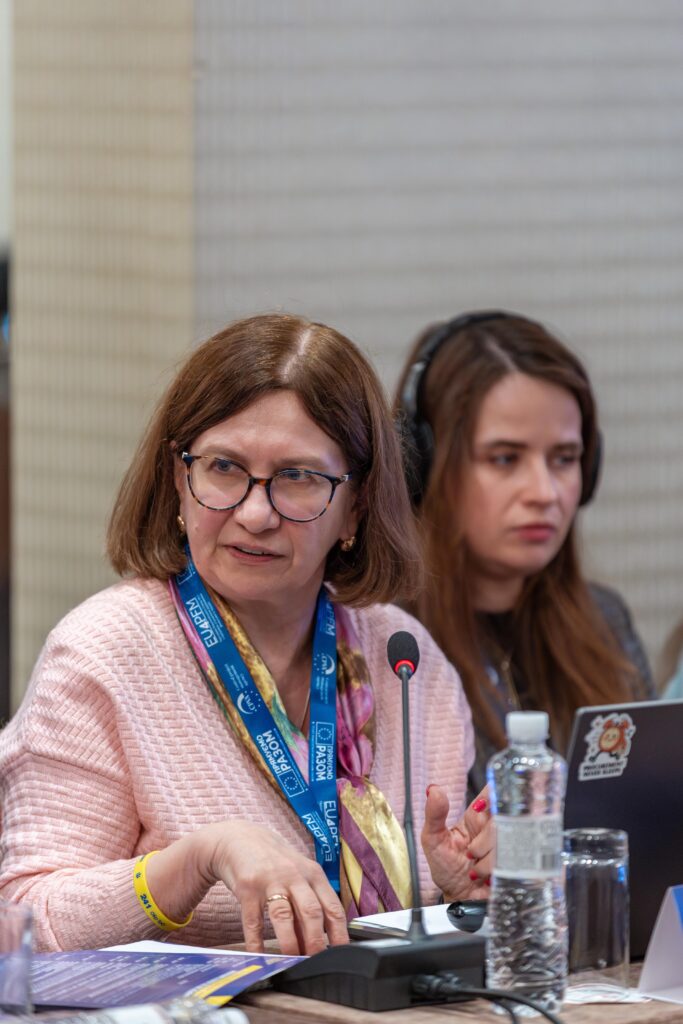
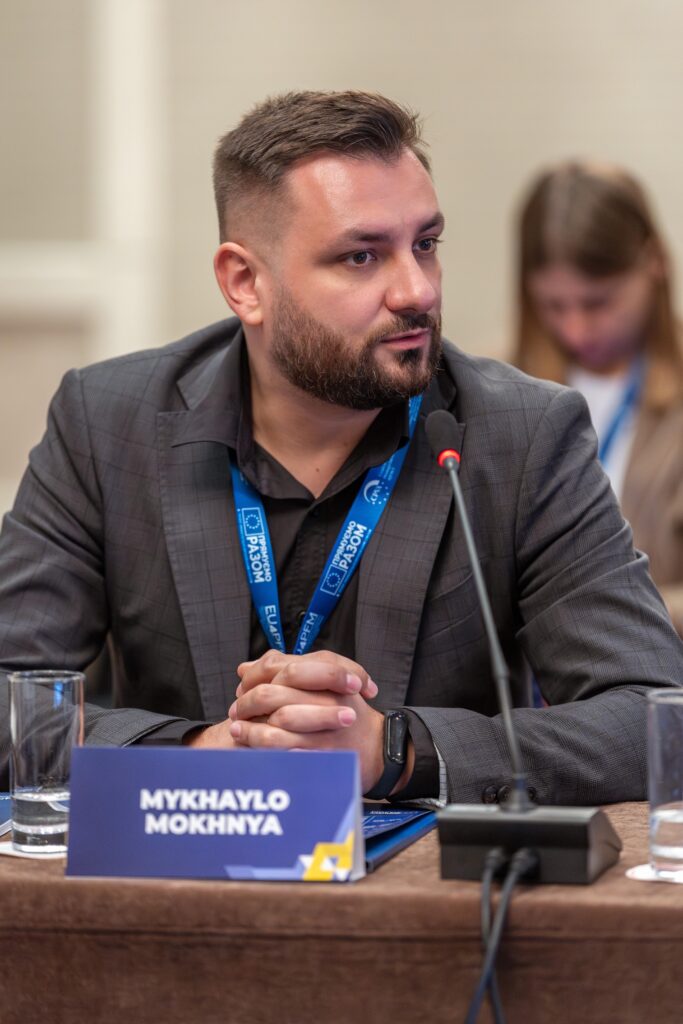
Held in a workshop format, the event provided an opportunity to discuss key principles of the defence procurement reform, including the main provisions and rationale behind the Defence Procurement Directive 2009/81/EC in conjunction with other EU procurement legal acts, as well as an overview of Ukraine’s defence procurement framework and its implementation, and to initiate and facilitate a debate on the roadmap for harmonisation, its challenges and possible solutions.
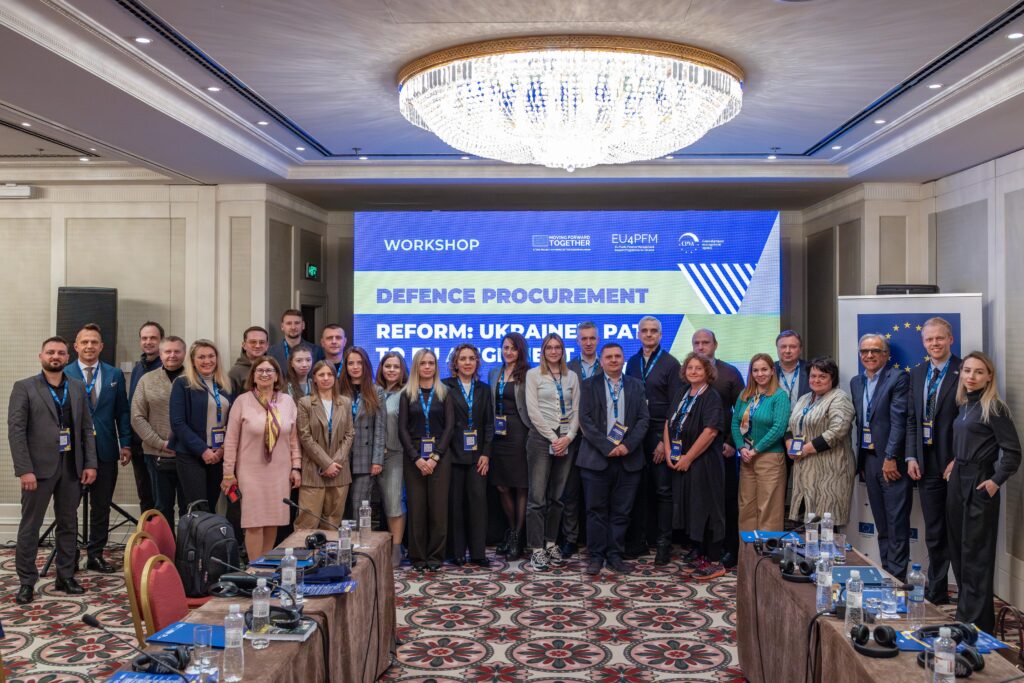
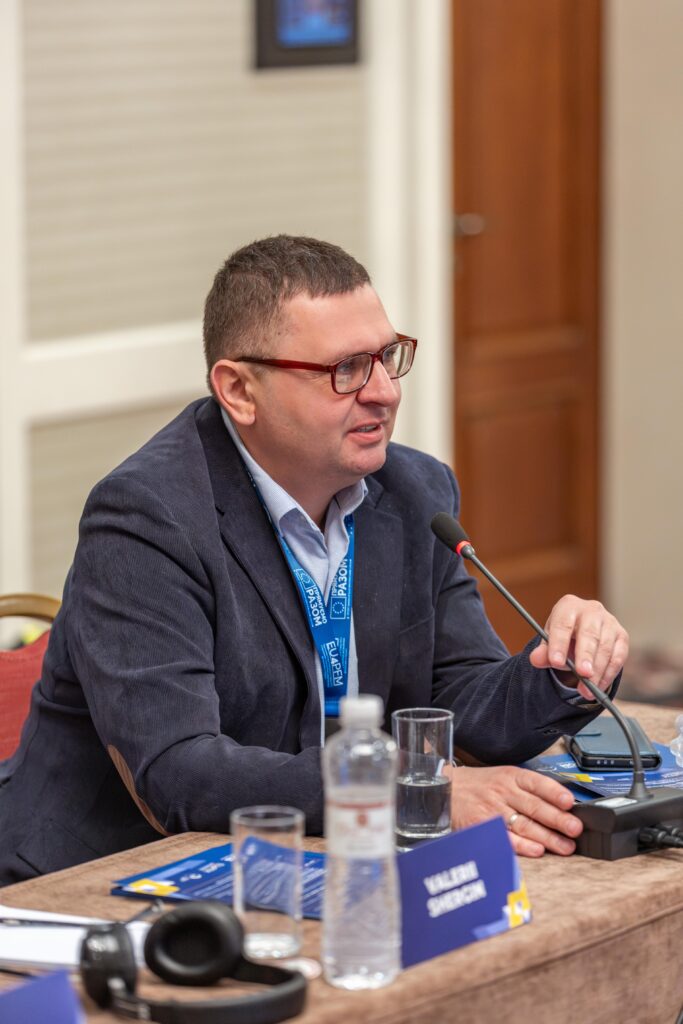
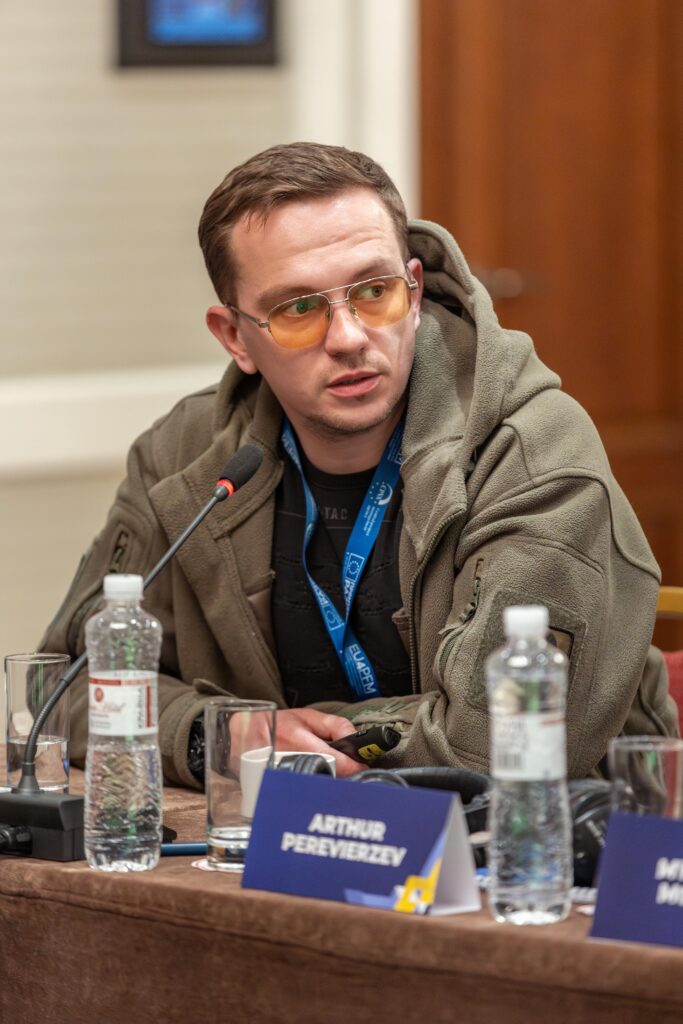
The event gathered representatives from the European Commission, European Delegation to Ukraine, Ukraine’s Ministry of Economy, Environment and Agriculture, the Ministry of Defence, the Ministry of Internal Affairs, the Security Service of Ukraine, the National Agency for Prevention of Corruption, the Verkhovna Rada, the State Audit Service, the Accounting Chamber, and other stakeholders.
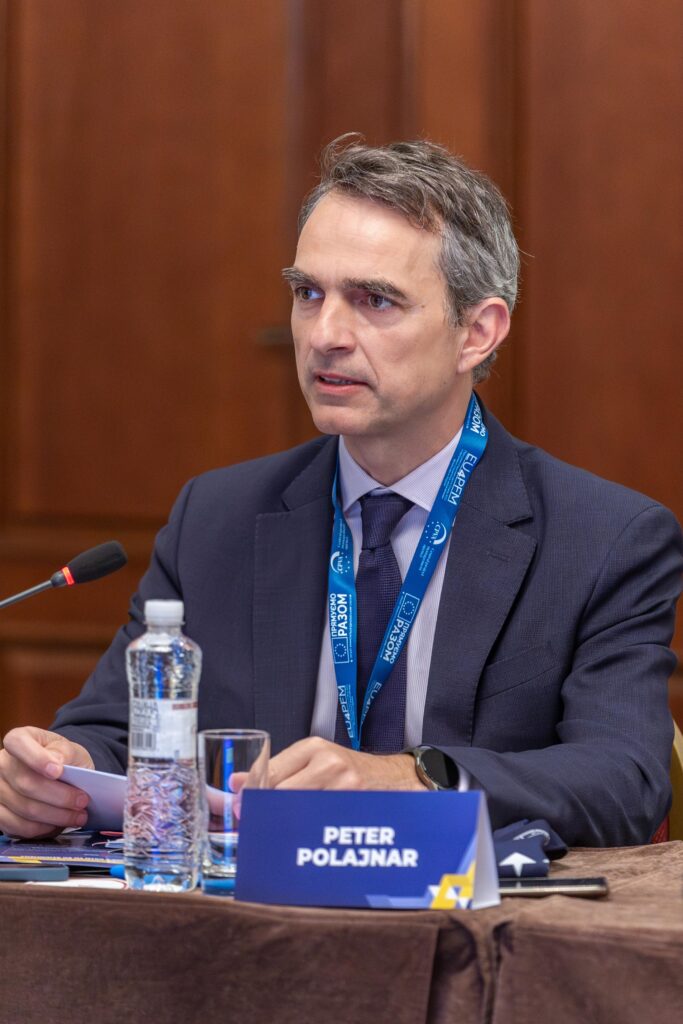
In the opening remarks, Peter Polajnar, Deputy Head of Unit, Directorate-General for Enlargement and Eastern Neighbourhood (DG ENEST) of the European Commission, said:
“Defence procurement regulates how public funds are spent. A significant share of the funding used in Ukraine comes from the EU, reflecting our strong commitment to supporting Ukraine during the war. European taxpayers need to be confident that the assistance provided to Ukraine is spent in line with proper procedures.
At the same time, in the area of defence, this is particularly challenging because it involves national security issues and is a matter of survival. We have to find the right balance between respecting the rules, ensuring transparency and accountability, and protecting national security. The European Commission will continue to guide Ukraine throughout this process.”
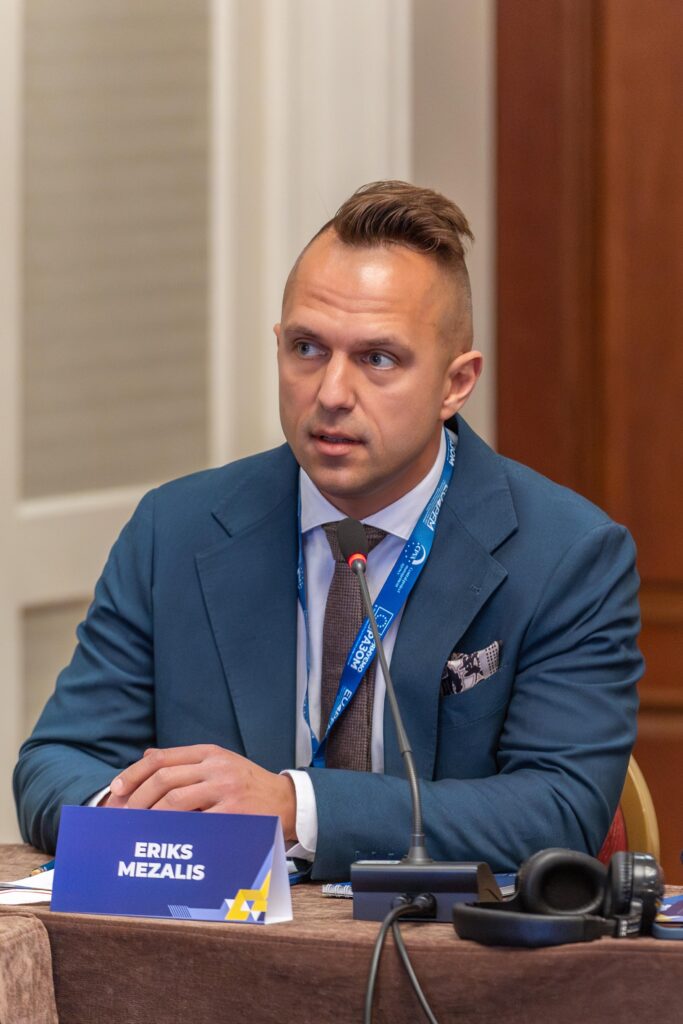
Eriks Mezalis, Team Leader of EU4PFM Public Procurement of Component added:
“Even in peacetime, aligning with EU directives is a significant challenge. This task is significantly more complex during a war – not only because our Ukrainian partners operate under immense pressure, but also because we are addressing defence acquisitions. This is the very process that secures the country’s defence. Our goal is not a ‘copy-paste’ exercise or a mechanical transposition of rules just to tick a box. We need to develop a solution that, on the one hand, is compliant with the EU standards, while, on the other hand, does not hinder, and even enhance, the procurement process to support Ukraine’s defence.”
Today’s workshop marked the first step in the transformation process, bringing together all stakeholders on the path towards the successful adoption of legislation that will align Ukraine’s defence procurement framework with EU directives.
Info:
Ukraine, due to its EU candidate country status, has undertaken an obligation to harmonise its legal system with the provisions of the EU acquis. This includes the defence procurement legal framework as well. In the EU, defence procurement is regulated by the Defence Procurement Directive 2009/81/EC. Ukraine’s defence procurement legislation has not yet been harmonised with the aforementioned Directive. Such harmonisation, however, is indicated as one of the key goals in the Preamble to the Law of Ukraine “On Defence Procurement”.
Currently, Ukraine is in a state of war, and its national defence procurement legislation de facto serves one main purpose – to ensure Ukraine’s defence against an unprovoked and unjustified full-scale aggression. In essence, the national legislation is currently undergoing a real-life test in the most challenging conditions and, in line with stakeholders’ views, should be modernised to become more efficient.