Procurement Reform Talks: EU4PFM Brings Together Stakeholders to Advance Ukraine’s EU Alignment
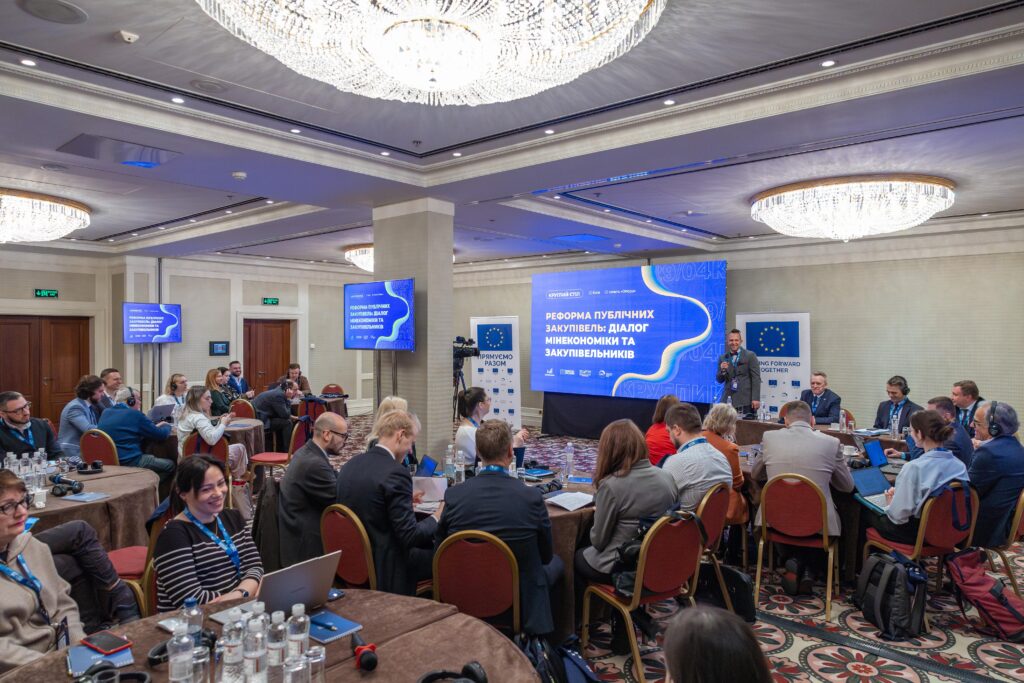
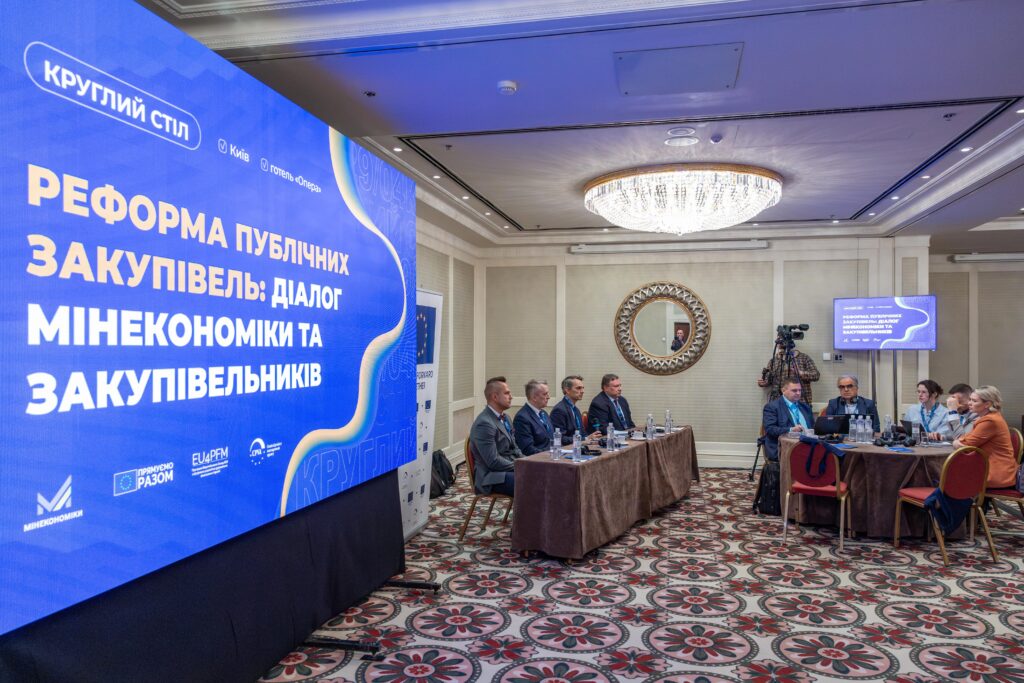
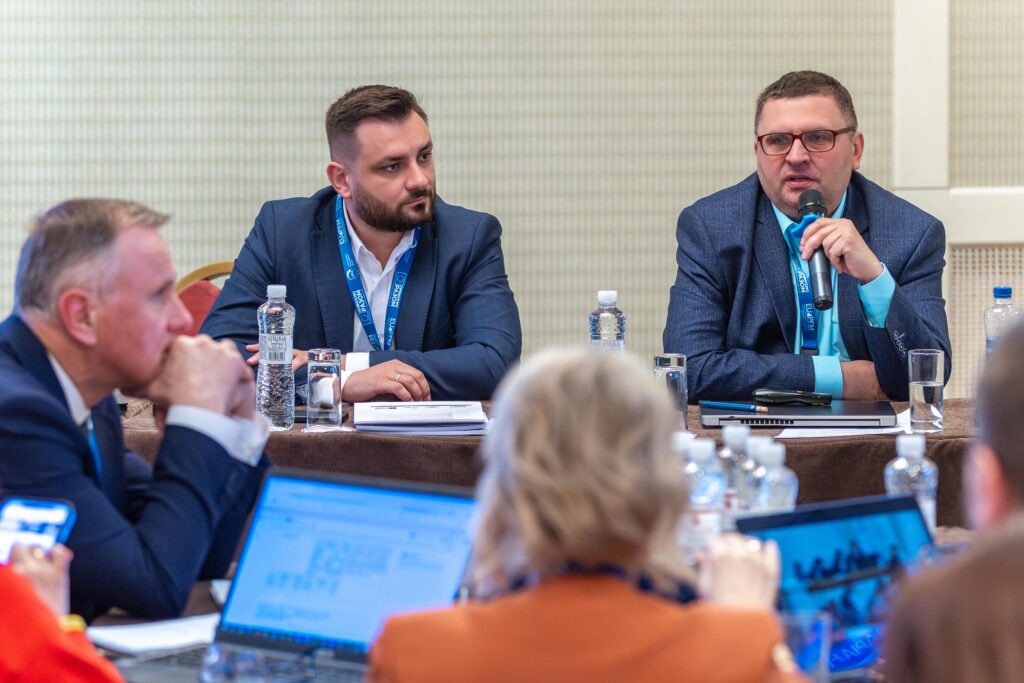
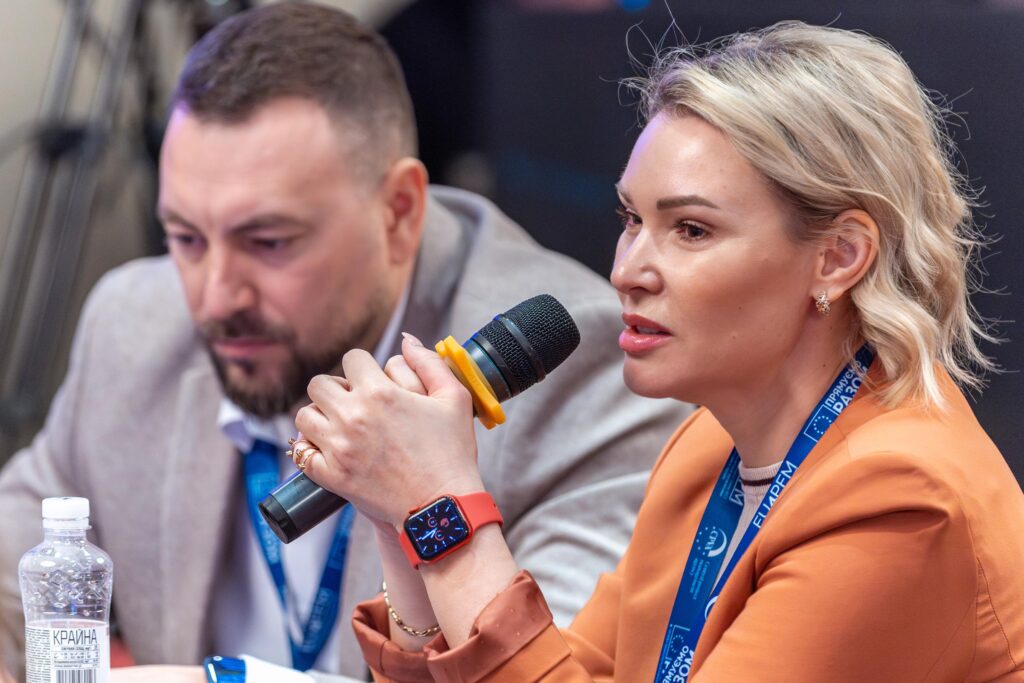
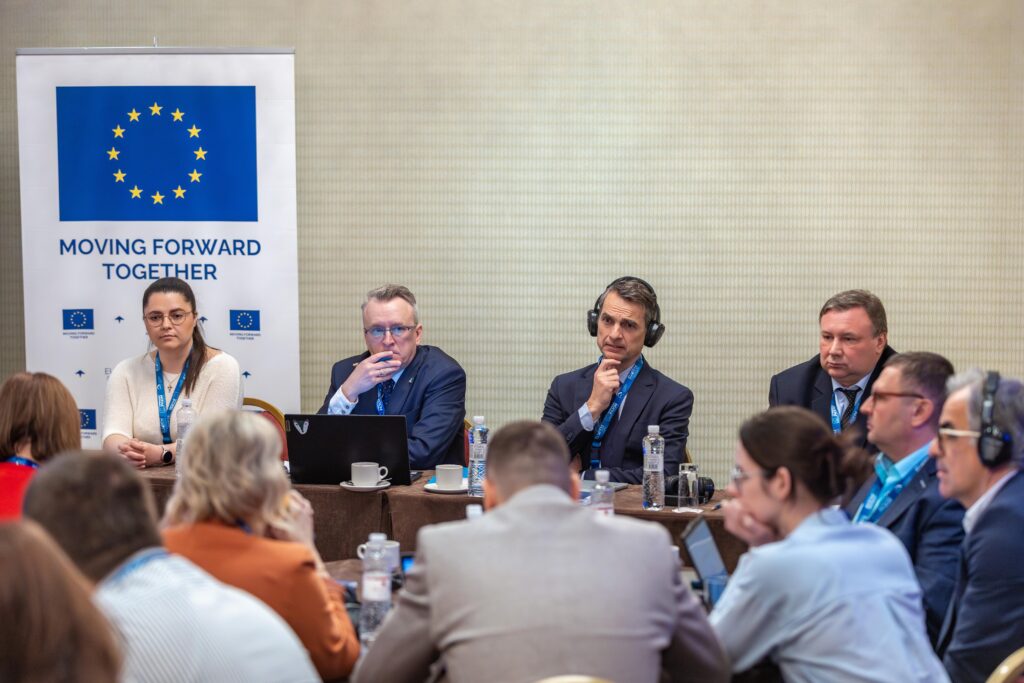
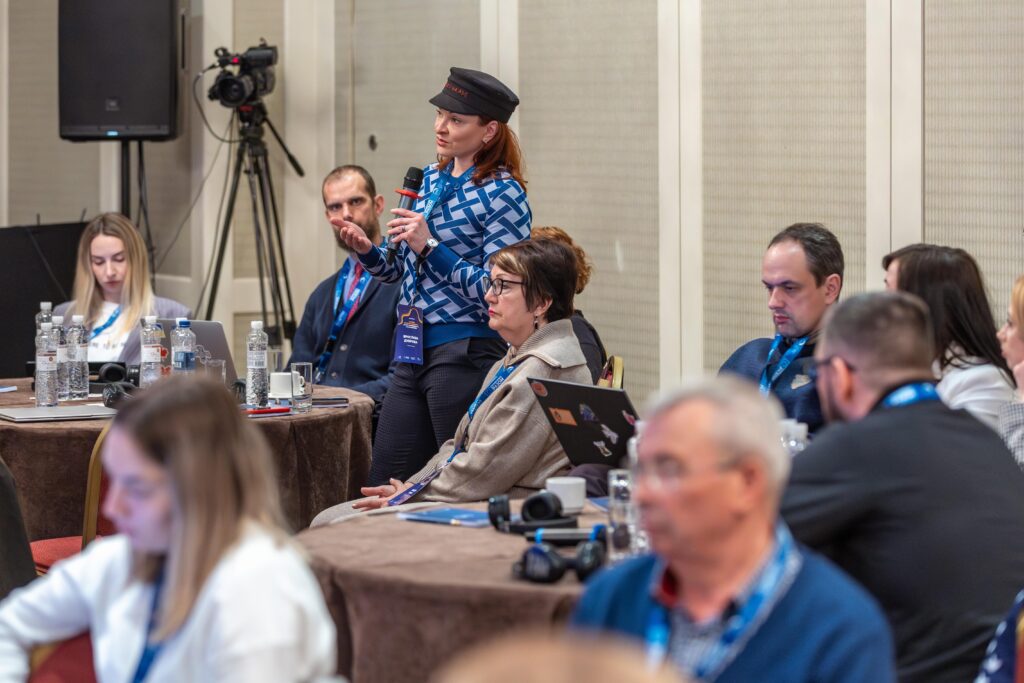
On April 29, EU4PFM Procurement Component held a roundtable discussion “Procurement Reform Talks: Ministry of Economy & Stakeholders”. The event marked the launch of a new series of EU4PFM roundtables planned for 2026–2027.
The aim of these roundtables is to bring together and highlight a range of perspectives within Ukraine’s public procurement ecosystem. This approach is expected to help address key differences, foster mutual understanding, and raise awareness of the EU accession process, its modalities, and the related public procurement reforms.
In addition to representatives from the Ministry of Economy, Environment and Agriculture and the EU4PFM Procurement Component expert team, the event gathered participants from the European Commission, the EU Delegation to Ukraine, the State Audit Service, the Antimonopoly Committee, the National Agency for Prevention of Corruption and other representatives from public procurement community.
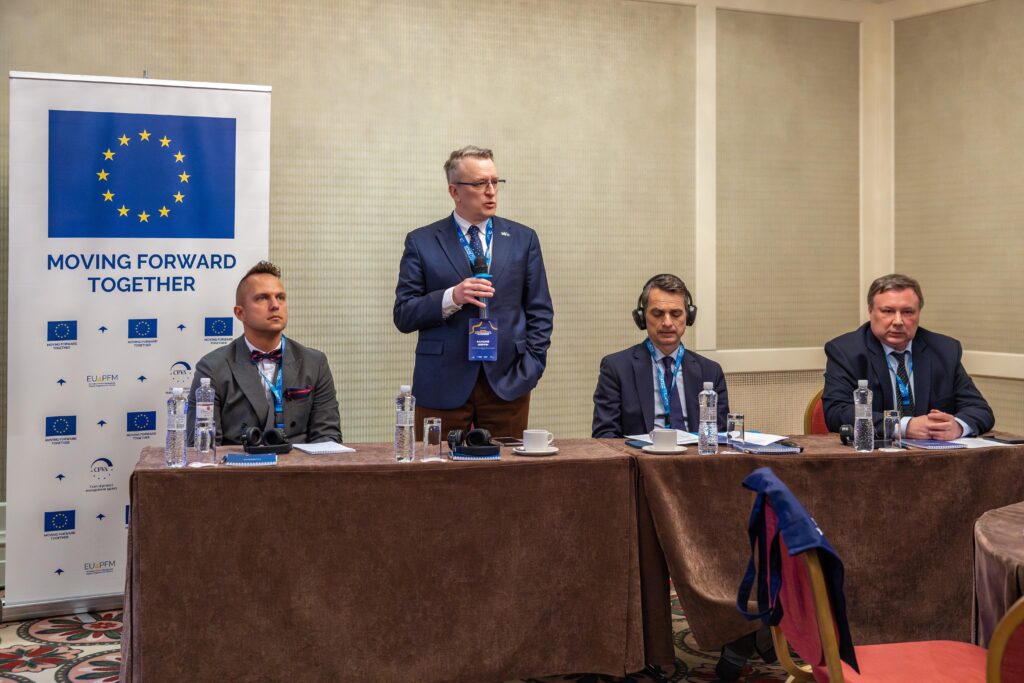
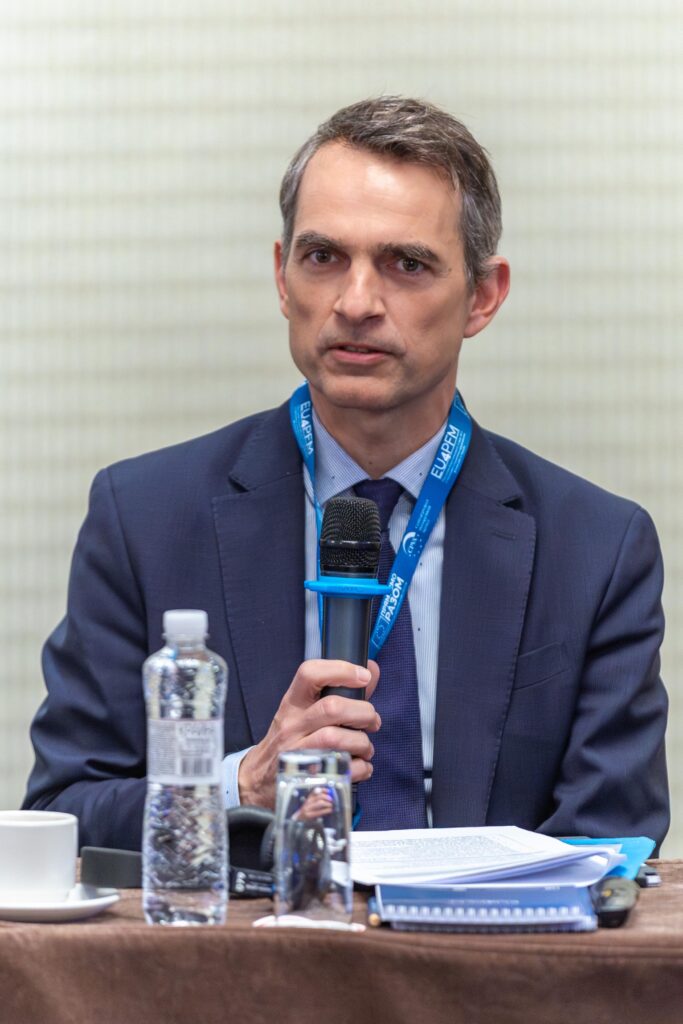
In the opening remarks, Peter Polajnar, Deputy Head of Unit, Directorate-General for Enlargement and Eastern Neighbourhood (DG ENEST) of the European Commission, emphasised the importance of ensuring value for money in the management of public funds:
“This lies at the core of our joint endeavour under this Project. Since the opening of negotiations sped up the approximation process, we have engaged in a more comprehensive review of the legislation and developed a more ambitious plan. We hope that the adoption of the Public Procurement Law by the Verkhovna Rada will provide new momentum, allowing us to return to the technical work of closing the remaining gaps. Once this stage is reached, we will move into the implementation phase. ”
Peter Polajnar said that EU accession process requires not only legal alignment, but also a strong track record of implementation, as well as integrity within the institutions responsible for enforcement. It is therefore a highly complex benchmark that encompasses all aspects of the public procurement system.
“I very much welcome that today’s workshop brings together all stakeholders responsible for this final stage of implementing public procurement legislation. To support this process, we will continue our dialogue with you and provide substantial technical assistance”, added Mr Polajnar.
Participants discussed:
- Public Procurement Reform Strategy
- development of professionalisation and methodological support of the authorised body
- legislative developments in the public procurement sector
- perspectives on the next steps in public procurement reform.
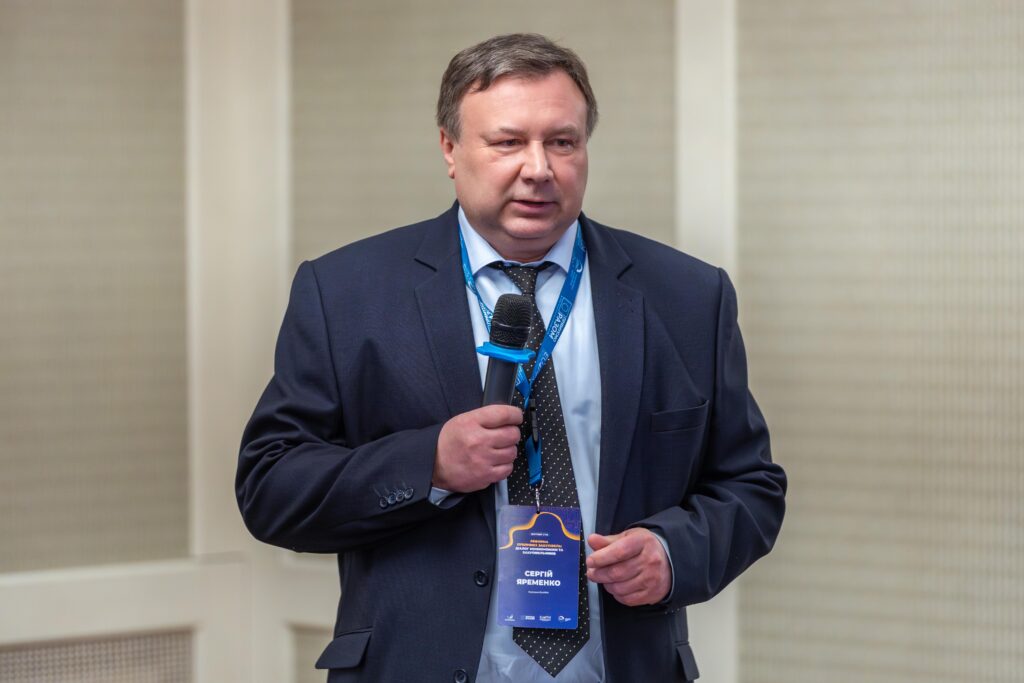
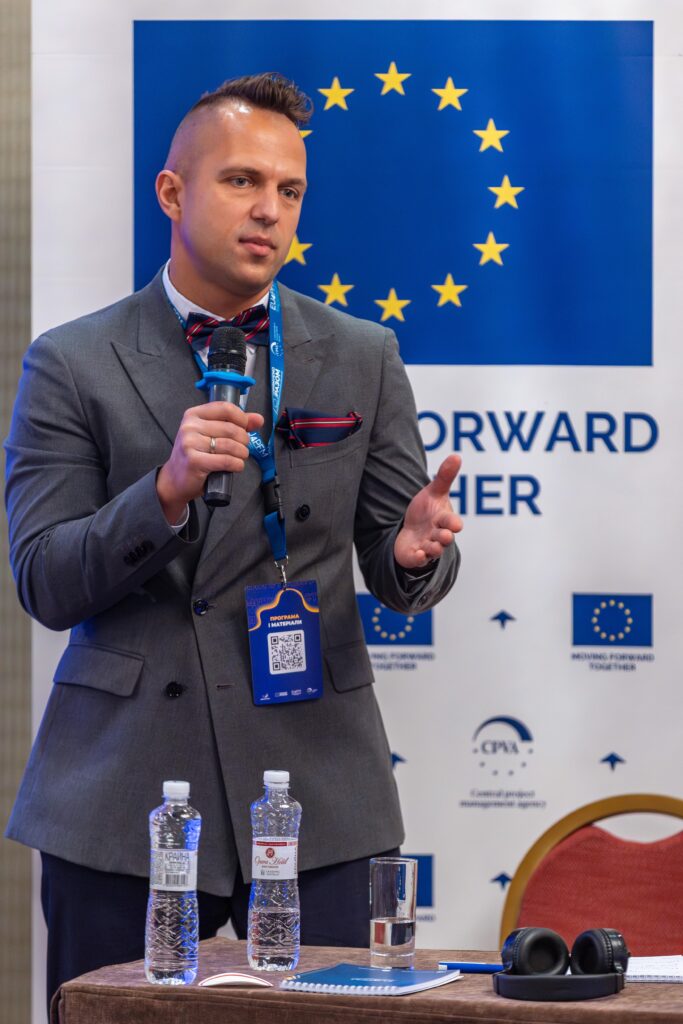
Regarding the latter, Eriks Mezalis, Team Leader of the EU4PFM Public Procurement Component, outlined the key directions of the Component’s work in advancing public procurement reform. He presented the Project’s position on exemptions under the Public Procurement Law and also commented on Utilities procurement, as well as recent legislative developments in the areas of Public-Private Partnerships and Concessions. In particular, he highlighted the need for an additional round of legislative updates to make the system more effective, ensure full alignment with EU requirements, and attract investors.
Turning to practical implementation, Mr Mezalis addressed electronic procurement procedures and centralised procurement:
“As soon as the Public Procurement Law is adopted, we will work closely with our colleagues from State Enterprise Prozorro to introduce new procedures and tools within the electronic procurement system. As regards centralisation, central purchasing bodies at the state level in Ukraine are already strong and highly capable. However, at the regional and local levels, such bodies remain underrepresented. In this context, we, as a Project, support the establishment of an association of local and regional central purchasing bodies.”
The event contributed to open and constructive dialogue among stakeholders, enabling them to address complex issues, exchange views, and explore possible solutions and next steps of public procurement reform.