Pilot project on internal control reaches a new milestone
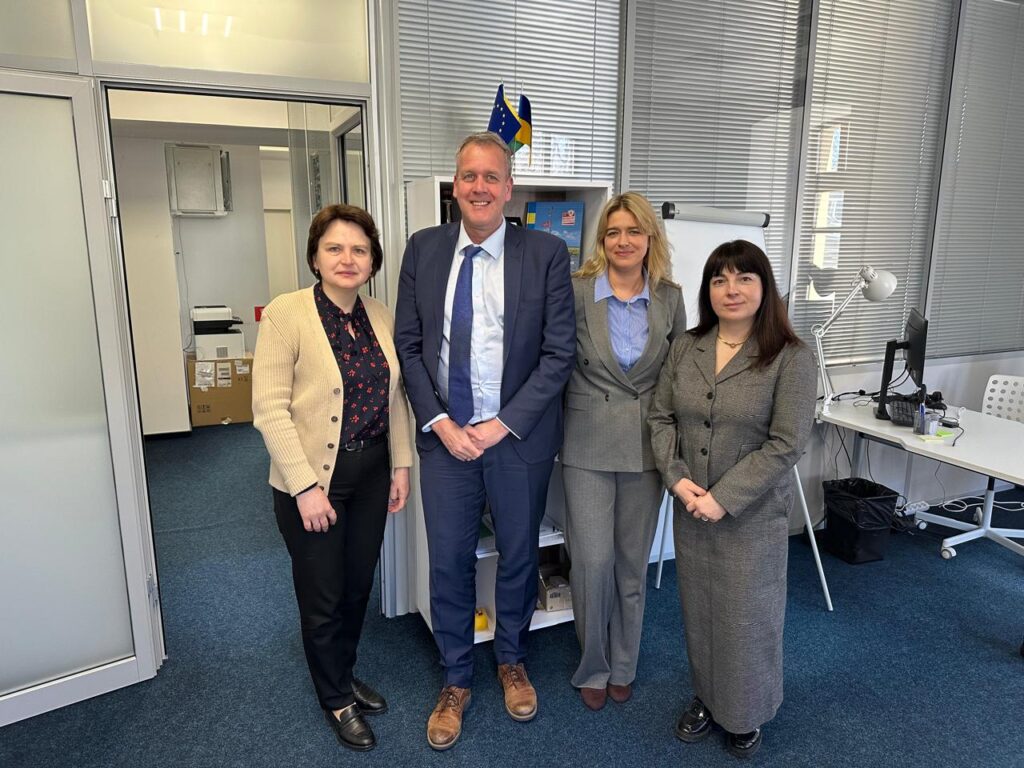
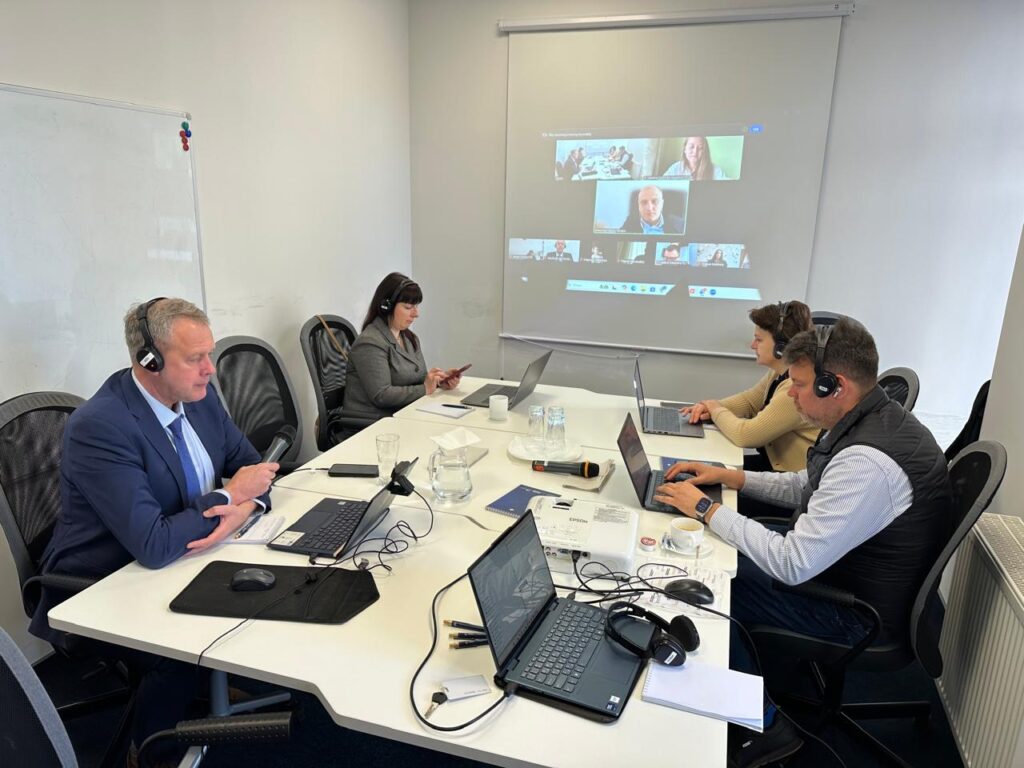
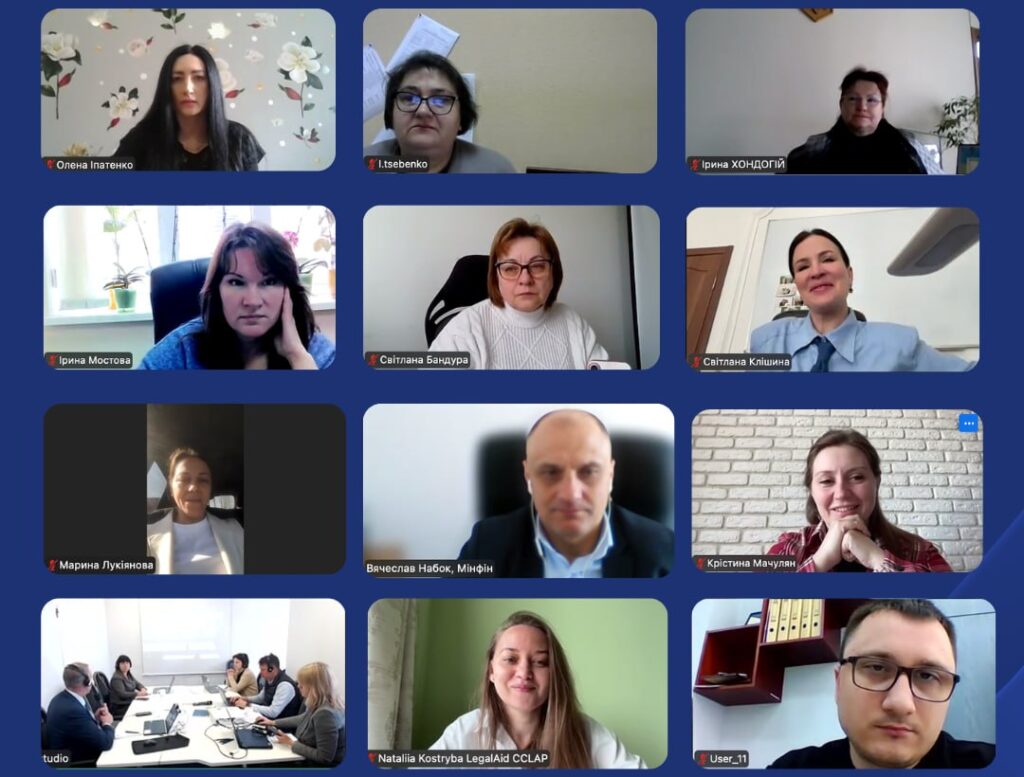
EU4PFM experts met with representatives of the Ministry of Finance, Ministry of Justice, the Coordination Centre for Legal Aid Provision, and its Regional Centres to mark another milestone in the pilot project aimed at strengthening internal control in the free legal aid system.
Throughout the initiative, EU4PFM experts have acted as facilitators, supporting improvements across key elements of internal control. This includes risk management, the adequacy of control mechanisms, and cooperation between internal audit and internal control functions within the Coordination Centre for Legal Aid Provision, which is the pilot institution.
With the project now in its active phase, the meeting provided an opportunity to take stock of progress and reflect on lessons learned so far. The recent session focused on the risk management framework, as well as on the pilot’s general progress. EU4PFM experts provided practical support in improving the institution’s risk registers at both strategic and operational levels.
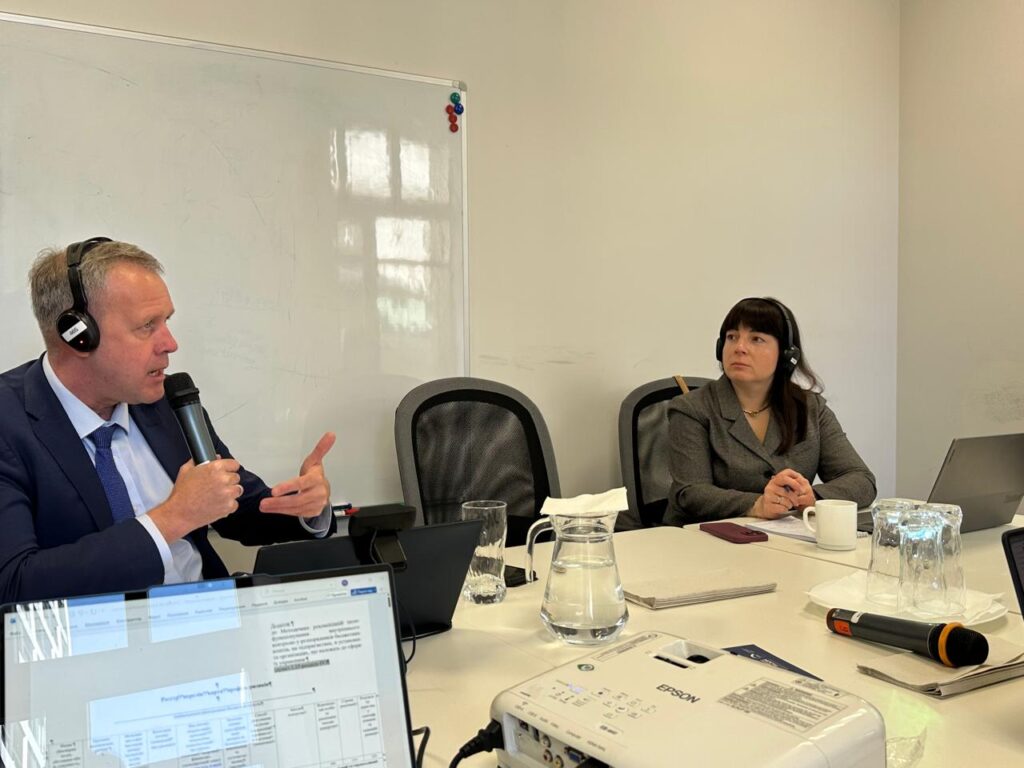
During the session, experts addressed a series of questions encountered along the way. Representatives of the Coordination Centre shared their experience and highlighted key lessons, including the importance of distinguishing between risks and problems, and adopting a mindset that recognises risk management as dealing with uncertainty rather than existing issues.
As noted by Manfred van Kesteren, EU4PFM Expert on Public Internal Financial Control, risks are not about the present but about potential future events that may affect the achievement of objectives. In risk management theory, such events can be both negative and positive. While negative events are typically referred to as risks, positive ones represent opportunities. Both, however, are factors that may influence strategic and operational goals. Existing problems, such as staff shortages or limited resources, are not risks themselves but may act as triggers for future risks.
The partners expressed appreciation for the constructive cooperation and the progress achieved so far: “It starts with commitment, and together we have made solid progress. The cooperation has been very positive, the team highly motivated, and you are already beginning to apply a risk-based approach to your key processes,” said Manfred van Kesteren.
What’s next?
The next steps will focus on preparing a comprehensive report outlining the pilot’s results and lessons learned. This will support the Ministry of Finance in shaping further policy on internal control, with the potential to scale these practices across the public sector in Ukraine.